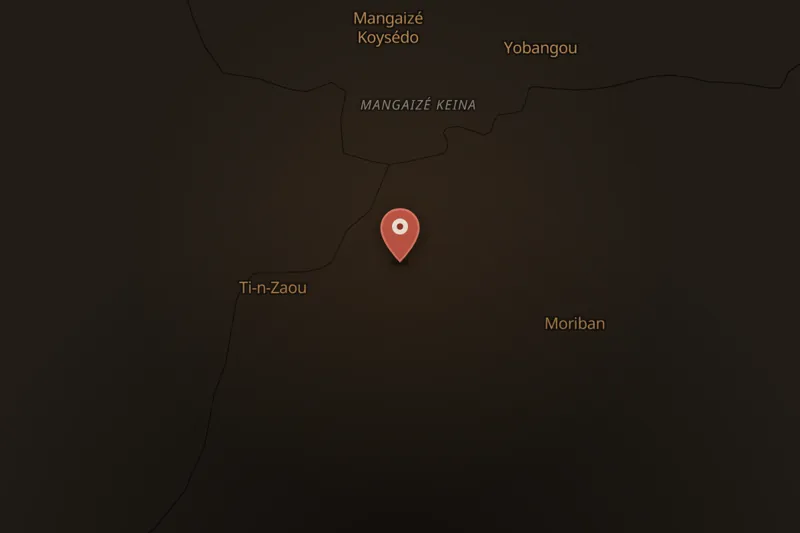
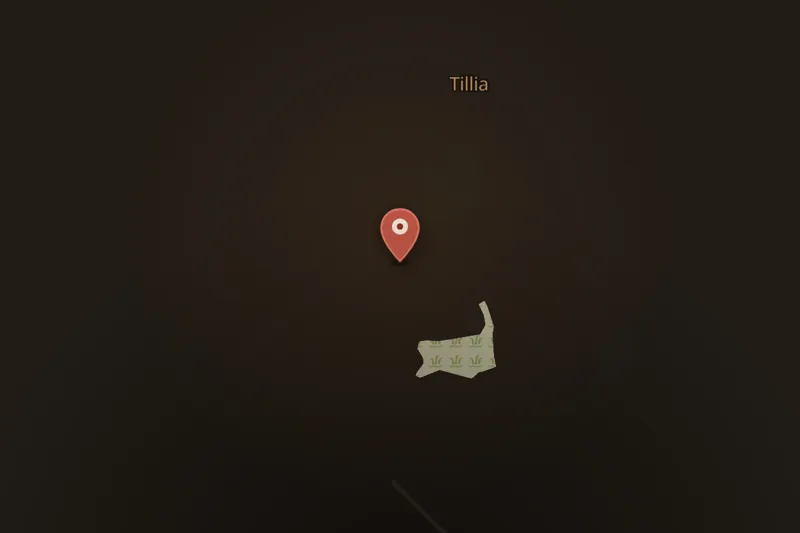
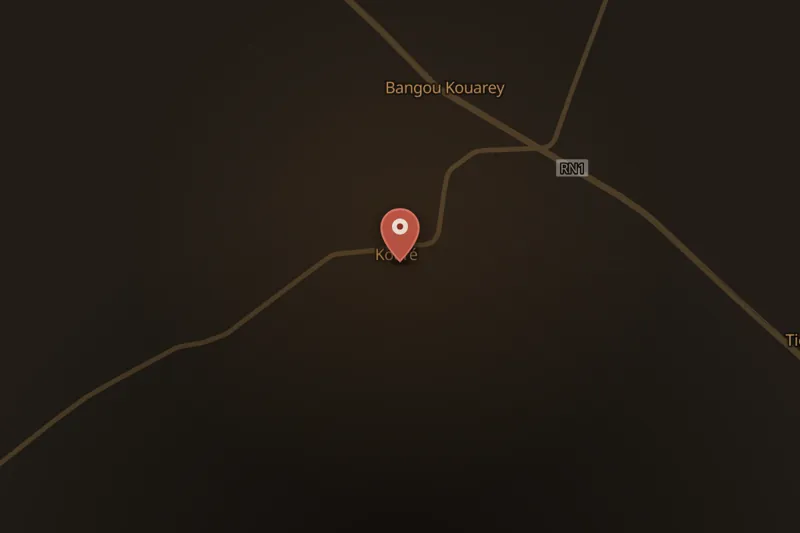
On 9 August 2020, a mass shooting occurred near the town of Kouré, in Kollo Department, Tillabéri Region, western Niger. The attack took place around 11:30 a.m. local time (10:30 GMT), approximately six kilometres east of Kouré, near a wildlife park known for hosting some of the last West African giraffes and popular with tourists.
At least eight civilians were killed. Two victims were Nigerien nationals: one served as president of the park's guides and the other worked as the group's driver; both were aged 50. The remaining six victims were French nationals, all aid workers between the ages of 25 and 30. According to the regional governor, the attackers arrived on motorcycles through the bush and waited for the tourist group to arrive before opening fire. Seven victims were shot dead at the scene, while one French woman who initially escaped the attack was later kidnapped and killed. An empty magazine was recovered at the scene. The Islamic State claimed responsibility for the attack.
The shooting occurred against a backdrop of prolonged instability in Tillabéri Region, which borders Mali and Burkina Faso and has served as a hideout for various Sahel jihadist groups, including the Islamic State in the Greater Sahara (ISGS). Since 2018, such groups have expanded their presence across the Sahel, contributing to the deaths of hundreds of military personnel and civilians in a series of attacks. In response, security measures in the region were strengthened, including construction of a new U.S. airbase, and the Nigerien government restricted motorcycle use starting in January 2019 as a countermeasure against militant mobility. Despite these efforts, parts of Tillabéri and neighboring Tahoua Region remained under a state of emergency at the time of the attack, and the French government had warned against travel to large parts of Niger.
The Kouré shooting followed a separate series of attacks in the same region in May 2020, underscoring the ongoing security challenges facing the area. As of the available reporting, no individuals have been publicly named as charged, convicted, or otherwise identified as suspects in connection with the attack; responsibility has been claimed by the Islamic State as an organization rather than attributed to named individuals.


 Credit: John CornynPublic domainSourceSOLVEDListen