Background
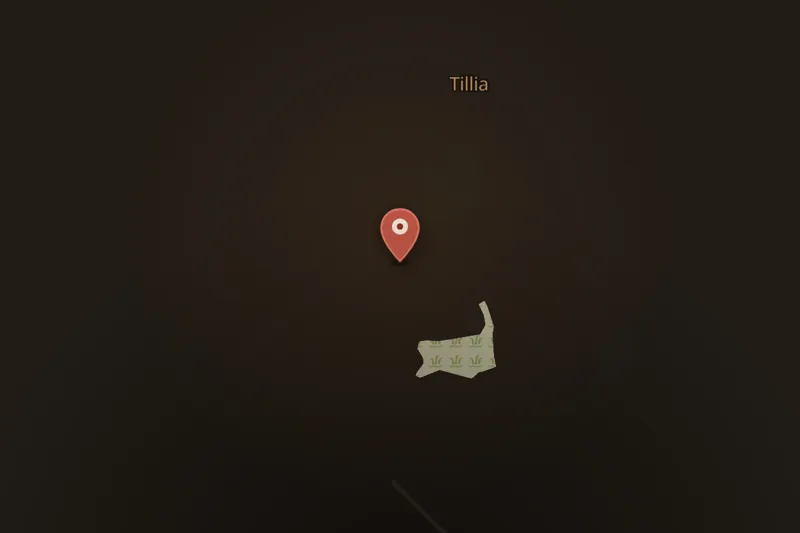
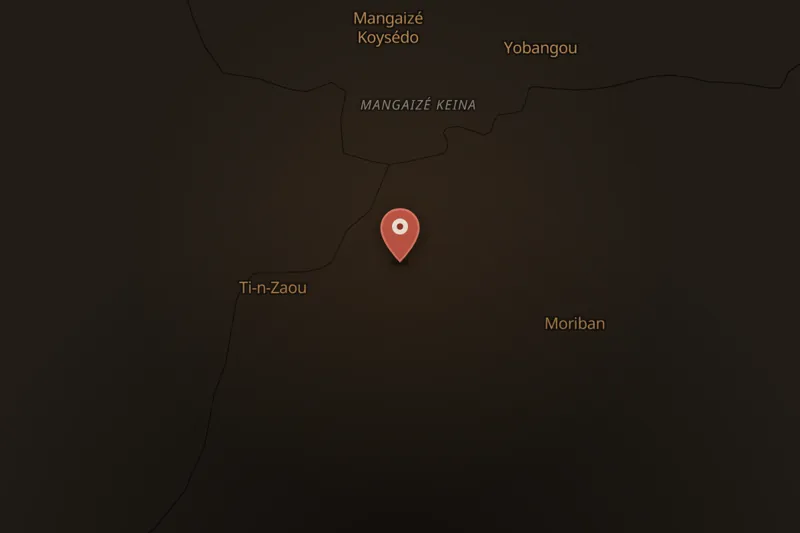
The Islamic State in the Greater Sahara (ISGS) has operated in Niger's Tillaberi region, where the villages of Tchoma Bangou and Zaroumdareye are located. In an effort to curb jihadist attacks on civilians and Nigerien forces, authorities banned motorbike travel throughout Tillaberi in January 2020, a common means of transport used by militants. Despite this, attacks continued in the region, including an ambush that killed seven Nigerien soldiers on December 21, 2020, and a separate massacre of 34 civilians in Toumour.
According to former Nigerien minister and Tillaberi native Issoufou Issaka, the attacks on Tchoma Bangou and Zaroumdareye were reprisals for the lynching of two jihadists by villagers on December 15, 2020; the jihadists had come to the villages to collect taxes. ISGS subsequently declared the villages "enemy settlements," and abducted and killed the chief of Tchoumbangou. The villages' residents are predominantly Zarma, an ethnic group engaged in conflict with the Fulani, who make up much of ISGS's membership in the region.
The Massacres
The attacks began around 11:00 a.m. local time on January 2, 2021, coinciding with the announcement of first-round results in Niger's 2020–21 general election. The attackers are believed to have crossed into Niger from Mali, splitting into columns of roughly 100 motorcycles to strike the two villages. One survivor described residents fleeing into their homes as the attack began, hearing only the sound of motorbikes outside. Fighters also targeted and burned granaries, leaving remaining residents unable to stay in the villages afterward.
In total, 76 people were killed in Tchoma Bangou and at least 30 in Zaroumdareye, including 17 children. Another 75 people were wounded; 26 were treated by the International Committee of the Red Cross, while others were transported to hospitals in Niamey and Ouallam. Nigerien soldiers and security forces (FDS) arrived only after the attackers and surviving residents had already left the area.
Aftermath
Nigerien Prime Minister Brigi Rafini led a delegation to the villages the weekend following the massacres. President Mahamadou Issoufou announced he would convene a security council meeting and declared three days of national mourning. Mohamed Bazoum, who had won the first round of the presidential election, condemned the massacres and pledged to continue fighting ISGS. French officials also condemned the attacks.
In the aftermath, an anonymous message circulated in Zarma online groups blaming Fulani people for the attacks and vowing revenge. ISGS claimed the massacres were retaliation for the growth of pro-government self-defense militias in the region.
Tchoma Bangou was attacked again on July 21, 2021, but this assault was repelled by Nigerien soldiers stationed in the village. Five civilians, four soldiers, and 40 ISGS fighters were reported killed in that clash.

 SOLVEDListen