
Solved case
Lachine massacre
On 5 August 1689, Mohawk warriors launched a surprise attack on the small French settlement of Lachine, New France, during the Beaver Wars, killing around 24 settlers and capturing more than 70 others.

Background
The Lachine massacre occurred amid decades of deteriorating relations between the French colonists of New France and the Iroquois, particularly the Mohawk, driven by competition over the fur trade, French incursions into Iroquois territory, and cultural conflict stemming from French Jesuit missionary efforts. French military expeditions in 1666 and a 1687 campaign by the Marquis de Denonville against the Seneca destroyed large stores of Iroquois corn, contributing to Iroquois grievances. The outbreak of King William's War in 1689 between England and France was fought largely by proxy in North America, with English colonists in the Province of New York encouraging Iroquois attacks on undefended French settlements as a way to pressure New France.
The Attack
On the rainy morning of 5 August 1689, a large force of Mohawk warriors — reported as roughly 1,500 — crossed Lake Saint-Louis by boat and landed on the south shore of the Island of Montreal, launching a surprise raid on the settlement of Lachine, which had about 375 inhabitants. While residents slept, the attackers surrounded homes, broke in, and dragged colonists outside; some colonists barricaded themselves inside buildings, which the attackers then set on fire. Accounts vary considerably on casualties: a 1992 source put the toll at 24 French killed and more than 70 taken prisoner; a 19th-century account claimed over 200 killed and 120 taken prisoner; and other sources, including Encyclopædia Britannica, have cited a toll of 250 dead. Historian Charles Colby, examining Catholic parish registers from before and after the attack, arrived at a death toll of 24. French Catholic accounts, including that of Sulpician superior François Vachon de Belmont, describe torture and cannibalism inflicted on prisoners, with surviving prisoners later reporting that 48 captives were tortured, burned, and eaten shortly after capture. French sources reported only three attackers were killed. No Iroquois written accounts of the attack survive, as Iroquois history of the event was preserved orally.
Aftermath
A survivor alerted a nearby French garrison, prompting the mobilization of roughly 200 soldiers under Daniel d'Auger de Subercase along with about 100 armed civilians. This force was recalled to Fort Rolland by order of Governor Denonville, who sought a diplomatic resolution rather than pursuit, despite having 700 soldiers available in Montreal. Sporadic, non-fatal skirmishes between French and Iroquois forces continued afterward. In February 1690, the French began peace negotiations with the Iroquois, exchanging captured natives for the start of talks. Denonville was recalled to France for unrelated matters, and Louis de Buade de Frontenac assumed the governorship of Montreal in October 1689, later launching retaliatory winter raids against English colonies, including the Schenectady massacre. Sustained peace efforts through the 1690s eventually culminated in the Montreal Treaty of 1701, under which the Iroquois agreed to remain neutral in future France–England conflicts.
Historical Accounts
Surviving written records of the massacre come primarily from French survivors and Catholic missionaries; no Iroquois-authored records exist. Historians, including John A. Dickinson, have noted that contemporary French sources may have exaggerated the frequency and severity of Iroquois violence, though the threat and resulting fear were genuine. Because all documented accounts originate from the French side, some details — such as claims of cannibalism and forced infanticide — may be subject to exaggeration, though ritual torture was a documented practice among Iroquois warfare traditions at the time.
Key facts
- Victims
- On file
- Date
- 1689
- Location
- Lachine, New France (present-day Montreal, Quebec)
- Case status
- solved
Case timeline
1666
French expeditions under Courcelles and Tracy burn Mohawk villages and winter corn supplies in retaliation for attacks on French fur fleets.
1686
Treaty of Whitehall signed between France and England, intended to keep European conflicts from disrupting colonial peace.
1687
Marquis de Denonville leads an invasion of Seneca territory, destroying an estimated 1,200,000 bushels of corn.
1689
England and France declare war on each other, beginning King William's War, fought largely by proxy in North America.
1689-08-05
Mohawk warriors launch a surprise attack on the settlement of Lachine, killing around 24 French colonists and capturing more than 70.
1689-10
Louis de Buade de Frontenac takes over as governor of Montreal after Denonville is recalled to France.
1690-02
The French begin peace negotiations with the Iroquois, exchanging captured natives for the start of talks.
1690
Frontenac launches winter raids against English colonies, including the Schenectady massacre.
1701
The Montreal Treaty of 1701 is signed, with the Iroquois promising neutrality in any future France–England conflict.
Best coverage
No coverage has been attached to this file yet.
People
No public people records are attached yet.
Places
Common questions
- What happened to the victim?
- On 5 August 1689, Mohawk warriors launched a surprise attack on the small French settlement of Lachine, New France, during the Beaver Wars, killing around 24 settlers and capturing more than 70 others.
- Where did the massacre happen?
- Lachine, New France (present-day Montreal, Quebec).
- What is the current status of the case?
- Status: solved.
Related cases
View all cases
2006 Dawson College shooting
Dawson College, Montreal, Quebec, Canada
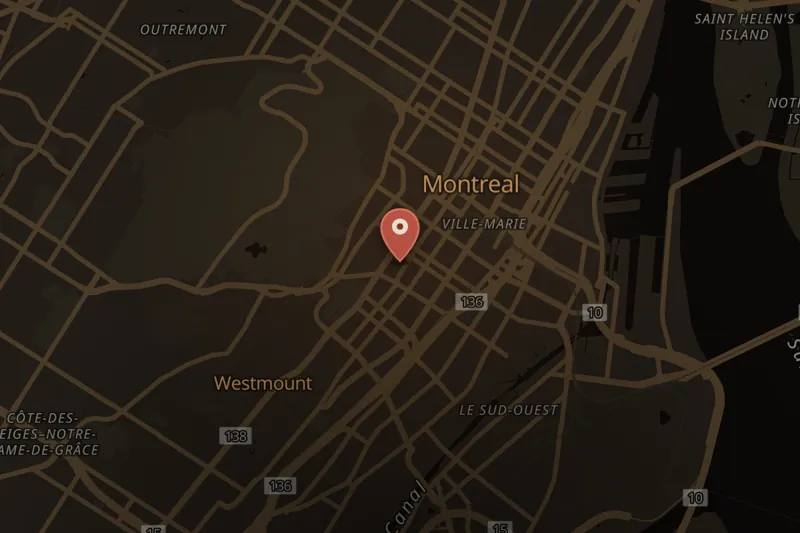
Concordia University shooting (1992)
Henry F. Hall Building, Concordia University, Montreal, Quebec, Canada
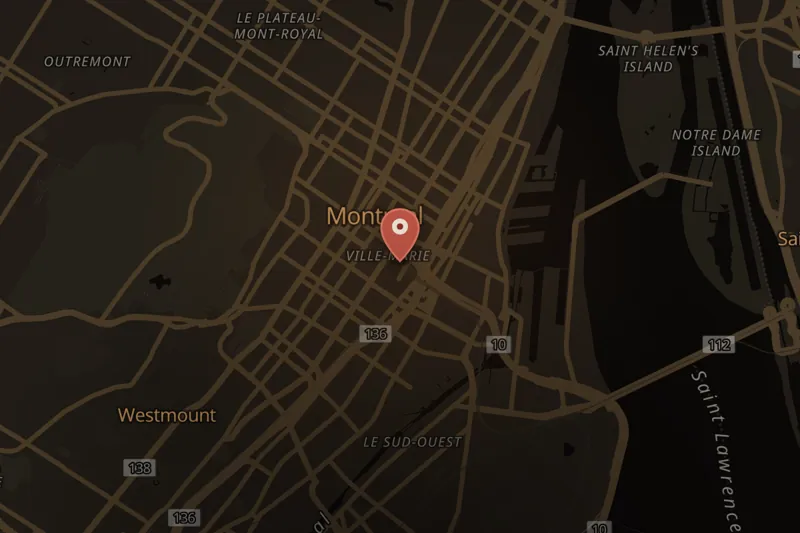
1984 Montreal Central Station Bombing
Montreal Central Station, Montreal, Quebec, Canada
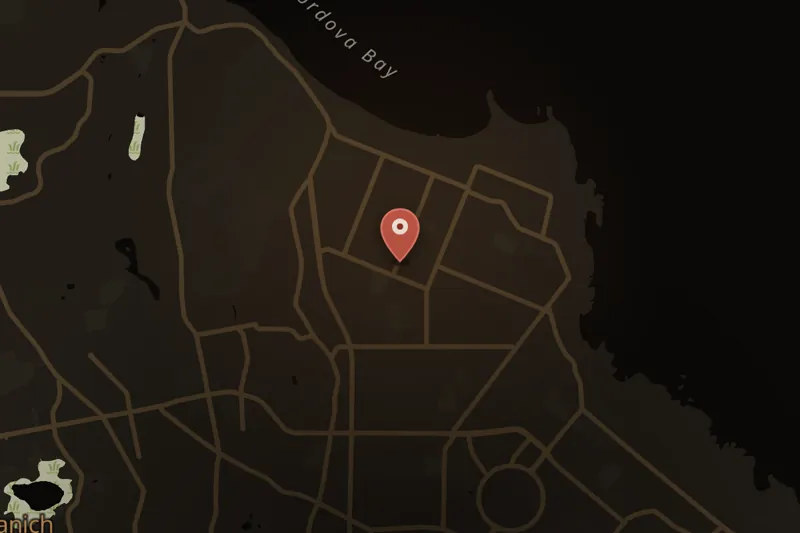
Killing of Lindsay Buziak
Saanich, British Columbia, Canada

Disappearance of Emma Fillipoff
Victoria, British Columbia, Canada
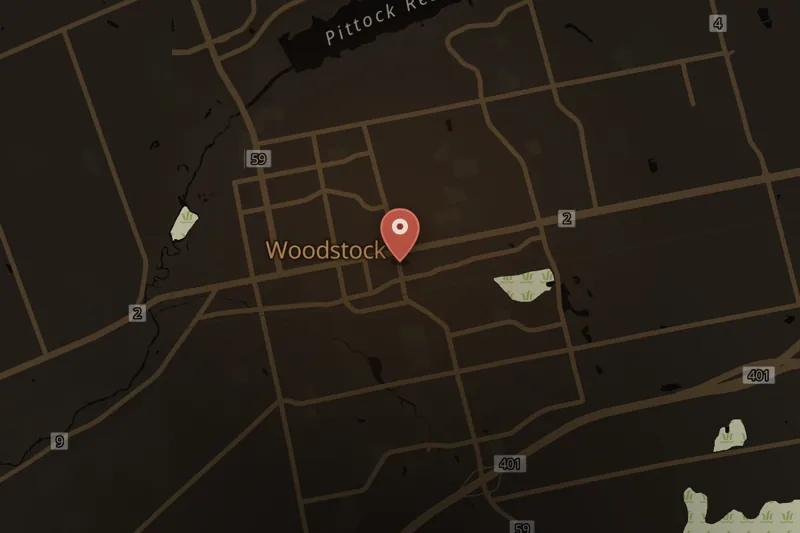
Murder of Tori Stafford
Woodstock, Ontario, Canada (abduction site)
Sources
- ENCYCLOPEDICLachine massacreWikipedia · 2026-07-10
- PRESSContemporaneous coverage — CBC NewsCBC News · 2026-07-10
When a file you follow changes — a new development, a correction, fresh coverage — the Dispatch is how you hear about it.
The Casepin Dispatch
A calm weekly briefing from the archive — one case worth understanding, meaningful updates to files you follow, and the best new coverage. You’ll also get the one-time note when the apps land. No gore, no rumor, no drip.