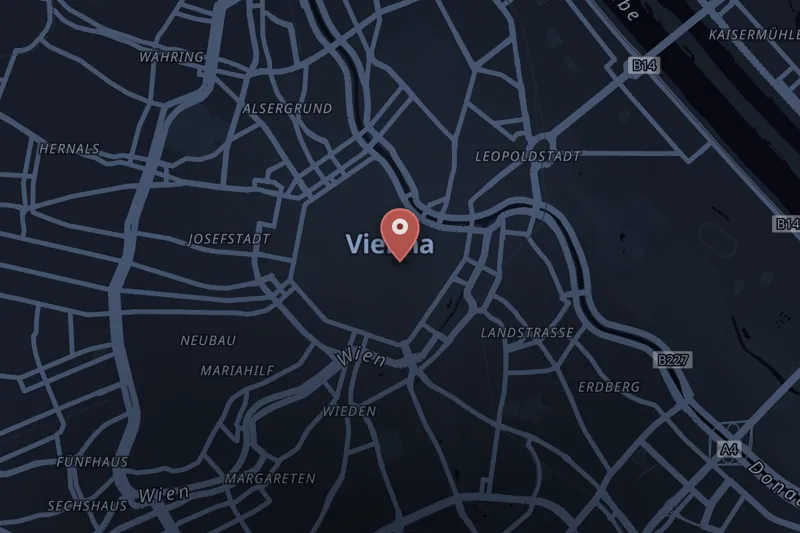
Between 1983 and 1989, four women employed as nurse's aides at the Geriatriezentrum am Wienerwald, a geriatric hospital in the Lainz district of Vienna, Austria, killed dozens of patients under their care. The perpetrators — Waltraud Wagner, Maria Gruber, Irene Leidolf, and Stephanija Meyer — used overdoses of morphine or forced water into victims' lungs to carry out the killings.
Wagner, then 23 years old, killed the first patient with a morphine overdose in 1983. In doing so she found that she enjoyed the feeling of controlling whether a patient lived or died. She went on to recruit two younger aides, 19-year-old Gruber and 21-year-old Leidolf, and eventually 43-year-old Meyer, who became known within the group as its "house mother." Together the four developed their own method of killing: one aide would hold a patient's head and pinch the patient's nose shut while another poured water into the patient's mouth until the patient drowned in bed. Because many elderly patients already had fluid in their lungs from unrelated conditions, the method was difficult to detect as murder. The patients the group targeted were frail, but many were not terminally ill.
A suspicious death in 1988 drew scrutiny from investigators, who later said hospital staff met their inquiries with "a wall of silence." The group was eventually caught after a doctor overheard members discussing a recent killing at a local tavern. In total, the four aides confessed to 49 murders committed over six years, though investigators believed the true number could have been as high as 200.
In 1991, Wagner was convicted of 15 murders, 17 attempted murders, and two counts of assault, and was sentenced to life in prison. Leidolf was also sentenced to life in prison after being convicted of five murders. Meyer and Gruber were convicted on manslaughter and attempted-murder charges and received sentences of 20 years and 15 years, respectively.
By 2008, all four women had been released from prison. Meyer and Gruber had already been released several years earlier and had assumed new identities. In 2008, Austria's Justice Ministry announced that Wagner and Leidolf would also be released, citing good behavior. The releases caused public anger in Austria: although most Austrians opposed capital punishment, many felt the women had not served enough time in prison given the scale of the killings.

 Credit: PriwoCC BY-SA 3.0SourceSOLVEDListen