Active case
Llaguno Overpass events
Documents violence · ongoing investigation — written to inform, not to shock.

On 11 April 2002, a large opposition march in Caracas, organized amid a general strike against President Hugo Chávez, moved from Parque del Este toward the headquarters of the state oil company PDVSA and then toward Miraflores Presidential Palace. As demonstrators approached the palace, the National Guard fired tear gas to disperse them, and marchers rerouted along Baralt Avenue near the Llaguno Overpass, where groups of Chávez supporters (Bolivarian Circles) had gathered. Clashes broke out involving rocks, Molotov cocktails, tear gas, and eventually gunfire. According to medical staff at Vargas Hospital, opposition marchers arrived first, some shot in the back while fleeing and others wounded by military-caliber rifle rounds associated with National Guard weapons; pro-Chávez supporters were treated afterward. Nineteen people died, most between 3:20 pm and 3:55 pm, and more than 150 were injured.
Responsibility for the killings has never been conclusively established and remains contested. The opposition version attributes blame to Chávez and his supporters, citing a Venevisión camera that recorded people firing handguns from the pro-Chávez counter-march on the overpass. Senior military officers, led by Vice Admiral Héctor Ramírez, publicly blamed Chávez for the deaths in a broadcast video, though the timing and circumstances of that recording are disputed by journalists who were present. Witnesses also described gunfire from the Ausonia and Eden hotels; ten suspects were detained, but all were released for lack of sufficient evidence linking them to the shootings. A pro-Chávez mayor was accused by a military officer of directing gunfire at demonstrators, an allegation he denied. Competing documentary films have offered conflicting reconstructions of the timeline and origin of gunfire, with disputes over the authenticity and interpretation of key camera footage.
In the aftermath, the military high command refused to implement a contingency public-order plan requested by Chávez and demanded his resignation; he was briefly arrested by the military before returning to power on 14 April. Following his return, cleanup crews organized under a pro-Chávez mayor rapidly repaired the street and removed physical evidence, including bullets and shell casings, within five days, and the government replaced investigators handling the case.
Four men filmed shooting from the overpass — Rafael Cabrices, Richard Peñalver, Henry Atencio, and Nicolás Rivera — were identified as pro-Chávez activists, arrested, and held for about a year awaiting trial, but the charges against them were dropped before trial began. No one has been convicted in connection with the deaths. The events remain a contested episode central to competing narratives about the broader political crisis and the coup attempt that followed.

Key facts
- Victims
- Jesús Arellano
- Date
- 2002
- Location
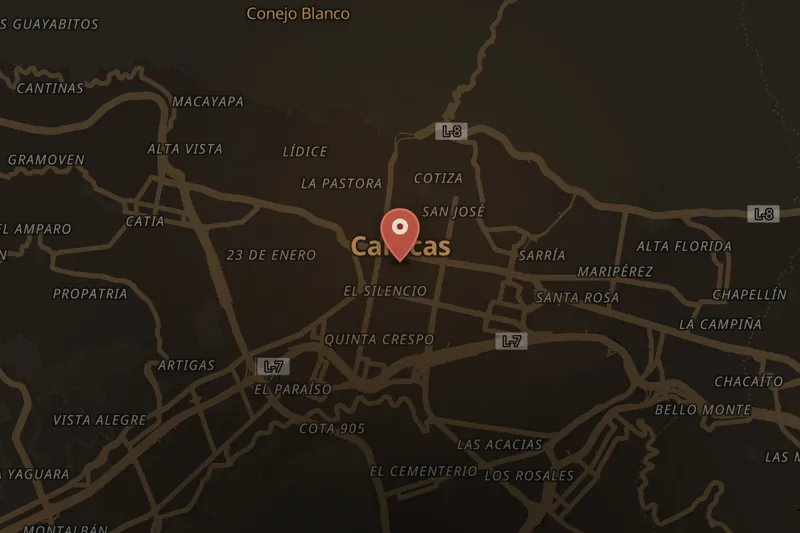
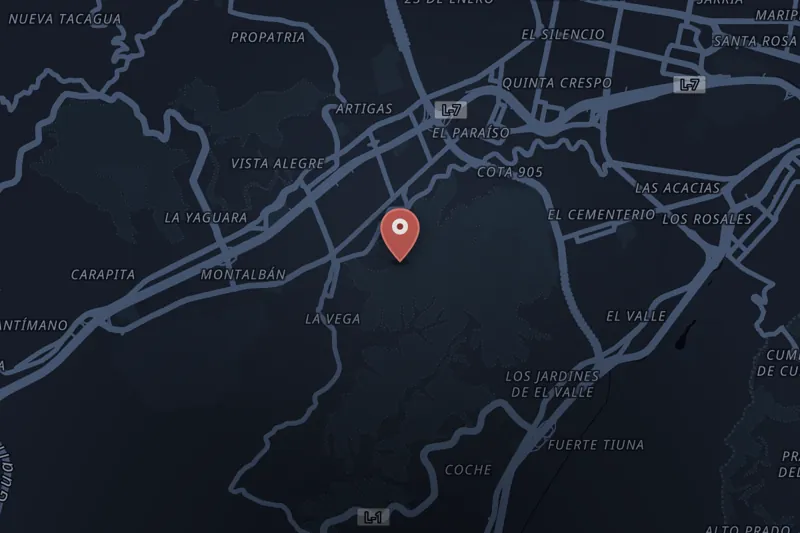
- Llaguno Overpass, near Miraflores Palace, Caracas, Venezuela
- Case status
- unsolved
Case timeline
2002-04-10
Labor and business leaders hold speeches at CTV headquarters denouncing Chávez and announce a march for the following day.
2002-04-11
Mass march toward PDVSA headquarters and then Miraflores Palace; National Guard uses tear gas; gunfire erupts near the Llaguno Overpass on Baralt Avenue, leaving 19 dead and about 127-150 injured, most deaths occurring between 3:20 pm and 3:55 pm.
2002-04-12
Seven detained suspects, identified after registering under real names at the Ausonia Hotel, are handed to the Prosecutor's Office; only one is found carrying an unfired weapon.
2002-04-14
Chávez returns to power; cleanup crews under a pro-Chávez mayor begin repairing Baralt Avenue.
2002-04-20
Baralt Avenue reopens after physical evidence at the scene had been collected and destroyed within five days.
2002-05-15
Head of the Casa Militar presents a report to the National Assembly on the detentions of suspected snipers.
2003
Documentary The Revolution Will Not Be Televised is released, disputing claims that pro-Chávez gunmen fired on opposition protesters from the bridge.
2004
Documentary Puente Llaguno: Claves de una Masacre is released, presenting a competing timeline of the shootings.
2005-08
Rafael Cabrices, one of the men filmed shooting from the overpass, dies of a heart attack.
2017-05
Henry Atencio, another of the identified men, dies.
Best coverage
No approved coverage links are attached yet.
People
Henry Atencio
CHARGEDIdentified as a pro-Chávez activist filmed shooting from the Llaguno Overpass; arrested and jailed for about a year awaiting trial, but charges were dropped before trial began.
citation on file
Jesús Arellano
VICTIMOpposition demonstrator reported killed near the overpass just before 2:30 pm on 11 April 2002.
citation on file
Rafael Cabrices
CHARGEDIdentified as a pro-Chávez activist filmed shooting from the Llaguno Overpass; arrested and jailed for about a year awaiting trial, but charges were dropped before trial began.
citation on file
Nicolás Rivera
CHARGEDIdentified as a pro-Chávez activist filmed shooting from the Llaguno Overpass; arrested and jailed for about a year awaiting trial, but charges were dropped before trial began.
citation on file
Richard Peñalver
CHARGEDIdentified as a pro-Chávez activist filmed shooting from the Llaguno Overpass; arrested and jailed for about a year awaiting trial, but charges were dropped before trial began.
citation on file
Places
Common questions
- What happened to the victim?
- On 11 April 2002, gunfire near the Llaguno Overpass in central Caracas during a mass march toward Miraflores Palace left 19 people dead and about 127 injured, an event that preceded the 2002 Venezuelan coup attempt. Responsibility for the shootings remains disputed, and no one was ultimately convicted.
- Where did the crime happen?
- Llaguno Overpass, near Miraflores Palace, Caracas, Venezuela.
- What is the current status of the case?
- Status: unsolved.
Sources
- Llaguno Overpass eventswikipedia · Wikipedia · 2026-07-07
- Contemporaneous coverage — state.govnews · state.gov · 2026-07-07
- Contemporaneous coverage — The New York Timesnews · The New York Times · 2026-07-07