Casepin
Back to cases

Case file

Ludlow Massacre

SOLVED1914Ludlow tent colony site, Ludlow, Colorado3 SOURCESUPDATED JUL 2026
Illustrative

The Ludlow Massacre occurred on April 20, 1914, during the Colorado Coalfield War, a strike that began in September 1913 when the United Mine Workers of America called a general strike against Colorado Fuel and Iron Company (CF&I) and other coal operators over unsafe conditions, unpaid "dead work," and lack of union recognition. Evicted from company housing, strikers and their families moved into union-organized tent colonies, including one at Ludlow housing roughly 1,200 people. Colorado Governor Elias M. Ammons deployed the Colorado National Guard in October 1913; Guard leadership was sympathetic to management, and tensions escalated through incidents such as the March 1914 destruction of the Forbes tent colony.

On the morning of April 20, 1914, following a dispute over a man allegedly held at the Ludlow camp, Guardsmen and mine guards took machine-gun and rifle positions around the colony while camp leader Louis Tikas met with Major Patrick J. Hamrock. Fighting broke out and continued through the day. By evening the camp was in flames, and militia forces entered and searched it. Tikas and two other captured men were later found shot dead; Tikas had been struck with a rifle butt by Lt. Karl Linderfelt and was shot in the back. During the battle, four women and eleven children sheltering in a pit beneath a tent were trapped when the tent caught fire; two women and all the children suffocated. Approximately 21 people died at Ludlow, primarily women and children, though contemporaneous reporting by Julia May Courtney cited higher figures. One militia private, reportedly named Martin, was also killed.

The massacre triggered the "Ten Day War," in which armed miners attacked mine facilities and guards across a 225-mile front from Trinidad to Louisville, Colorado. Overall estimates place the Colorado Coalfield War's death toll between roughly 69 and 199, with a commonly cited approximate total of 75. Federal troops sent by President Woodrow Wilson intervened on April 29, 1914, disarming both sides. The strike itself ended on December 10, 1914, without union recognition and with many strikers permanently replaced.

Of 408 strikers arrested, 332 were indicted for murder; only strike leader John R. Lawson was convicted, a verdict later overturned by the Colorado Supreme Court. Twenty-two National Guardsmen, including ten officers, were court-martialed; a military board found Lt. Linderfelt responsible for the deaths of Tikas and other strikers showing execution-style injuries, but he and all others were acquitted.

The event prompted a congressional investigation by the House Committee on Mines and Mining and a U.S. Commission on Industrial Relations inquiry, both of which influenced later child-labor and eight-hour workday legislation. John D. Rockefeller Jr., a part-owner of CF&I, was widely blamed for the massacre. The Ludlow tent colony site, owned by the United Mine Workers of America, was listed on the National Register of Historic Places in 1985 and designated a National Historic Landmark on January 16, 2009.

Key facts

Victims
Louis Tikas
Date
1914
Location
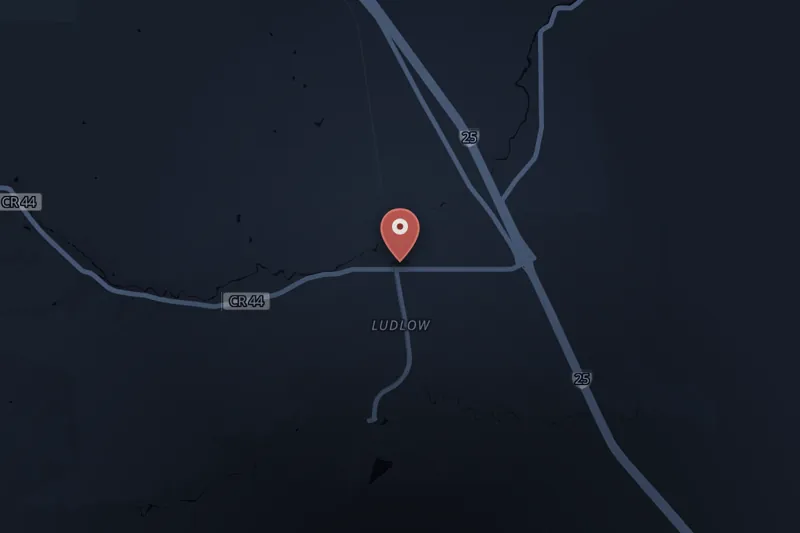
Ludlow tent colony site, Ludlow, Colorado
Case status
solved

Case timeline

  1. 1900

    United Mine Workers of America begins organizing coal miners in western states including southern Colorado.

  2. 1913-09

    United Mine Workers of America calls a general strike against Colorado coal operators after demands are rejected; strikers evicted from company housing move into union tent colonies.

  3. 1913-10-28

    Colorado Governor Elias M. Ammons calls in the Colorado National Guard in response to strike-related violence.

  4. 1914-03

    A replacement worker's body is found near Forbes, Colorado; National Guard blames strikers and destroys the Forbes tent colony in retaliation.

  5. 1914-04-20

    Colorado National Guard and CF&I private guards attack the Ludlow tent colony; approximately 21 people, mostly women and children, are killed, including camp leader Louis Tikas.

  6. 1914-04-29

    President Woodrow Wilson orders federal troops to intervene, ending the ten-day period of retaliatory violence known as the Ten Day War.

  7. 1914-12-10

    United Mine Workers of America calls off the strike after running out of funds; strikers' demands remain unmet.

  8. 1915

    U.S. House Committee on Mines and Mining publishes its report on the strike, influencing child labor and eight-hour workday legislation.

  9. 1916

    United Mine Workers of America purchases the site of the Ludlow tent colony.

  10. 1918

    The Ludlow Monument is erected at the massacre site to commemorate those who died.

  11. 1985

    The Ludlow tent colony site is listed on the National Register of Historic Places.

  12. 2003-05-07

    Vandals damage the Ludlow Monument, cutting off parts of two statues.

  13. 2005-06-05

    The repaired Ludlow Monument is unveiled with slightly altered statue faces.

  14. 2009-01-16

    The Ludlow tent colony site is designated a U.S. National Historic Landmark.

  15. 2009-06-28

    The National Historic Landmark designation is formally dedicated at the site.

  16. 2013-04-19

    Colorado Governor John Hickenlooper signs an executive order creating the Ludlow Centennial Commemoration Commission.

Best coverage

No approved coverage links are attached yet.

People

  • John R. Lawson

    CONVICTED

    Strike leader who was the only person present at Ludlow convicted of murder; the conviction was later overturned by the Colorado Supreme Court.

  • Karl Linderfelt

    ACQUITTED

    National Guard lieutenant court-martialed and found by a military board to be responsible for the deaths of Louis Tikas and other strikers exhibiting execution-style injuries, but was acquitted along with all other Guardsmen.

  • Louis Tikas

    VICTIM

    Camp leader of the Ludlow tent colony; captured by militia, struck with a rifle butt by Lt. Karl Linderfelt, and later found shot in the back.

Roles reflect public records and court outcomes at the time of writing — supporting citations are on file under Sources.

Places

Common questions

What happened to the victim?
On April 20, 1914, Colorado National Guard troops and private mine guards attacked a tent colony of roughly 1,200 striking coal miners and their families at Ludlow, Colorado, killing an estimated 21 people, most of them miners' wives and children, in the deadliest single incident of the Colorado Coalfield War.
Where did the massacre happen?
Ludlow tent colony site, Ludlow, Colorado.
Who was convicted?
John R. Lawson (Strike leader who was the only person present at Ludlow convicted of murder; the conviction was later overturned by the Colorado Supreme Court.).
What is the current status of the case?
Status: solved.

Sources

  1. National Historic Landmark Nomination - Ludlow Tent Colony Sitenews · nps.gov · 2026-07-10
  2. Ludlow Massacrewikipedia · Wikipedia · 2026-07-10
  3. Ludlow Tent Colony Site - National Historic Landmark Detailnews · tps.cr.nps.gov · 2026-07-10