David Jones was an African-American man who was lynched in Nashville, Tennessee, in 1872 after being accused of killing a white man named Henry Murray, who died in March of that year. Following Murray's death, Jones was arrested and held in the county jail in Nashville.
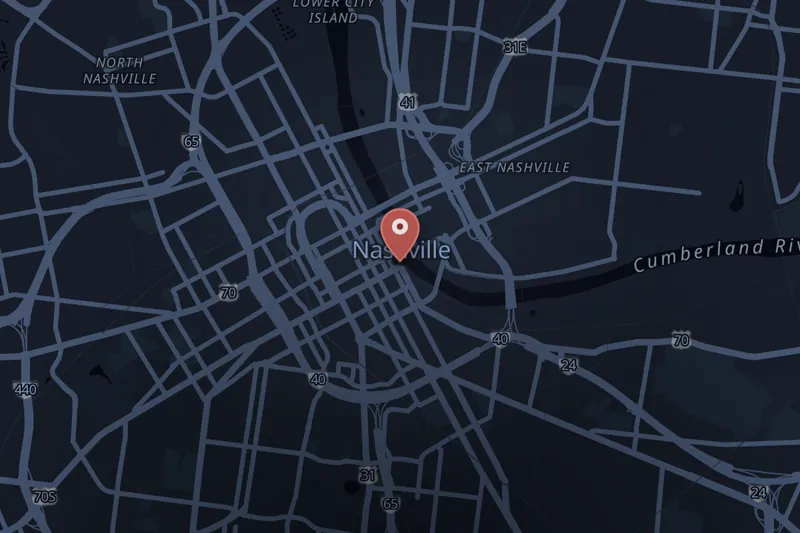
On the evening of March 25, 1872, a mob gathered outside the Maxwell House Hotel in downtown Nashville. By 9pm, the group walked to the jail, broke into Jones's cell, and shot him twice when he resisted. The mob then placed a halter around his head, dragged him to the public square, and hanged him from a gas post outside the police station. An estimated crowd of 2,000 onlookers gathered to witness the hanging.
Sheriff Donaldson interrupted the lynching, cutting Jones down from the post and carrying him back to the police station. The crowd dispersed by around 10pm. Former Nashville mayor and Tennessee state representative Major Richard Boone Cheatham urged the crowd to disperse, while Nashville Mayor Kindred Jenkins Morris and Tennessee Governor John C. Brown arrived at the scene. Governor Brown ordered a detachment of federal troops from Ash Barracks to serve as a posse under the mayor's direction and stated he would prosecute those responsible for the lynching.
Jones had been mortally wounded by the gunshots sustained during the mob's assault on the jail. He died of his injuries several days later, on April 9, 1872.
Contemporary newspaper accounts offered differing characterizations of the mob's composition: the Nashville Union and American suggested the lynching was carried out by "twenty or more negroes," while the Chicago Tribune reported that the lynchers were thought to be "railroad men." After Jones's death, in April 1872, Governor Brown offered a $500 reward to anyone who could identify the individuals responsible for the lynching. No individuals are documented as having been charged or convicted in connection with Jones's killing.
In June 2019, David Jones was set to be acknowledged by name on a memorial in downtown Nashville recognizing victims of lynching. The commemoration was organized in connection with "We Remember Nashville," a metropolitan coalition working with the Equal Justice Initiative, which planned events and educational programming that week addressing four documented cases of lynching in the city during the late 19th century.


 UNSOLVEDListen