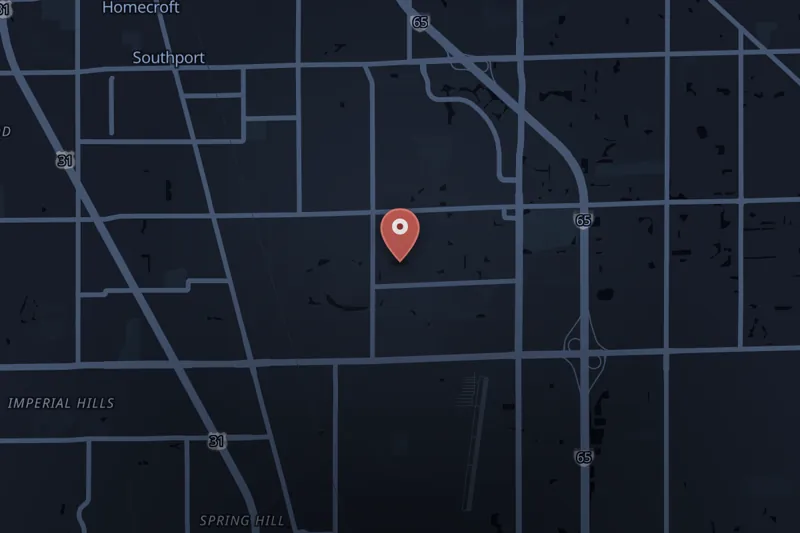
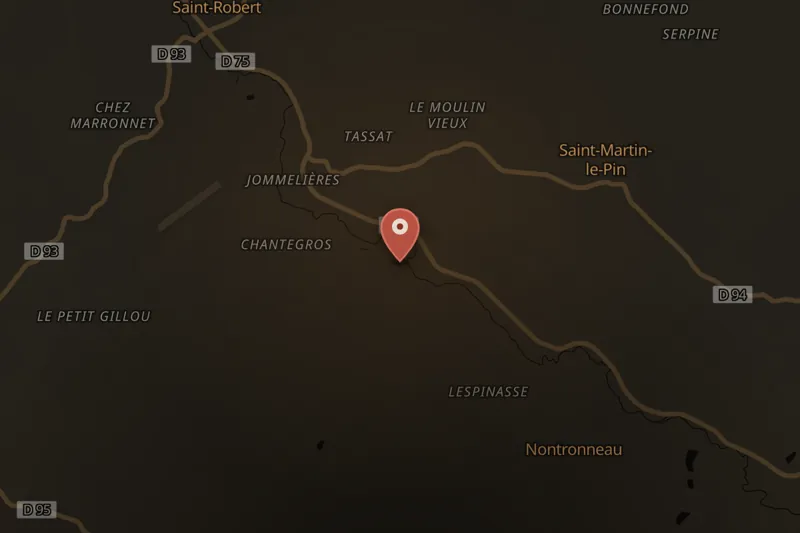
William Keemer was born around 1852, likely in the Beech Settlement, an early Black rural community in Carthage, Indiana, where his father James H. Keemer, a Civil War veteran, had settled. William worked as a carpenter for Charles S. Wiltsie, the prosecuting attorney for Marion County, Indiana. He had a brother, James, born in 1850 in Ohio, and their parents had been born in Kentucky.
On June 24, 1875, William Keemer was accused of raping Jerusha Vaughn (also referred to in some sources as Lucetta) at her home in Blue River Township, Carthage, Indiana, based on accusations made by her husband, William Vaughn. Local residents captured Keemer that day and took him to the Rush County Jail, where a mob gathered calling for his death. He was transferred the next day to the Hancock County Jail in Greenfield.
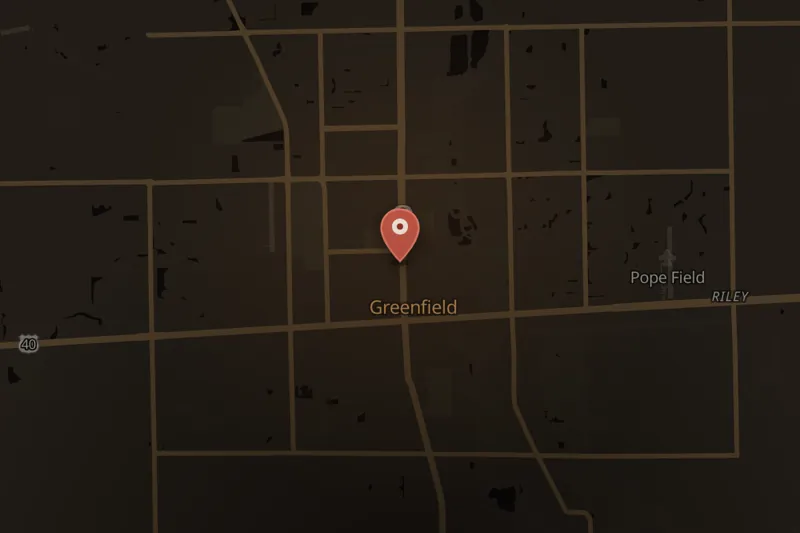
On the night of June 25, 1875, a mob of 150 to 160 masked white individuals from Hancock, Shelby, and Rush counties gathered outside the Hancock County Jail demanding a spectacle lynching. The mob restrained the sheriff to force entry into the jail and met resistance from Keemer before dragging him to the Hancock County fairgrounds, where he was hanged from a structure. A note pinned to his back read, "It is the verdict of 160 men of Hancock, Shelby and Rush, that this life is inadequate to meet the demands of justice." His body remained on display until the morning of June 26, and more than 1,000 people traveled to view it. The body was subsequently taken to the Wills and Pratt funeral parlor, still with the noose around his neck, before being buried in an unmarked grave in a potter's field on Sunday, June 27, 1875.
No trial was ever held regarding the alleged rape, and there is no evidence that Jerusha Vaughn was in fact a victim of assault. William Vaughn, the husband who made the accusation, later ran for sheriff as a Democratic candidate following Keemer's killing. As late as 1911, William's brother James Keemer was reportedly still searching for members of the white mob responsible for the lynching. A 1919 biography of Indiana poet James Whitcomb Riley alleged that Riley, then working at his father's law office in Greenfield, saw Keemer's body at the fairgrounds the day after the lynching.
Keemer's case is part of a broader pattern of racial terror violence in Indiana; at least eighteen Black people were lynched in the state between 1877 and 1950. In 2021, the Indiana Historical Bureau approved a historical marker acknowledging the lynching, to be placed at the site of Keemer's burial, with dedication held on August 24, 2024.

 SOLVEDListen