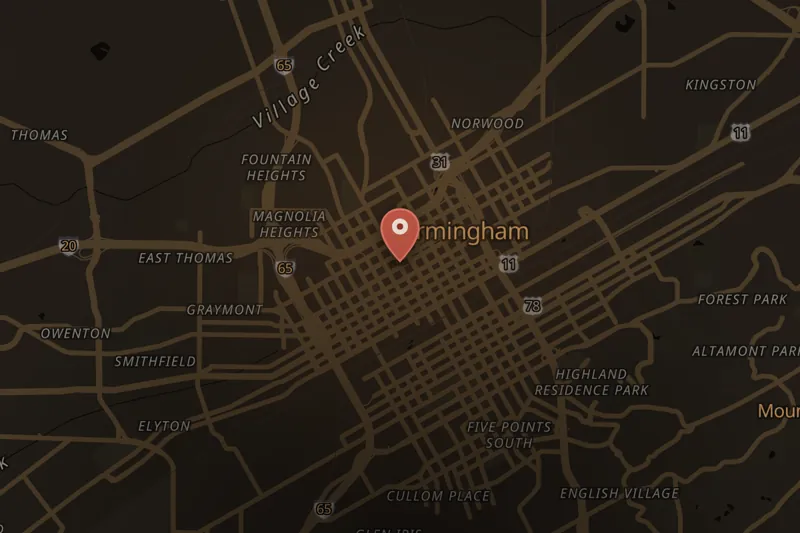
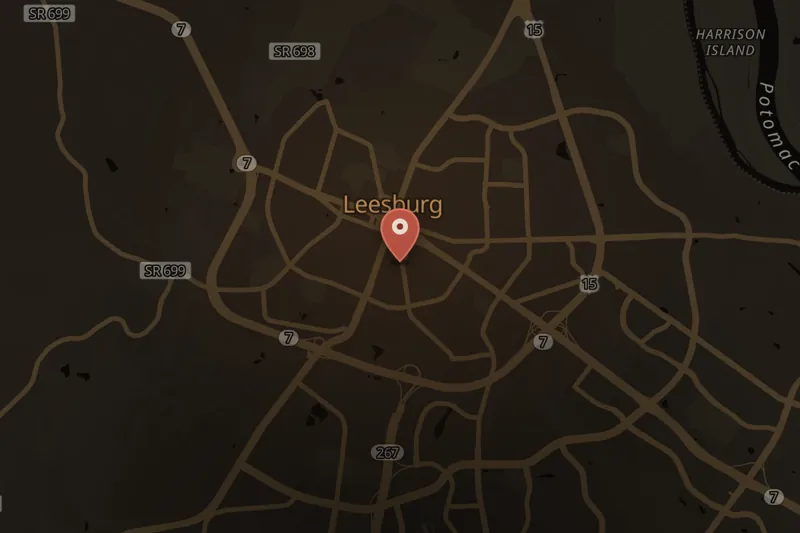
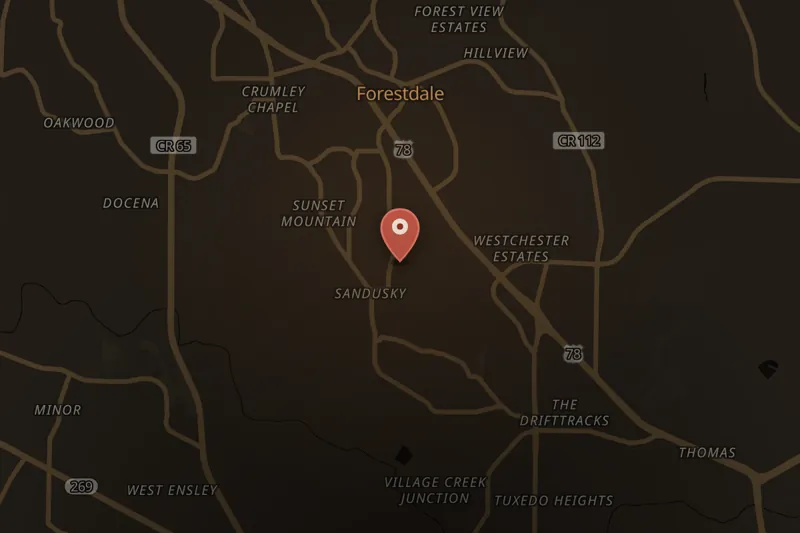
On January 14, 1889, J. S. Kellam, a white woman, and her 9-year-old son were attacked in a forest near the Pratt Mines in Jefferson County, Alabama. Kellam was beaten and raped but survived by feigning death. Her son was forced to lie beside her and was beaten to death. In response, more than 400 white coal miners organized into search parties and began rounding up Black men in the area, bringing them before Kellam for identification.
Kellam was unable to identify any of the men initially brought to her. The following day, the miners brought George Meadows, a man who had recently arrived in the area, before her. After a brief investigation, the mob declared Meadows guilty after Kellam said he was most likely her attacker. Meadows had drawn suspicion to himself by repeatedly talking about the murder.
Despite the mob's determination, Kellam pleaded with the crowd not to lynch Meadows, stating she was unsure of his guilt. Her husband, citing his religious faith, also urged the mob to allow Meadows to stand trial rather than be killed extrajudicially. The mob did not heed these requests and lynched Meadows near the Pratt Mines. After his death, an undertaker left Meadows's body on public view, and it was shot multiple times; overall, the mob fired approximately 500 shots at the corpse, with about 100 hits.
On January 16, the county sheriff concluded that Meadows had not actually committed the crime and arrested another Black man, Lewis Jackson. Jackson was released the next day when Kellam could not identify him. A subsequent local review of the incident asserted that Meadows had been the attacker, though he was never tried; Kellam was later reported to have said she had never truly doubted that Meadows was her attacker, but had expressed doubt because she did not want to bear responsibility for triggering his lynching. A local newspaper reported that the mob debated for about 24 hours over whether to hand Meadows to authorities, ultimately deciding to lynch him after finding bloodstains on his undershirt and hat. One white man in the crowd urged reconsideration, citing a possibility of Meadows's innocence, but the lynching proceeded after another man claimed Meadows had previously attempted to rape a Black girl.
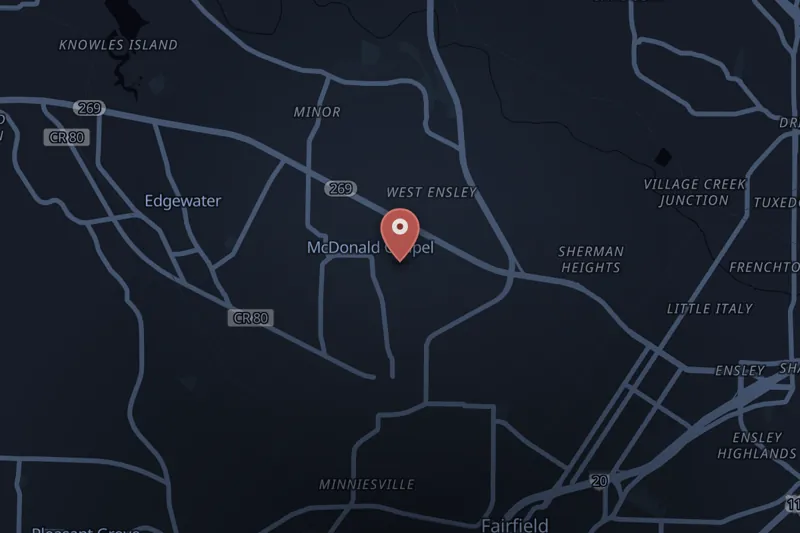
Following the lynching, a Black woman named Patsy Hamilton came forward and accused Meadows of having raped her daughter two years earlier; this accusation was reportedly supported at a coroner's inquest. Meadows was buried in a paupers' grave in what is now Lane Park in Birmingham, Alabama. In 2019, Tony Bingham, a professor at Miles College and an advisor to the Jefferson County Memorial Project, announced efforts to locate Meadows's grave site or arrange for a memorial at the Birmingham Zoo or Birmingham Botanical Gardens, both located within Lane Park.

 SOLVEDListen