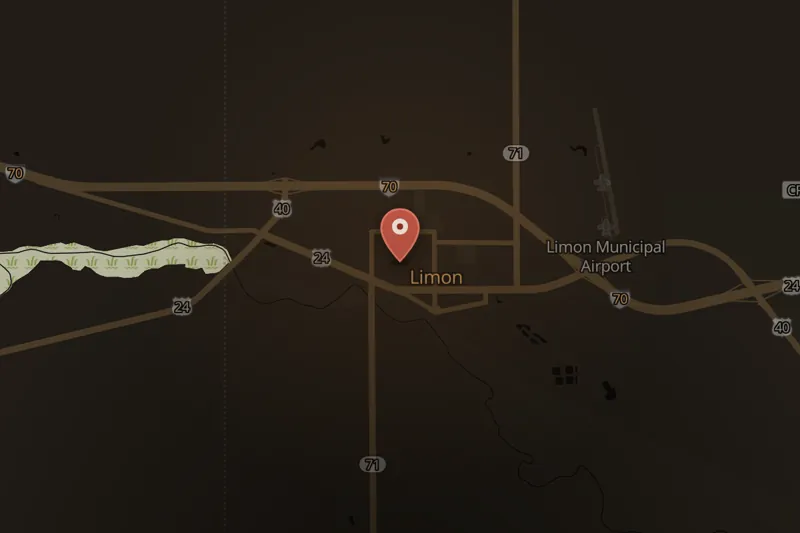
Preston John Porter Jr., commonly called by his middle name John, was born April 25, 1885, in Hamilton County, Ohio, and was living in Lawrence, Kansas, before traveling to Colorado in 1900 with his father, Preston Sr., and brother, Arthur, to work in railroad construction. He was 15 years old at the time of his death.
On the evening of November 8, 1900, an 11-year-old white girl named Louise Frost was found unconscious near Limon, Colorado, with fourteen stab wounds and a skull fracture; she had also been raped. She died without regaining consciousness around midnight on November 9. A railroad worker, Fred Schum, was the sole eyewitness but could not describe the second person he saw with Louise from 50 yards away. Following a child's report of a Black man seen in Limon the day of the attack, police posted a $500 reward and questioned three Black men, all of whom were released due to alibis.
On November 11, the Porters were stopped, questioned, and then arrested while leaving Denver to return to Kansas. The Lincoln County sheriff soon announced his belief that Preston Jr. alone was responsible, despite corroborated claims that Porter was roughly five miles outside Limon about an hour after the murder. Cited evidence included clothing mailed to Porter's mother and burned clothing and a handkerchief never connected to Porter or the victim. After four days of torture in a sweatbox, Porter gave a forced confession under threat that his father and brother would be lynched. Newspapers, including the Henry County Democrat, predicted at the time that Porter would be lynched, likely burned, once transported toward Lincoln County.
A citizens' meeting in Limon before November 16 resolved that Porter should be hanged "with all the decorum of a legal execution," and a sixteen-member "vigilance committee" formed the night of November 15. On November 16, Porter was taken by train from Denver; when the train stopped in Limon, the vigilance committee boarded and abducted him despite the sheriff's protests. The decision on method of death was left to Louise's father, Richard W. Frost, who ultimately had Porter burned rather than hanged. Porter was bound to a steel rail with ropes and chains before a crowd exceeding 300 (some reports said around 700). He read from the Gospel of Luke and handed out torn Bible pages as souvenirs before the fire was lit at 6:23 p.m. by Frost. Porter begged for mercy and asked to be shot before losing consciousness; he was found dead roughly twenty minutes later.
No inquest initially occurred due to lack of remains, though bone fragments found about a week later prompted an inquest that concluded Porter died "at the hands of parties unknown." The district attorney declined criminal proceedings, citing public approval of the lynching, despite photographs showing mob members' faces. Colorado Governor Charles S. Thomas declined comment afterward, having earlier said "hanging is too good for [Porter]" and voiced support for the "spirit of the lynch law." The lynching contributed to Colorado reinstating capital punishment effective July 1, 1901, after its 1897 abolition. In 2018, the Colorado Lynching Memorial Project held a soil collection ceremony at the site, sending samples to the National Memorial for Peace and Justice in Montgomery, Alabama; a historical marker was erected in Denver in October 2020 and unveiled the following month.