Case file
Lynching of Ed Johnson

On January 23, 1906, Nevada Taylor was attacked while walking home to the cottage at Chattanooga's Forest Hills Cemetery, where she lived with her father, the cemetery caretaker. She lost consciousness during the assault and later stated only that her assailant was a Black man who approached from behind and used a leather strap. A doctor determined she had been sexually assaulted. Hamilton County Sheriff Joseph F. Shipp led the search, arresting James Broaden the next morning and Ed Johnson the following day after a report that he had been seen with a leather strap near the streetcar stop. The arrests occurred amid heightened local racial tension following a series of alleged crimes attributed to Black suspects in December 1905, including the killing of a constable by Floyd Westfield.
A mob of roughly 1,500 people gathered at the jail demanding the prisoners be handed over; Shipp and Judge Samuel D. McReynolds had already moved Johnson and Broaden to Nashville, and the crowd was persuaded to disperse. Johnson was indicted on January 26 and tried beginning February 6. Taylor testified she believed, but would not swear, that Johnson was her attacker. Defense witnesses placed Johnson elsewhere at the time of the crime and suggested a prosecution witness had been motivated by a reward. The jury, split 8–4 toward conviction, ultimately convicted Johnson, and he was sentenced to death.
Attorneys Noah Parden and Styles Hutchins took up an appeal after Johnson's original counsel declined. State appeals failed, but Parden's federal habeas corpus petition led a district judge to suggest a stay from the governor, which was granted. Parden then traveled to Washington, D.C., and secured a Supreme Court review; on March 19, 1906, the Court ordered a second stay of execution.
That same evening, with Sheriff Shipp having excused most jail guards, a mob broke into the jail, seized Johnson, and hanged him from the Walnut Street Bridge, shooting him dozens of times as he hung. A note addressed to Justice John Marshall Harlan was left on his body. The lynching prompted federal intervention: President Theodore Roosevelt directed Secret Service involvement, and the Supreme Court itself tried Shipp and others for contempt in United States v. Shipp, the only criminal trial ever conducted by the Court. In 1909, Shipp and five others were found guilty and sentenced to 60–90 days in prison; three co-defendants were acquitted. Johnson's attorneys were threatened and left Tennessee permanently.
In February 2000, a Hamilton County judge vacated Johnson's conviction, finding his trial had been unfair due to an all-white jury and the refusal to move the trial venue. A memorial to Johnson was dedicated near the lynching site in September 2021.

Key facts
- Victims
- Ed Johnson
- Date
- 1906
- Location
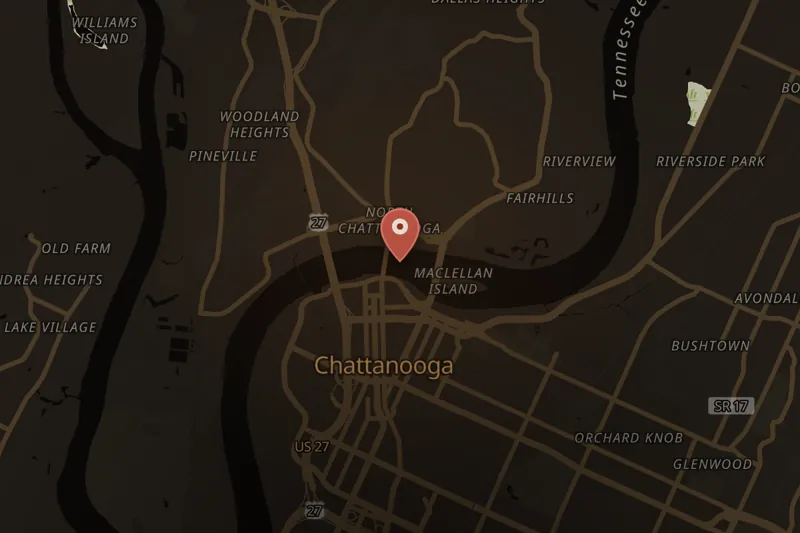
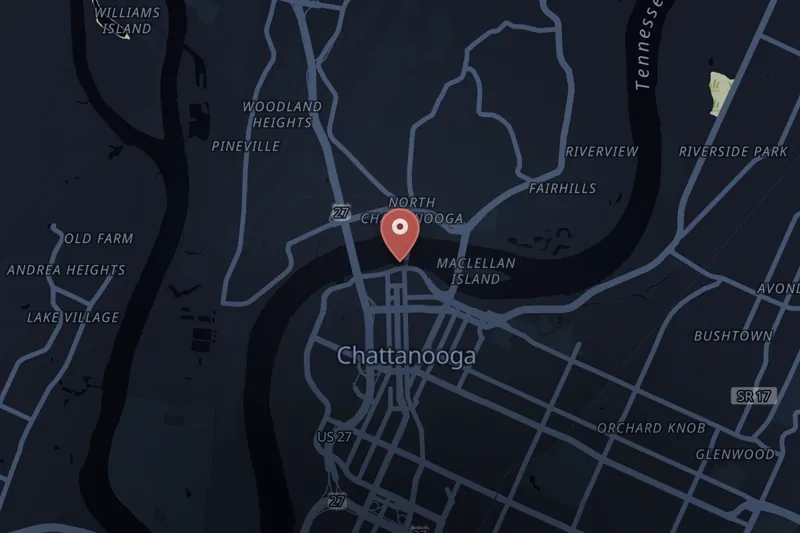
- Walnut Street Bridge, Chattanooga, Tennessee
- Case status
- solved
Case timeline
1905-12
A series of alleged crimes attributed to Black suspects, including the killing of a constable, heightens racial tension in Chattanooga.
1906-01-23
Nevada Taylor is attacked near a streetcar stop while walking home to the Forest Hills Cemetery cottage.
1906-01-24
Sheriff Joseph F. Shipp arrests James Broaden, matching Taylor's description.
1906-01-25
Ed Johnson is arrested after a report he was seen with a leather strap near the scene.
1906-01-26
Johnson is indicted by a grand jury.
1906-02-06
Johnson's trial begins before Judge Samuel D. McReynolds.
1906-02-09
Johnson is convicted and sentenced to death, with execution set for March 13.
1906-02-12
Attorneys Noah Parden and Styles Hutchins request an appeal, which is denied.
1906-03-02
Parden files a federal habeas corpus petition in Knoxville after the Tennessee Supreme Court denies appeal.
1906-03-10
District Judge Charles Dickens Clark dismisses the habeas petition but suggests seeking a gubernatorial stay.
1906-03-17
Parden meets in Washington, D.C. with Justice John Marshall Harlan.
1906-03-19
The U.S. Supreme Court grants a stay of execution; that evening a mob abducts Johnson from jail and lynches him from the Walnut Street Bridge.
1906-03-20
Widespread strikes occur among Chattanooga's Black community following the lynching.
1906-03-21
Approximately 2,000 people attend Johnson's funeral.
1909-05
Shipp, Williams, Nolan, Gibson, Padgett, and Mayes are found guilty of contempt of court in United States v. Shipp; Galloway, Handman, and Justice are acquitted.
1909-11-15
The Supreme Court imposes sentences of 60 to 90 days in prison on the six convicted men.
2000-02
Hamilton County Criminal Judge Doug Meyer vacates Johnson's conviction, ruling his trial was unfair.
2021-09-19
A memorial to Ed Johnson is dedicated near the site of the lynching.
Best coverage
No approved coverage links are attached yet.
People
Alf Handman
ACQUITTEDCharged with contempt of court in United States v. Shipp; acquitted.
Jeremiah Gibson
CONVICTEDElderly nighttime jailer; convicted of contempt of court and sentenced to 60 days in prison.
Matthew Galloway
ACQUITTEDDeputy charged with contempt of court in United States v. Shipp; acquitted.
Nick Nolan
CONVICTEDTestimony showed he adjusted the noose around Johnson's neck; convicted of contempt of court and sentenced to 90 days in prison.
John Marshall Harlan
LAW ENFORCEMENTU.S. Supreme Court Justice who granted the stay of execution and later presided over United States v. Shipp.
Joseph F. Shipp
CONVICTEDHamilton County Sheriff; convicted of contempt of court in United States v. Shipp for aiding and abetting the mob; sentenced to 90 days in prison.
Luther Williams
CONVICTEDFound to have fired shots into Johnson's body; convicted of contempt of court and sentenced to 90 days in prison.
William Mayes
CONVICTEDAccused of mob membership; convicted of contempt of court and sentenced to 60 days in prison.
Henry Padgett
CONVICTEDDeputy accused of mob membership; convicted of contempt of court and sentenced to 60 days in prison.
Bart Justice
ACQUITTEDCharged with contempt of court in United States v. Shipp; acquitted.
Ed Johnson
VICTIMLynched by a mob on March 19, 1906; conviction for rape posthumously vacated in 2000 after a judge found his trial unfair.
Roles reflect public records and court outcomes at the time of writing — supporting citations are on file under Sources.
Archival records

newspaper
Mary Church Terrell Papers: Miscellany, 1851-1954; Clippings; Lynching, 1906
Credit: terrell, mary church · Public domain (LoC) · Source
Places
Common questions
- What happened to the victim?
- On March 19, 1906, Ed Johnson, a young Black man convicted of raping Nevada Taylor in Chattanooga, Tennessee, was seized from jail by a mob and lynched from the Walnut Street Bridge, hours after the U.S. Supreme Court had issued a stay of execution. The lynching led to United States v. Shipp, the only criminal trial ever conducted by the Supreme Court, and Johnson's conviction was posthumously vacated in 2000.
- Where did the crime happen?
- Walnut Street Bridge, Chattanooga, Tennessee.
- Who was convicted?
- Jeremiah Gibson (Elderly nighttime jailer; convicted of contempt of court and sentenced to 60 days in prison.), Nick Nolan (Testimony showed he adjusted the noose around Johnson's neck; convicted of contempt of court and sentenced to 90 days in prison.), Joseph F. Shipp (Hamilton County Sheriff; convicted of contempt of court in United States v. Shipp for aiding and abetting the mob; sentenced to 90 days in prison.), Luther Williams (Found to have fired shots into Johnson's body; convicted of contempt of court and sentenced to 90 days in prison.), William Mayes (Accused of mob membership; convicted of contempt of court and sentenced to 60 days in prison.), and Henry Padgett (Deputy accused of mob membership; convicted of contempt of court and sentenced to 60 days in prison.).
- What is the current status of the case?
- Status: solved. Last verified July 2026.
Sources
- ENCYCLOPEDICLynching of Ed JohnsonWikipedia · 2026-07-07
- OFFICIAL / AGENCYContemporaneous coverage of the lynching of Ed Johnsonchroniclingamerica.loc.gov · 2026-07-07
- PRESSThe Trial of Sheriff Joseph Shippfamous-trials.com · 2026-07-07
Record history
- First published
- JUL 07, 2026
- Last verified against sources
- JUL 07, 2026