Case file
Lynching of Thomas Shipp and Abram Smith

J. Thomas Shipp (born March 1, 1911) and Abraham S. Smith (born October 14, 1910) were two young African-American men lynched on August 7, 1930, in Marion, Indiana, by a mob estimated at 5,000 people. They had been arrested the previous night as suspects in the robbery and murder of Claude Deeter, a 23 or 24-year-old white factory worker, and the rape of his fiancée, Mary Ball, 18. Smith confessed to raping Ball. A third suspect, 16-year-old James Cameron, was also arrested and seized by the mob but was returned to jail after an unidentified woman in the crowd said he had nothing to do with the rape or murder.
A large crowd broke into the jail with sledgehammers, dragged the three suspects out, beat them, and hanged Shipp and Smith from a tree in the county courthouse square. When Smith tried to free himself as his body was hauled up, men lowered him and broke his arms to stop him. Police officers present cooperated in the lynching. Local photographer Lawrence Beitler took a widely circulated photograph of the crowd and the hanging bodies, selling thousands of copies in the following days. Deeter's parents condemned the lynching after their son's death, while Mary Ball's mother said the men had gotten what they deserved.
The local NAACP, led by Flossie Bailey, and Indiana Attorney General James M. Ogden sought indictments against mob leaders, but the Grant County grand jury initially refused. Ogden later brought charges against four mob leaders and pursued impeachment proceedings against the Grant County sheriff who had not intervened. Eight men were ultimately arrested and charged in connection with the lynching: Robert Beshire, Charles Lennon, Chester Pease, Philip Boyd, Arnold Waller, Everett Paul Clark, Asa Davis, and a man surnamed Praim. Beshire was acquitted after 30 minutes of jury deliberation and Lennon after 18 hours; charges against the remaining defendants were subsequently dropped.
In 1931, James Cameron was tried for being an accessory before the fact to Deeter's murder. Mary Ball testified she had been raped but could not identify Cameron as an attacker. He was convicted of the lesser offense of being an accessory before the fact to manslaughter and served four years in the Indiana State Prison before parole in 1935. Cameron later said his original confession had been coerced through beating. He went on to work as a civil rights activist in Indiana and, in 1988, founded America's Black Holocaust Museum in Milwaukee. He was pardoned by the state of Indiana (sources differ on the exact year, citing both 1991 and 1993).
The Beitler photograph later inspired Abel Meeropol's 1937 poem "Bitter Fruit," which Meeropol set to music as "Strange Fruit," later recorded by Billie Holiday in 1939. In 2007, a mural depicting part of the photograph, titled "American Nocturne," was installed in Elgin, Illinois, and was later removed from public display following controversy, then replaced in 2021 by a different mural.

Key facts
- Victims
- Claude Deeter, Abraham S. Smith, J. Thomas Shipp
- Date
- 1930
- Location
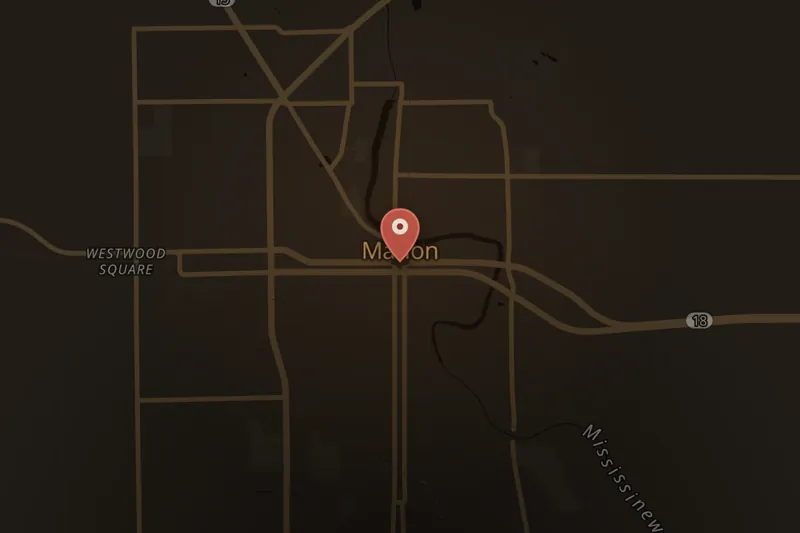
- Grant County Courthouse Square, Marion, Indiana
- Case status
- solved
Case timeline
1910-10-14
Abraham S. Smith is born.
1911-03-01
J. Thomas Shipp is born.
1930-08-06
Shipp, Smith, and James Cameron are arrested as suspects in the robbery and murder of Claude Deeter and the rape of Mary Ball.
1930-08-07
A mob of thousands breaks into the Marion, Indiana jail, beats Shipp and Smith, and hangs them from a tree in the courthouse square; James Cameron narrowly escapes lynching.
1931
James Cameron is tried and convicted as an accessory before the fact to manslaughter in Deeter's death; he is sentenced to two to 21 years in prison.
1933-03-14
Robert Beshire, one of eight men charged in the lynching who was acquitted, dies of tuberculosis.
1935
James Cameron is paroled after serving four years.
1937
Abel Meeropol writes the poem "Bitter Fruit," inspired by the Beitler photograph of the lynching.
1939
Billie Holiday records and popularizes "Strange Fruit," Meeropol's song based on the poem.
1971-01-31
Charles Lennon, one of the acquitted defendants, dies.
1983-10-10
Philip Boyd, one of the charged men, dies.
1986-07-17
Everett Paul Clark, one of the charged men, dies.
1988
James Cameron founds America's Black Holocaust Museum in Milwaukee, Wisconsin.
2007
The mural "American Nocturne," depicting part of the Beitler photograph, is installed in Elgin, Illinois.
2016
Public controversy over the Elgin mural leads to its removal from the park and relocation to the Hemmens Cultural Center.
2021
The Elgin mural is replaced by a new mural inspired by 2020 protest artwork.
Best coverage
No approved coverage links are attached yet.
People
Everett Paul Clark
CHARGEDOne of eight men charged in connection with the lynching, aged 19 at the time; charges were later dropped.
Claude Deeter
VICTIMWhite factory worker robbed and murdered, the crime for which Shipp and Smith were accused and later lynched.
Abraham S. Smith
VICTIMLynched alongside Shipp on August 7, 1930; had confessed to raping Mary Ball.
Flossie Bailey
LAW ENFORCEMENTLocal NAACP official in Marion who worked with the state attorney general to seek indictments against mob leaders.
Asa Davis
CHARGEDOne of eight men charged in connection with the lynching; charges were later dropped.
Robert Beshire
ACQUITTEDOne of eight men charged in the lynching; acquitted after 30 minutes of jury deliberation.
Arnold Waller
CHARGEDOne of eight men charged in connection with the lynching; charges were later dropped.
J. Thomas Shipp
VICTIMLynched by a mob on August 7, 1930, in Marion, Indiana, after being accused of robbery, murder, and rape.
James M. Ogden
LAW ENFORCEMENTIndiana Attorney General who pressed for indictments against mob leaders and pursued impeachment of the Grant County sheriff.
James Cameron
CONVICTEDArrested as a suspect and nearly lynched; later convicted in 1931 of being an accessory before the fact to manslaughter and served four years; pardoned by the state of Indiana.
Charles Lennon
ACQUITTEDOne of eight men charged in the lynching; acquitted after 18 hours of jury deliberation.
Chester Pease
CHARGEDOne of eight men charged in connection with the lynching; charges were later dropped.
Philip Boyd
CHARGEDOne of eight men charged in connection with the lynching, aged 18 at the time; charges were later dropped.
Roles reflect public records and court outcomes at the time of writing — supporting citations are on file under Sources.
Archival records

portrait victim
File:Lynching of Thomas Shipp and Abram Smith.jpg
Credit: unknow author · Public domain · Source
Places
Common questions
- What happened to the victim?
- On August 7, 1930, a mob of thousands in Marion, Indiana, broke into a jail and lynched J. Thomas Shipp and Abraham S. Smith, two young Black men accused of murdering Claude Deeter and raping Mary Ball. A third suspect, 16-year-old James Cameron, narrowly escaped death. Grand jury and trial proceedings against mob members ended in acquittals and dropped charges; Cameron was later convicted as an accessory to manslaughter and pardoned decades later.
- Where did the crime happen?
- Grant County Courthouse Square, Marion, Indiana.
- Who was convicted?
- James Cameron (Arrested as a suspect and nearly lynched; later convicted in 1931 of being an accessory before the fact to manslaughter and served four years; pardoned by the state of Indiana.).
- What is the current status of the case?
- Status: solved. Last verified July 2026.
Sources
- ENCYCLOPEDICLynching of Thomas Shipp and Abram SmithWikipedia · 2026-07-07
- PRESSContemporaneous coverage — NPRNPR · 2026-07-07
- PRESSContemporaneous coverage — chicagotribune.comchicagotribune.com · 2026-07-07
Record history
- First published
- JUL 07, 2026
- Last verified against sources
- JUL 07, 2026