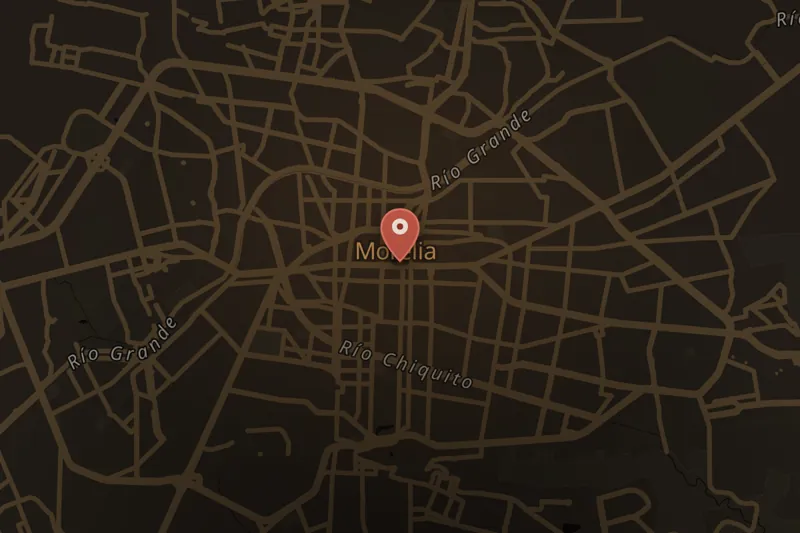
On the night of 15 September 2008, thousands of people gathered in the Plaza Melchor Ocampo, the main square of Morelia, Michoacán, Mexico, to celebrate the Mexican Independence Day anniversary. Shortly after Governor Leonel Godoy led the traditional Grito, two grenades were thrown into the crowd. The first blast occurred shortly after 23:00 on the plaza itself, and a second explosion followed minutes later on a side street about four blocks away. Two further explosions were reported afterward: one at around 01:00 along the highway leaving the city toward Salamanca, Guanajuato, and another at 01:15 in the Santa María district near Morelia's monumental flag. At least eight people were killed and more than 100 were injured.
In the aftermath, suspicion focused on drug-trafficking organizations. The criminal group "La Familia," which operated primarily in Michoacán, was initially named in investigative reporting but publicly distanced itself from the attacks by placing banners around Morelia denying involvement and blaming Los Zetas, an armed group linked to the Gulf Cartel. Los Zetas, in turn, denied responsibility and blamed La Familia. The Popular Revolutionary Army (EPR), a Mexican guerrilla organization, also issued a statement disassociating itself from the attack.
On 25 September 2008, following an anonymous tip, three men suspected of carrying out the attacks were arrested in Apatzingán, Michoacán, by agents of the Federal Investigation Agency (AFI) and SIEDO. The detainees reportedly confessed to being members of Los Zetas in a videotaped statement, but shortly afterward, without their lawyers present, they retracted their confessions, alleging they had been tortured into confessing — a practice associated with the AFI under then-official Genaro García Luna.
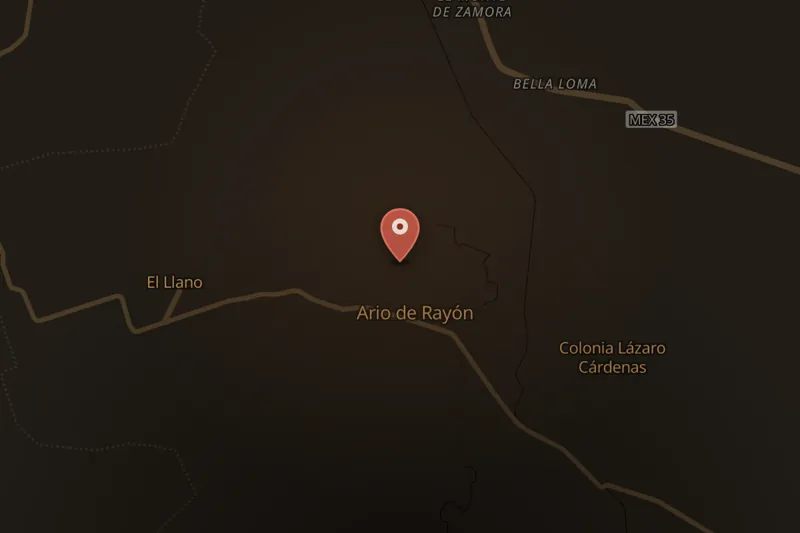
Years later, the case against the three men collapsed. According to later findings, the men had not been in Morelia on the night of the attack; instead, they had been in Lázaro Cárdenas, Michoacán, and were later taken to an unincorporated area in the Apatzingán municipality, where they were allegedly tortured and tied to a tree. It was alleged that federal agents were paid to arrest them on orders connected to figures within a rival criminal organization. In May 2015, a judge granted the men an injunction and ordered their release, citing expert examinations supporting claims of torture along with other procedural irregularities. In 2019, a federal corrections judge formally found the men not guilty, following roughly eleven years since their initial detention.
Morelia is the hometown of then-President Felipe Calderón, and Michoacán had become a focal point of the federal government's anti-drug campaign. Investigators at the time viewed the attack as potentially linked to territorial conflict among cartels or intended as a warning to the government. The bombing of a public civilian gathering was described as unprecedented in the country's recent history and drew widespread condemnation.

 SOLVEDListen