In mid-1994, staff at Amanda Froistad's daycare in North Dakota became concerned about aggressive behavior she was displaying. Her mother, Ann Purdy, took her to a counselor to investigate. During that visit, Amanda told the counselor she was being molested by her father, Larry Froistad. As required by law, the counselor reported the molestation allegation to South Dakota's Child Welfare Agency, where the counselor practiced. However, South Dakota authorities and North Dakota authorities, where Amanda actually lived, did not coordinate with one another, and no protective action followed.
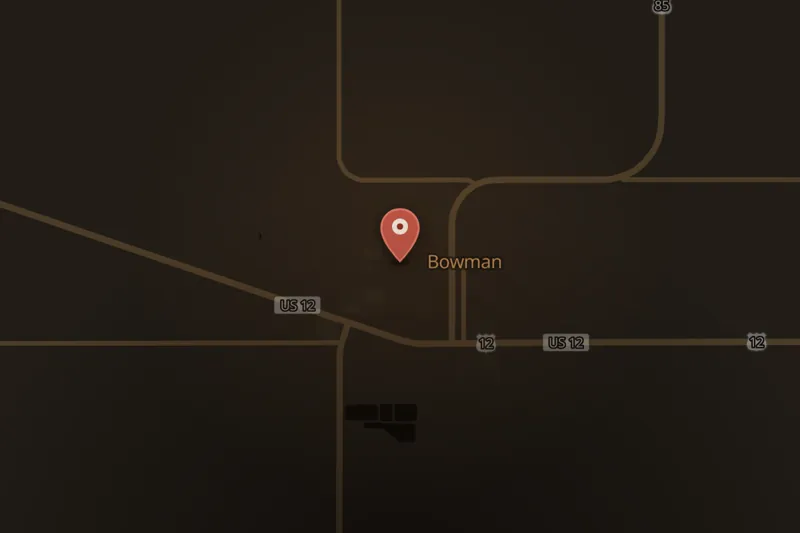
On May 31, 1995, Larry Froistad, who was heavily inebriated, set fire to the family's home in Bowman County, North Dakota, with five-year-old Amanda trapped inside. He climbed out a window as the fire took hold. After his daughter began screaming and the screams eventually stopped, Larry briefly re-entered the burning house, picked her up, determined she was still alive, and then climbed back out the window without removing her from the house. He then called police and presented himself as distraught over her death. Although the circumstances of the death were unusual, police who personally knew Larry Froistad did not pursue prosecution at the time, reportedly because they could not believe he was capable of the act.
Nearly three years later, in 1998, Froistad posted a written confession to the killing on an online email list with approximately 200 members. Responses to the confession varied; some members suggested the account was fabricated or was a manifestation of guilt over his divorce, while others expressed disbelief in other ways. Of the roughly 200 subscribers, only three reported the confession to legal authorities. The episode has since been studied by researchers as an example of an online manifestation of the bystander effect. Separately, Froistad had also confessed to molesting his daughter within an online group associated with pedophiles.
Following the confession's referral to authorities, Larry Froistad entered a plea deal in which he pleaded guilty to both murder and child molestation. He was sentenced to 30 years in prison, with eligibility for parole in 2024.
The case also drew commentary regarding online community responses to disclosures of serious crimes. Author Jeffrey Schaler wrote about the failure of leadership within Moderation Management, an online group for people with drinking problems attempting to moderate their alcohol use, to condemn Froistad, a member of that group, after his 1998 confession. Citing the Froistad case and the ensuing controversy, Schaler recommended that psychiatrists inform patients early in treatment that confidentiality would be waived upon disclosure of a felony involving direct harm to another person.