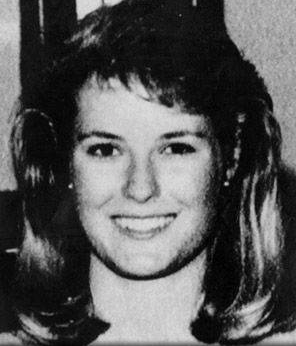
Brian John Bishop (24 July 1947 – 27 August 1984) was a British police officer serving with Essex Constabulary. He joined the force as a fifteen-year-old cadet in 1962, became PC 389 on 11 August 1966 at 6 ft 7 in tall, and was posted to Colchester. He later worked as a dog handler from 1968, moved to the Force Support Unit in 1975, and became a firearms instructor. At the time of his death he held the rank of Acting Sergeant.
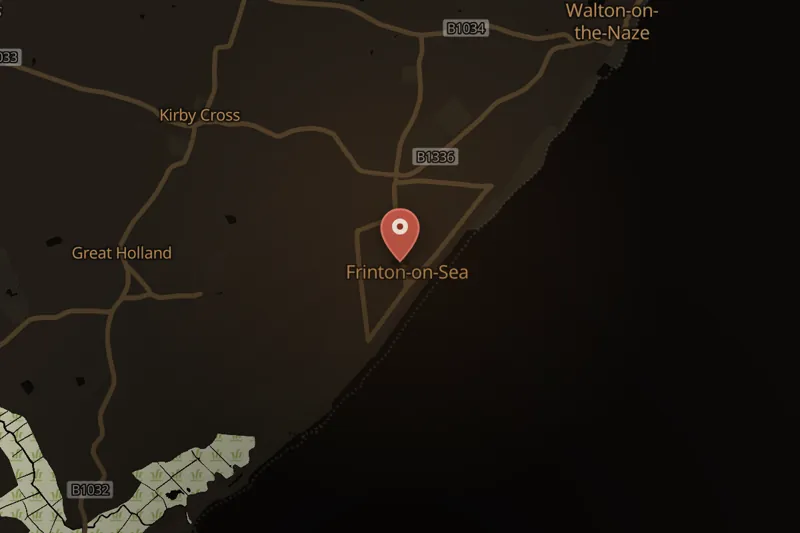
On 22 August 1984, Bishop was part of the Essex Police tactical firearms group deployed to Central Avenue near the seafront in Frinton-on-Sea. He was waiting for an armed robber to return to collect money hidden after post office raids in Walton and Frinton. When Bishop challenged the suspect, the man opened fire, causing extensive head injuries to Bishop. His colleague, Sergeant Mervyn Fairweather, was also shot, in the groin, during the same incident. Fairweather later recovered.
Bishop was taken to St. Bartholomew's Hospital in Smithfield, London, where he died from his injuries five days later, on 27 August 1984.
Colin Richards, a 35-year-old man from Brentwood, was arrested at the scene after another of Bishop's colleagues returned fire; Richards sustained injuries that left him paralysed from the waist down. He was tried at Norwich Crown Court and, on 19 July 1985, was found guilty of Bishop's murder and of wounding Fairweather — having been charged with Fairweather's attempted murder. Richards was sentenced to life imprisonment with a minimum tariff of 20 years.
On 19 February 1986, the then Home Secretary, Douglas Hurd, unveiled a brown granite memorial stone adjacent to the seafront site where Bishop was shot. This memorial was only the third to be funded and erected by the Police Memorial Trust, and was the first sited outside London.