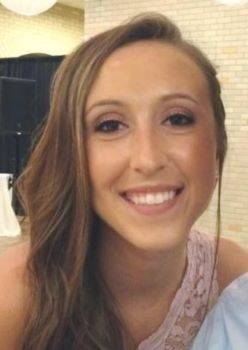
Cynthia Udoka Osokogu was born on 10 November 1987 in Agbor, Delta State, the only daughter of retired major-general Frank Osokogu and Joy-Rita Nkem Osokogu. She studied English Language at Nasarawa State University, was pursuing a master's degree in Public Administration, had worked at MTN, and ran a boutique called "Dress Code" in Keffi, Nasarawa State.
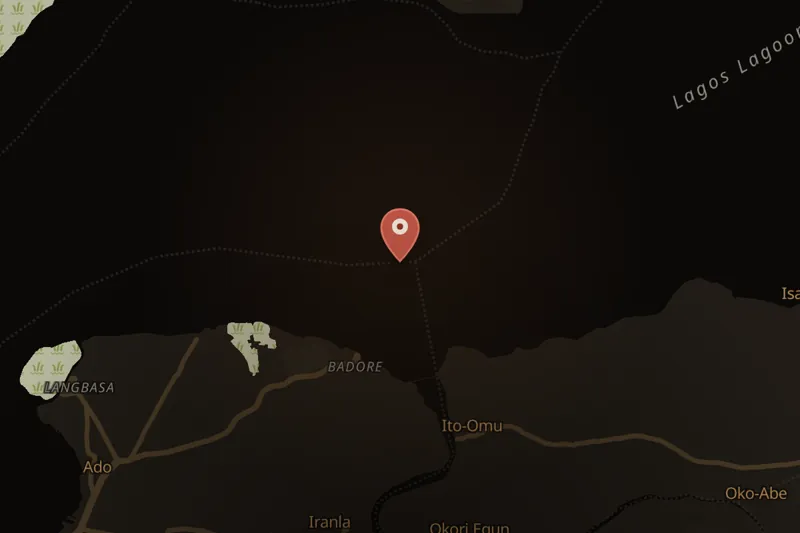
Cynthia had been in contact for several months, via Facebook and BlackBerry Messenger, with two men she believed were fellow retailers offering to supply goods at lower prices. In July 2012, she traveled from Abuja to Lagos to meet them regarding this purported business opportunity. The men met her at the airport and took her to a hotel in Festac Town. According to hotel receptionist Ifeyinwa Njebu's court testimony, the pair checked into the hotel on 21 July 2012 and returned in the early hours of 22 July. One of the men later left, telling staff he would return to settle an additional day's payment while his companion remained in the room. When payment was not made and the room did not respond, staff entered using a master key and found Cynthia unresponsive; the manager was alerted and police were contacted. Her identification documents and phones were missing, delaying identification, and her body was placed in a Lagos morgue.
Cynthia's mother tried reaching her by phone for several days; a man eventually answered, claimed Cynthia was sick, and later suggested she had been kidnapped, demanding a 20 million Naira ransom. The call was traced to Festac, leading the family to a missing-person report, the morgue, and the hotel. An autopsy conducted by pathologist John Oladapo Obafunwa found Cynthia's hands and legs bound with tape and a padlocked chain, her mouth stuffed and sealed with tape, petechial hemorrhaging, and pulmonary oedema; the cause of death was determined to be asphyxiation. A dose of Rohypnol supplied to the suspects by a pharmacist was found not to be the cause of death. Investigators stated the suspects had targeted her believing she would carry large sums of cash as the daughter of a retired general, though her brother said she carried no such cash. Several other women reportedly came forward describing similar drugging and robbery by the same men, who had allegedly committed prior robberies.
Six people were initially arrested, including Olisaeloka Ezike and Okwuno Nwabufor — identified as the men she met via Facebook — along with a pharmacist and an associate who assisted in selling her stolen phone. Trial began at Yaba Magistrate Court in Lagos on 27 August 2012. Confessional statements, video-recorded, were later admitted as evidence by Justice Olabisi Akinlade of the Lagos High Court, who found them corroborated by witness testimony and forensic evidence. On 23 March 2017, Nwabufor and Ezike were convicted of murder and sentenced to death by hanging, along with additional prison terms for related counts; the pharmacist and the fourth co-defendant were acquitted and discharged. The case prompted public discussion in Nigeria about online safety and the unregulated sale of Rohypnol, and inspired the 2014 film "Murder at Prime Suites."

 Credit: S.aderogbaCC BY-SA 4.0SourceUNSOLVEDListen