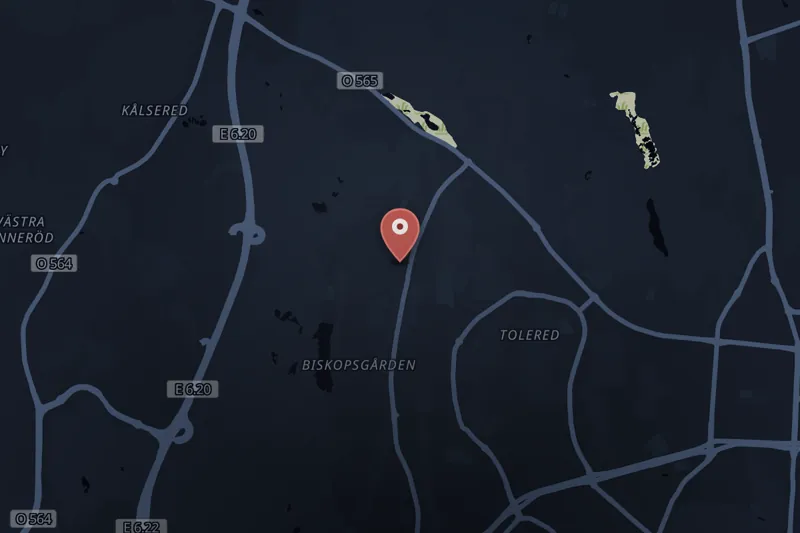
Elin Krantz, a 27-year-old woman from Falköping, Sweden, was killed in the Biskopsgården district of Gothenburg on 26 September 2010. Krantz, born 16 August 1983, had spent the evening out in Gothenburg's nightlife with a friend and was taking the tram home when the friend got off. CCTV footage showed that after her friend left the tram, Krantz was approached and followed by a man who attempted to rape her and then beat her to death. Her body was found in Biskopsgården the next day.
Two days after the killing, on 28 September 2010, plainclothes police arrested Ephrem Tadele Yohannes, a 23-year-old Ethiopian citizen with a Swedish residence permit, at Gothenburg Central Station. Yohannes was stopped because his clothing and appearance resembled the man captured on security-camera footage. Forensic testing found Krantz's DNA on his clothing and his DNA on her body.
Yohannes was convicted of Krantz's murder and attempted rape and sentenced to 16 years in prison, with deportation to follow his release. He appealed the verdict to the Hovrätt (Court of Appeal), maintaining his innocence; at the appellate hearing the prosecution argued for a life sentence and a conviction for aggravated sexual assault. During the proceedings, it was reported that Yohannes's wife and children had left Europe after receiving threats. In the autumn of 2011, the Court of Appeal upheld the original conviction and sentence. Krantz's parents and her five siblings were awarded roughly €60,000 in criminal damages.
Yohannes was first held at Norrtäljeanstalten, a high-security prison in Norrtälje, and was later transferred to Salbergaanstalten prison in Sala after attacking a fellow inmate; he has received multiple warnings for inappropriate behavior while incarcerated. Krantz was buried at Sankt Olof kyrkogård in her hometown of Falköping. In October 2010, more than 1,000 people gathered in Biskopsgården to commemorate her and to protest the violence.


 SOLVEDListen