Overview
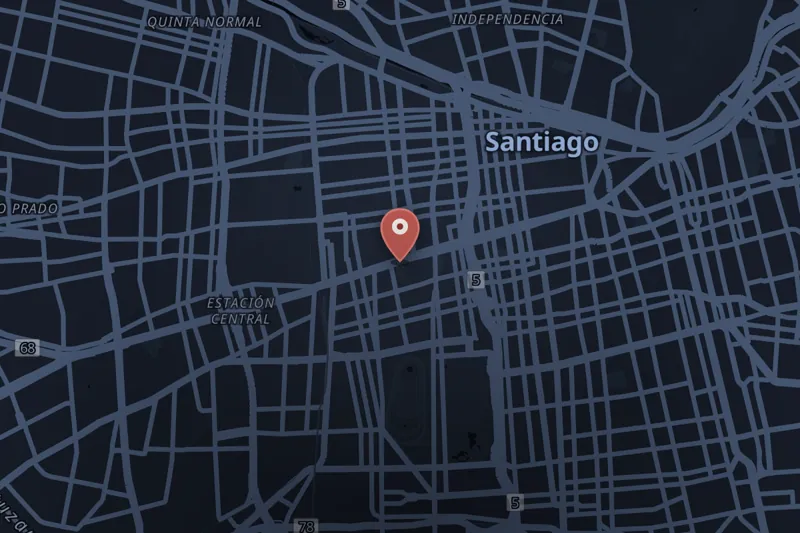
Hans Hernán Pozo Vergara (born 2 July 1985) was a young man from Santiago, Chile, whose dismembered remains were discovered across several sites in the southern part of the capital in late March and early April 2006. The case became widely known in Chile as "El Descuartizado de Puente Alto" ("Puente Alto's Dismembered Man").
Discovery of Remains
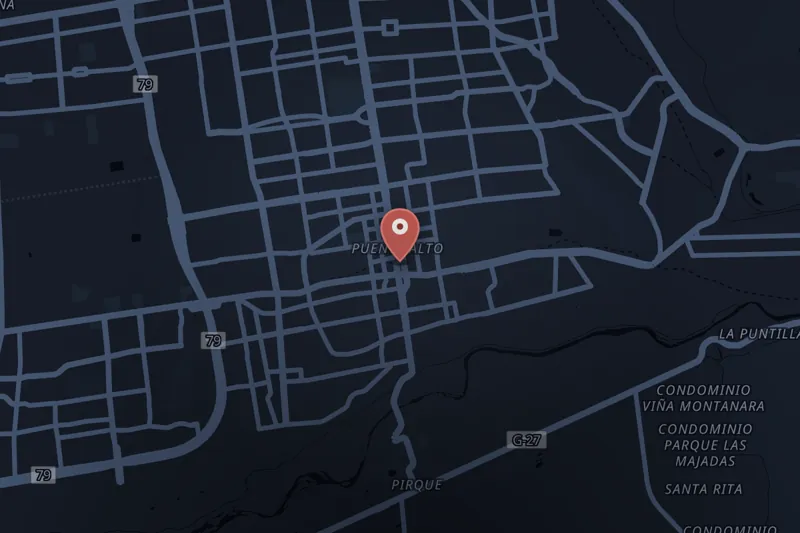
On 27 March 2006, human remains were discovered in the Puente Alto commune. Over the following days, police recovered further remains at several sites across Puente Alto and San Bernardo, the last on 3 April. Genetic testing confirmed they all belonged to a single person.
Identification
Because standard fingerprint and DNA-relative checks initially failed, investigators used a distinctive tattoo to canvass Chilean prisons; an inmate recognized the design from a former cellmate. On 6 April 2006, police confirmed the victim's identity as Hans Hernán Pozo Vergara, born in Independencia on 2 July 1985, with a last known residence in San Ramón. Press reporting following identification described Pozo as having a young daughter, a criminal record for theft and robbery, a history of drug addiction, and involvement in sex work near Plaza de Armas; he had been abandoned by his mother as a child and raised through orphanages and a relative before ending up on the street due to drug use.
Investigation and the Prime Suspect
Interviews with men who had shared a shelter with Pozo before his death repeatedly raised the surname "Martínez." Forensic entomology indicated the remains had been refrigerated in an industrial-sized unit before disposal, leading investigators to 41-year-old Jorge Iván Martínez Arévalo, who owned an ice cream parlor near the shelter. On 8 April 2006, police (OS9) went to question Martínez; according to Carabineros, he fled to his bedroom and fatally shot himself. His family disputed this account, alleging police shot him. A twenty-page suicide note found afterward described Martínez's belief that Pozo was his biological son and that Pozo had been extorting him; a paternity test later ruled out any biological relationship. Blood evidence matching Pozo was later found at Martínez's ice cream parlor and in his van.
Outcome
In 2007, the South Prosecutor's Office concluded that Martínez was responsible for Pozo's murder and dismemberment. A military court determined Martínez's death was a self-inflicted gunshot wound, rejecting family claims of police involvement. In 2007, a further complaint was filed against Martínez's brother alleging involvement in the crime. In 2013, prosecutors requested dismissal of the case after failing to establish that Martínez acted with an accomplice, which the court granted.
Legacy
Pozo's case drew significant cultural attention in Chile, inspiring books, a play, a docufiction film, visual art, and poetry, and led to the creation of a public shrine near one discovery site.

 OVERTURNEDListen