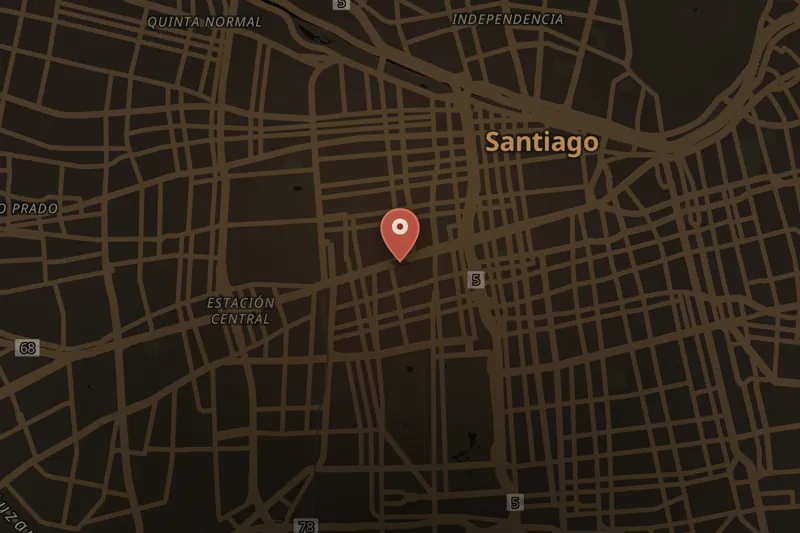
The Seguro Obrero massacre took place on 5 September 1938 in Santiago, Chile, during a heated three-way presidential campaign between Gustavo Ross Santa María, Pedro Aguirre Cerda, and Carlos Ibáñez del Campo, with elections scheduled for 25 October 1938. The National Socialist Movement of Chile (MNSCh), known as Nacistas, supported Ibáñez's candidacy, which had been announced the day before the events. The Nacistas, a political movement with early ties to Germany's Nazi Party but which had grown apart from it by the 1930s, maintained a paramilitary wing called the Tropas Nacistas de Asalto and sought to preempt a Ross victory through a coup intended to remove President Arturo Alessandri Palma's government and install Ibáñez.
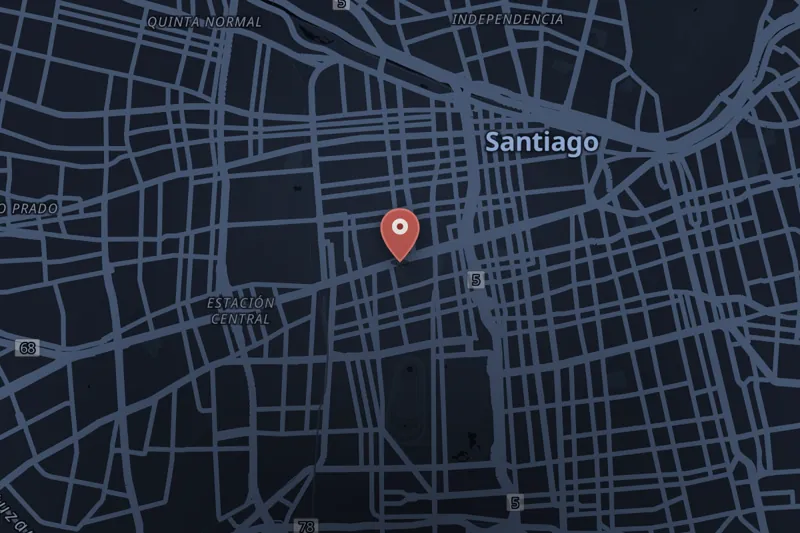
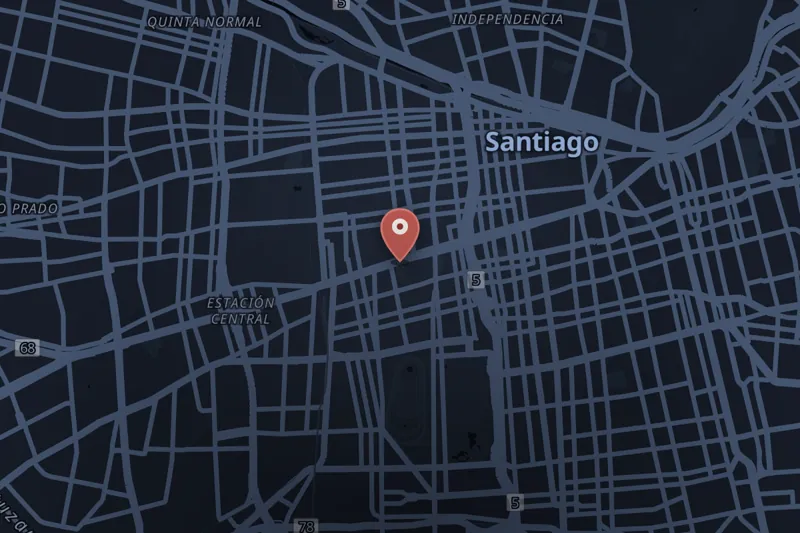
At around 12:30 on 5 September 1938, approximately 30 armed Nacista youths occupied the Seguro Obrero building. A carabinero on watch, José Luis Salazar, was shot and mortally wounded by a Nacista member after he prepared to respond to the group. Carabineros then arrived and exchanged heavy fire with the occupiers; a Nacista youth, Gerald Gallmeyer, was killed in the exchange. The remaining Nacistas retreated to the building's top floor, disabled the elevators, and barricaded themselves in. Separately, another 32 Nacista youths occupied the central building of the University of Chile. A carabinero assault there beginning at 02:00 caught the group by surprise; those who surrendered were marched to the Seguro Obrero building and told the coup attempt had failed. They were sent inside to persuade their companions to surrender, under an assurance that their lives would be spared, and the occupiers agreed to lay down their arms.
According to a reporter hiding in the building's basement during the standoff, carabineros then broke this promise, opening fire on the Nacistas before they had even exited the building. Officers reportedly moved room to room executing those who had already surrendered and laid down their weapons, lining them against walls and shooting them, with bodies and faces reportedly mutilated with sabers and bayonets afterward. In total, 59 Nacistas were killed, with only four managing to escape. Two Seguro Obrero employees, one described as a high-ranking official, were also shot dead by carabineros under circumstances described as unclear.
The question of responsibility for ordering the executions remains debated. Some accounts hold that President Alessandri, angered by the coup attempt, ordered Carabinero General Arriagada to eliminate the Nacista threat by a set deadline or face military intervention; historian Marcus Klein, in La Matanza del Seguro Obrero, is cited as concluding — a view accepted by many historians — that Alessandri gave the execution order, though Alessandri denied this until his death, maintaining he had only instructed Arriagada to restore order by whatever means necessary. The failed coup contributed to Ibáñez withdrawing from the presidential race, and Aguirre Cerda subsequently won the election by a narrow margin.

 OVERTURNEDListen