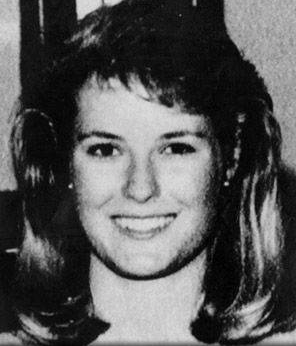
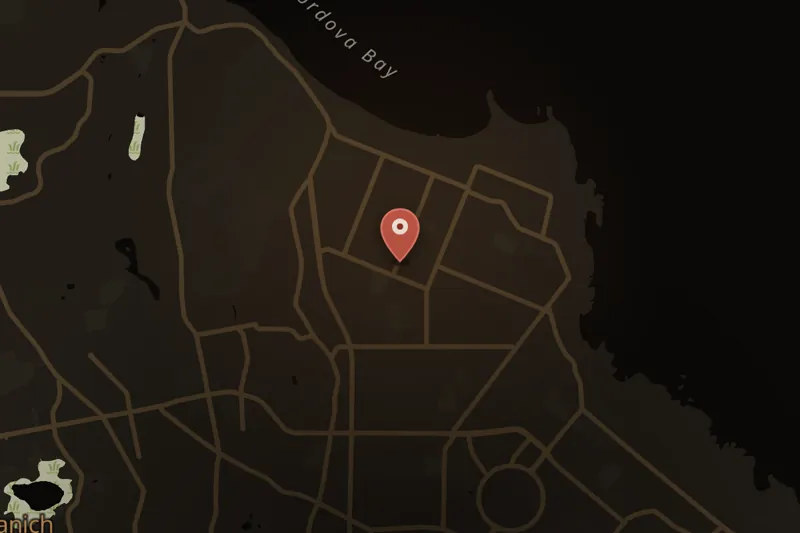
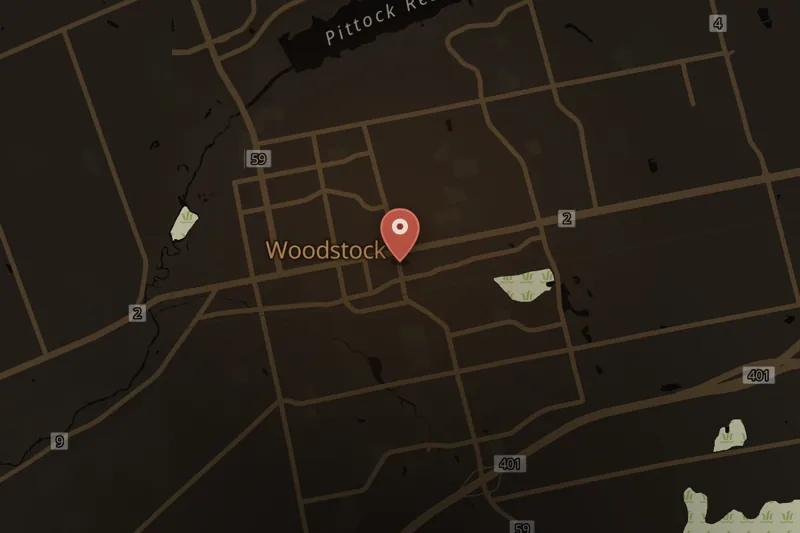
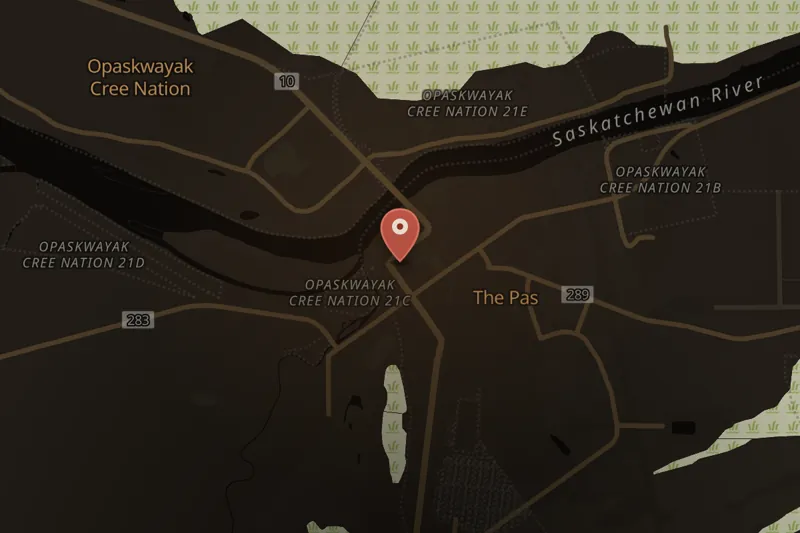
Helen Betty Osborne was a 19-year-old Cree student from the Norway House Cree Nation in northern Manitoba. Born in 1952, she was the eldest of ten children and left her home community to continue her schooling, as there was no secondary school in Norway House at the time. She boarded in the town of The Pas and attended Margaret Barbour Collegiate, hoping to become a teacher.
On the night of November 12, 1971, she spent time with friends in town. Walking alone in the early morning hours of November 13, she was forced into a car by four men, taken outside the town, sexually assaulted, and killed. Her body was found later that morning near Clearwater Lake.
For years the investigation produced no charges, even though the identities of those responsible were the subject of local knowledge. An anonymous letter sent to the Royal Canadian Mounted Police in May 1972 named several of the men, and physical evidence was recovered from a vehicle used that night, but the case remained unresolved. It was only after investigators renewed their efforts in the mid-1980s, appealing publicly for witnesses, that the case moved toward trial, sixteen years after Osborne's death.
The matter came to trial in December 1987. Dwayne Archie Johnston was convicted of second-degree murder and sentenced to life imprisonment, with parole eligibility set at ten years; his later appeals were dismissed. James Robert Paul Houghton was tried and acquitted. Lee Scott Colgan, who had been charged, was granted immunity from prosecution in exchange for his testimony. A fourth man was never charged.
The length of the delay and the conduct of the investigation drew sustained public criticism and led the Manitoba government to establish the Aboriginal Justice Inquiry, formally the Public Inquiry into the Administration of Justice and Aboriginal People. Examining Osborne's case alongside broader questions about the treatment of Indigenous people, the inquiry's commissioners concluded that racism, sexism, and indifference were central to how the case had been handled. Their 1991 report became a landmark document in Canada's reckoning with the justice system's treatment of Indigenous people.
In the years that followed, the province issued a formal apology for the failures in the case, and the Royal Canadian Mounted Police closed the file. Osborne's family and community have worked to preserve her memory; a school in Norway House, the Helen Betty Osborne Ininiw Education Resource Centre, was named in her honour so that Indigenous children could continue their education within their own community. Her death is widely referenced in Canadian discussion of missing and murdered Indigenous women and girls, and remains a reference point in ongoing calls for accountability and reform.


 Credit: Jgb23CC BY-SA 4.0SourceSOLVEDListen