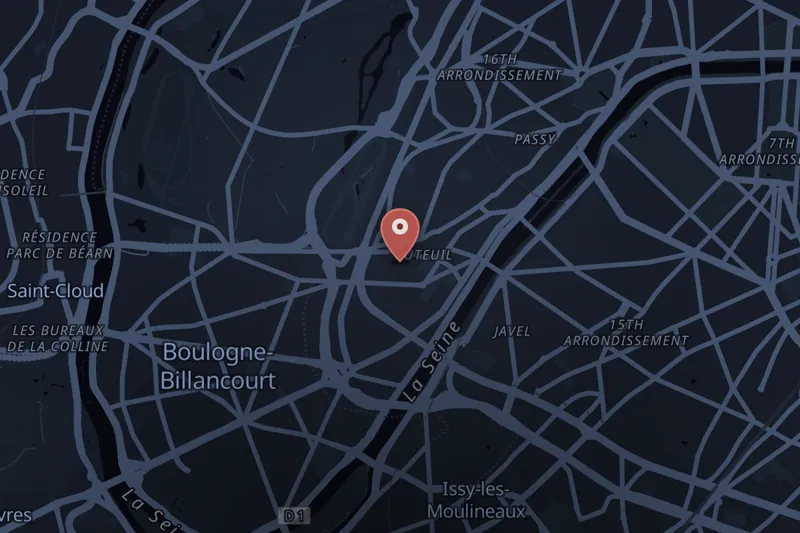
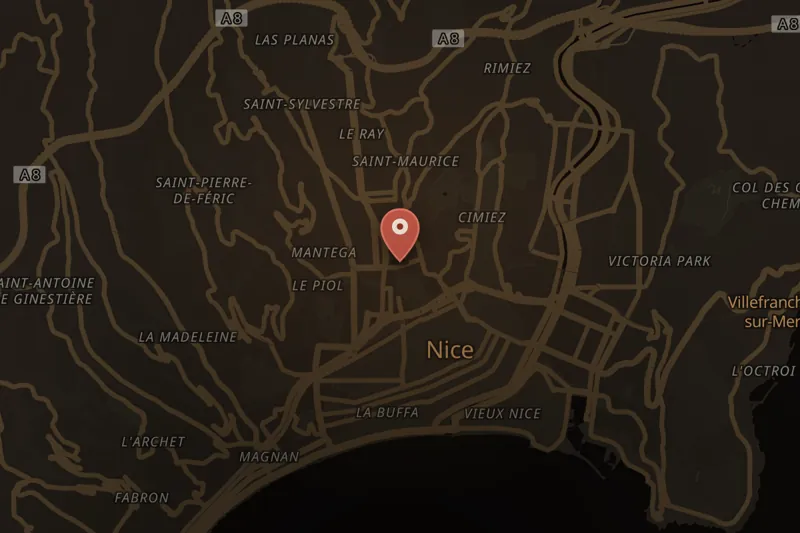
Ilan Halimi was a 23-year-old mobile phone salesman living in Paris with his divorced mother and two sisters. On 20 January 2006, one of the perpetrators, Sorour Arbabzadeh (known as "Yalda" or "Emma"), a 17-year-old of French-Iranian origin, approached him at the shop where he worked and obtained his phone number. She later lured him to an apartment block in the Parisian banlieues under the pretense of a drink, where he was ambushed and held captive by the group, which called itself the Gang of Barbarians.
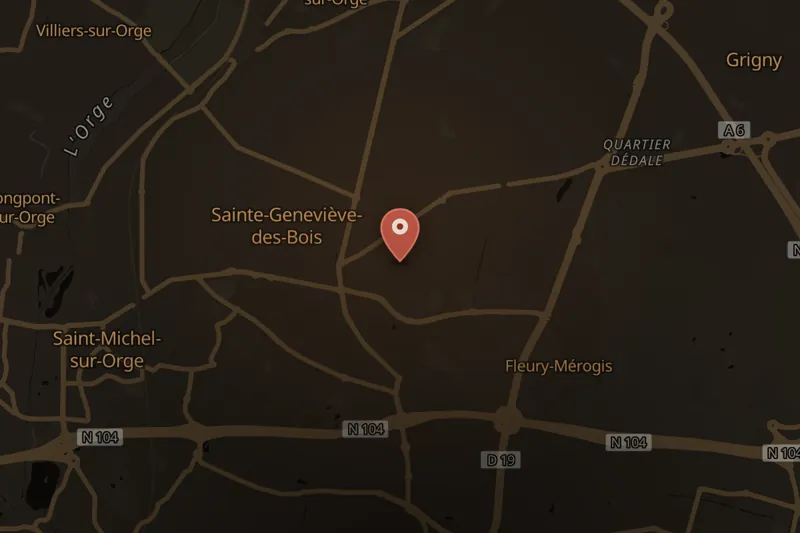
Halimi's family received threatening photos and video messages demanding a ransom, initially set at €450,000 and later reduced as the abductors grew anxious about police and media attention. During the roughly three-week captivity, the gang's leader, Youssouf Fofana, was briefly questioned by police but released for lack of evidence, and he was able to travel to and from Ivory Coast. On 13 February 2006, Halimi, severely tortured, burned, and unclothed, was found by a passer-by near a road in Sainte-Geneviève-des-Bois; he died of his injuries en route to the hospital.
Following a public appeal, a woman referred to as "Audrey L." surrendered to police and identified the Barbarians gang, leading to the arrest of 15 people. Fofana and Arbabzadeh had fled to Ivory Coast and were arrested in Abidjan on 23 February 2006, then extradited to France on 4 March 2006. Investigators determined that more than 20 people had taken part directly or indirectly in the kidnapping, and that gang members had confessed, according to then-Interior Minister Nicolas Sarkozy, to believing that all Jewish people are wealthy, which motivated their targeting of Halimi and other Jews.
French police faced criticism for initially discounting antisemitism as a motive, a stance that Halimi's mother, Ruth Halimi, later argued in her 2009 book "24 jours: la vérité sur la mort d'Ilan Halimi" had hampered the investigation and contributed to a failure to anticipate the danger to her son.
A total of 27 people were tried in 2009 for kidnapping and murder in a closed-door trial lasting ten weeks, given that two suspects were minors. On 10 July 2009, one person was acquitted (other accounts say three) and the rest were convicted. Fofana received a life sentence with a minimum of 22 years before parole eligibility; Arbabzadeh received nine years; other close associates received sentences ranging from 8 months to 18 years. Fofana did not appeal, but prosecutors appealed 14 of the 27 verdicts, and a retrial ran from 25 October 2010 to 17 December 2010, upholding all convictions and extending some sentences. In 2017, a Paris court sentenced Fofana to an additional 10 years for other extortions.
The case drew large-scale public reaction in France, including a demonstration against racism and antisemitism in Paris on 26 February 2006 attended by tens of thousands of people and prominent political and religious figures. It also drew international attention, including a briefing held by the U.S. Helsinki Commission in Washington. Halimi was reburied in Jerusalem's Har HaMenuchot cemetery in 2007, and memorial gardens and trees have since been dedicated to him in Jerusalem and Paris-area locations, some of which have been vandalized.


 SOLVEDListen