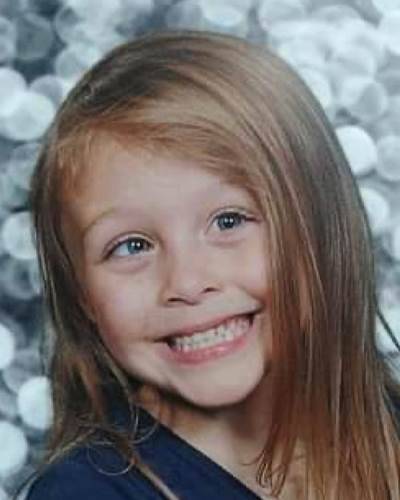
José Luis Cerda Meléndez, a Mexican television personality, and Luis Emanuel Ruiz Carrillo, a journalism student, were abducted and killed in Monterrey, Nuevo León, Mexico, in March 2011, along with Cerda's cousin Juan Roberto Gómez. Cerda, born around 1978, was known nationally as "La Gata" on the Televisa program El Club, where he performed a comedy routine built around the stereotype of a gang member alongside his partner, Oscar Burgos. Ruiz, born around 1991, was a 21-year-old communications student at the Universidad Metropolitana de Monclova who worked as a photographer for La Prensa de Monclova and as a cameraman for Channel 4 in Monclova; in 2010 he had received the State Student Award for his photography.
Before his television career, Cerda was a former gang member and drug user who had begun using drugs at age 10. He entered a halfway house at 30 and, after completing treatment, moved into entertainment, having previously worked as a bricklayer. As "La Gata," he portrayed a stereotype associated with the cartel Los Zetas, including using a hand gesture linked to the group.
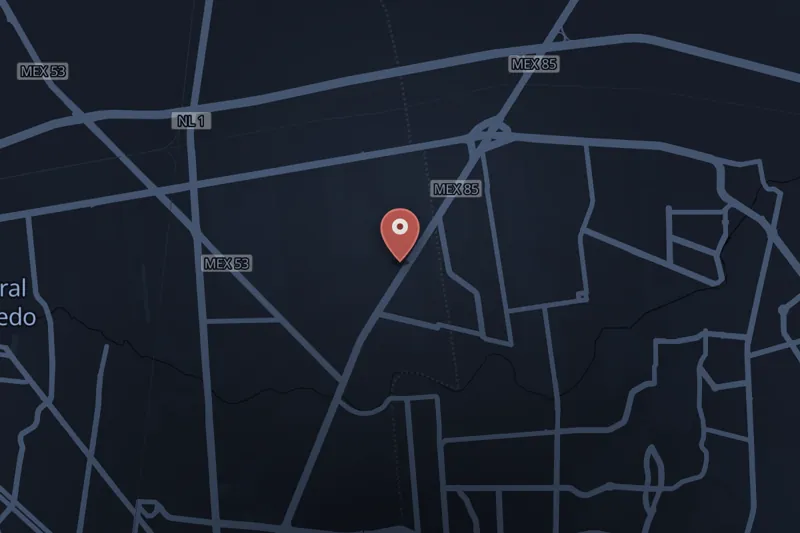
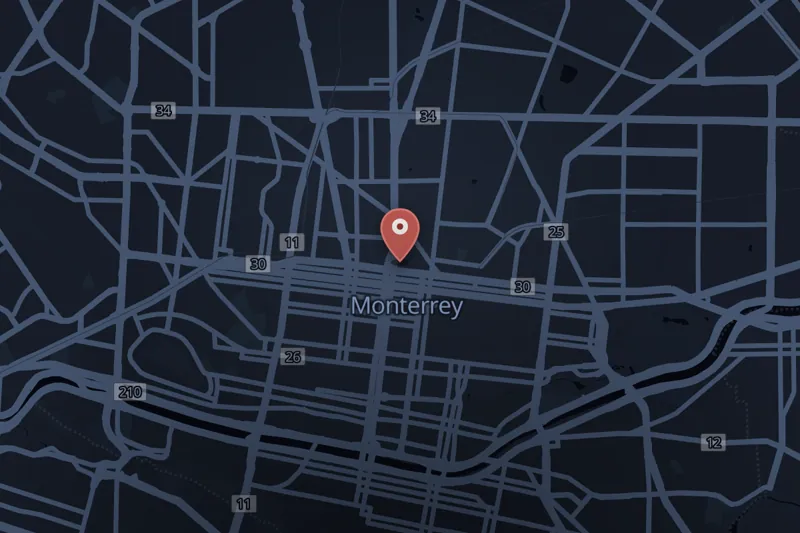
On 24 March 2011, around 8:30 p.m., Cerda was walking a block to his car after taping a program at Televisa's studios in Monterrey. He was with Gómez and with Ruiz, who had traveled from Monclova, Coahuila, on assignment for La Prensa de Monclova to interview and photograph Cerda and Burgos for a story about recovering from addiction. At the intersection of Ignacio López Rayón and Albino Espinoza, armed men with covered faces forced the three into a Suburban SUV; they were missing for 11 hours. The following morning, Cerda's body was found along Bulevar Miguel de la Madrid in Guadalupe, Nuevo León, with his hands bound and a gunshot wound to the head. A sign left near the body read, "Stop cooperating with Los Zetas. Signed DCG. Greetings architect No. 1." While television crews, including Televisa, broadcast live from the scene, armed men arrived in a vehicle and removed Cerda's body while police present did not intervene, taking it to Fundidora Park, where Cerda had earlier called for a march for peace against violence in Nuevo León. Around the same time, police were led to the bodies of Ruiz and Gómez, found on a country road about six kilometers away with multiple gunshot wounds.
According to the Wikipedia account of the case, the killings were attributed to a symbolic connection between Cerda's on-screen persona and Los Zetas, which had become a target of rival cartels for control of territory. No individual is identified as a suspect, and no charges or convictions are described. Ruiz's editor described him as an innocent bystander; Freedom House counted him among eight media-related victims of drug-war violence in 2011, following ten journalist killings the previous year.
The killings coincided with a shift in Mexican media coverage of organized crime. In March 2011, a coalition of outlets led by Televisa signed the "Agreement for News Coverage of Violence," intended to present a unified editorial approach to cartel-related reporting so that individual journalists would not be targeted over personal coverage decisions. Some organizations, including Reforma, La Jornada, and Proceso, declined to sign, and Reporters Without Borders said the agreement conflicted with its press-freedom standards. Jesús Medina, Ruiz's editor at La Prensa de Monclova, said of him: "There was so much ahead for him. He had a personal quality and a professional quality that made him stand out." The Committee to Protect Journalists called on Mexican authorities to "launch an exhaustive investigation into this brutal attack and work to reverse the pattern of impunity in journalist killings."

 Credit: Unknown authorPublic domainSourceSOLVEDListen