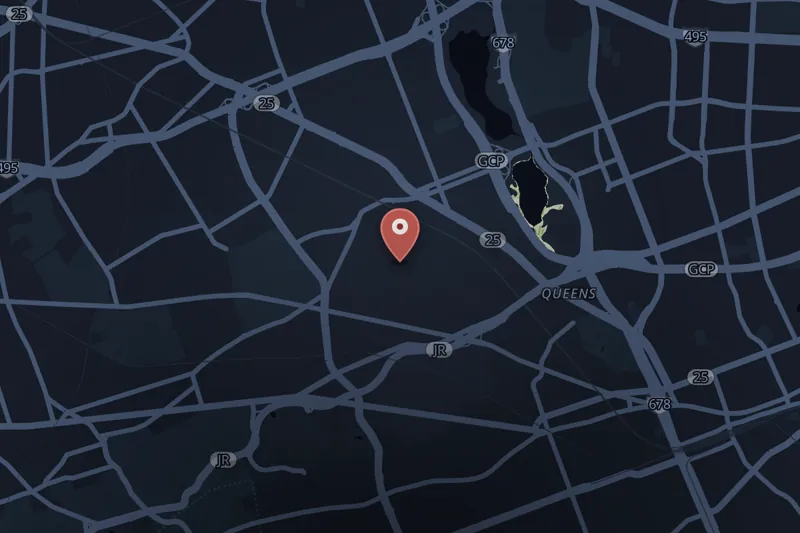
Julio Rivera was a 29-year-old bartender who worked at the Magic Touch, a gay bar in Jackson Heights, Queens. Rivera had been raised in the Bronx but moved to Jackson Heights as a young adult, reportedly seeking to avoid violence he had experienced growing up.
On the night of July 2, 1990, three men cornered Rivera in a schoolyard in Jackson Heights that was known locally as a gay cruising area. According to the sourced account, the men beat him with a hammer and a beer bottle and then stabbed him. He died as a result of the attack.
Initially, police categorized the assault as drug-related, citing Rivera's history as a longtime cocaine user and the presence of traces of cocaine found on his body. Rivera's friends and relatives advocated for further examination of the case, after which the NYPD concluded that the killing had in fact been motivated by anti-gay bias. Three men were subsequently charged with murder and manslaughter in connection with Rivera's death.
The killing had a significant galvanizing effect on the LGBTQ community in Queens. It is described as marking the beginning of a broader LGBTQ movement in the borough, prompting a candlelight vigil, the formation of several LGBTQ activist groups, and the founding of the Queens Pride Parade. The resulting organizing also contributed to the creation of the Gay and Lesbian Anti-Violence Project, a social services agency that monitors criminal acts against the LGBTQ community citywide; Rivera's sister-in-law was elected to the AVP's board. Advocacy connected to the case is also credited with helping to improve relations between the NYPD and Jackson Heights' LGBTQ community.
In 2000, the corner of 78th Street and 37th Avenue in Jackson Heights — the location where Rivera was killed — was renamed in his memory. A documentary titled "Julio of Jackson Heights" was also made about his murder.


 Credit: No machine-readable author provided. Lt. CiberShark~commonswiki assumed (based on…Public domainSourceUNSOLVEDListen