Start here
The Tragic Unsolved Murder Of Jill Dando

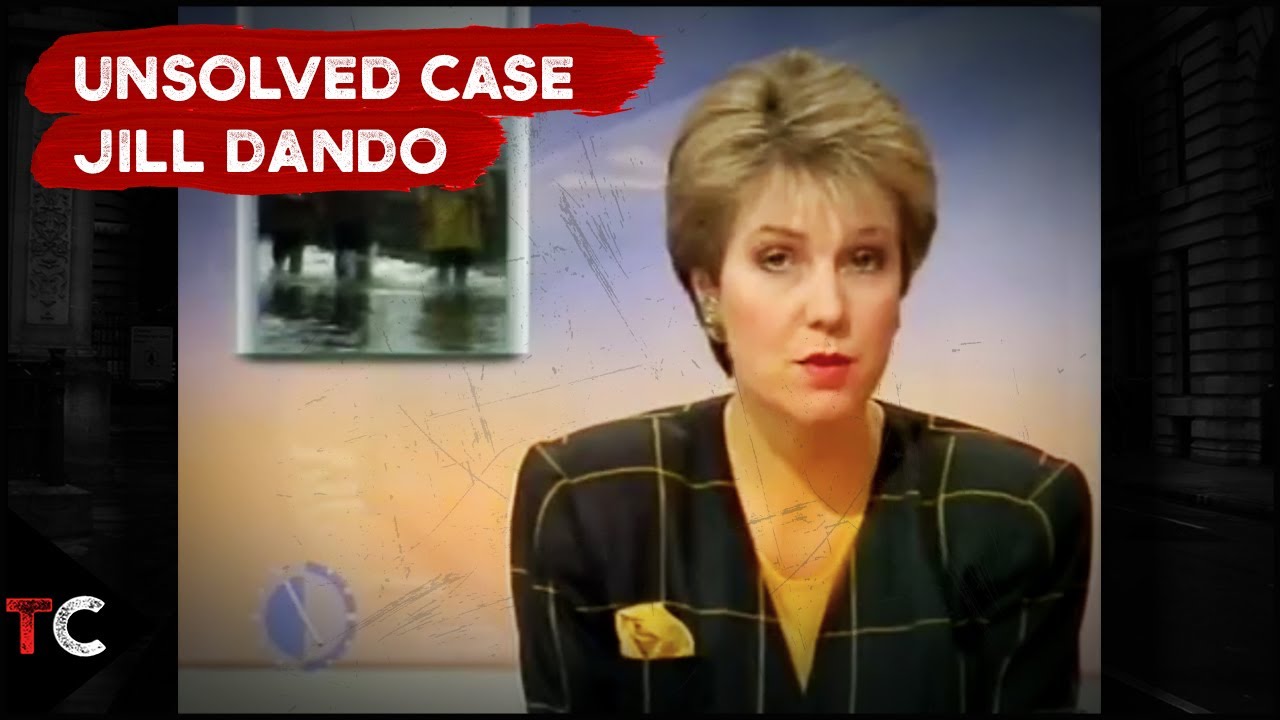
Kendall Rae's 24-minute breakdown, the fullest single telling on file.
Watch on YouTubeUnsolved case · 1990s
 Jill DandoCredit: Via WikipediaEditorial useSource
The short answer
English television presenter Jill Dando was shot dead outside her London home in 1999, and the case remains unsolved.
The Tragic Unsolved Murder Of Jill DandoKendall Rae · 24 min4 pieces from 4 creators: ranked, with duplicates removed and short clips set aside.
Start here
Kendall Rae's 24-minute breakdown, the fullest single telling on file.
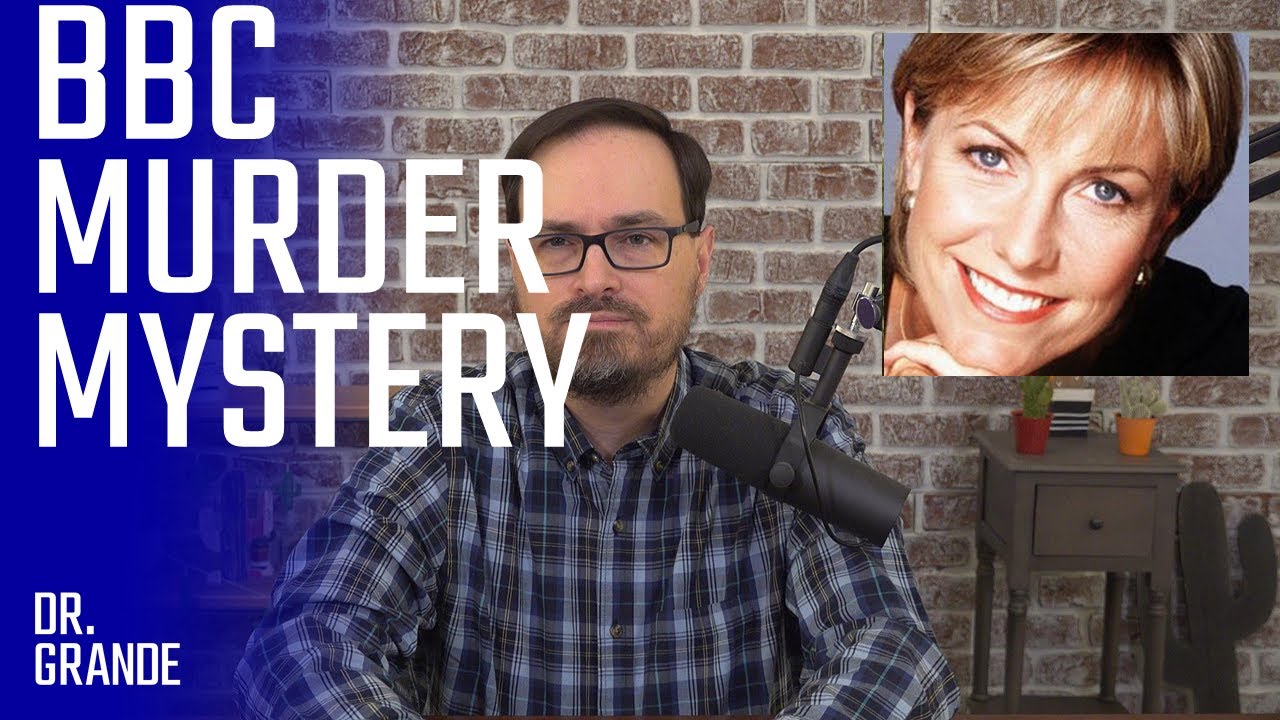
Watch on YouTubeBroad Daylight Murder of Television Presenter | Jill Dando Case Analysis
 Dr. Todd GrandeVideo · YouTube · 14 min · 2022
Titles and descriptions are the creators’ own and may not reflect current legal status. The sourced facts are in the file below. Players load only when you press play. Suggest coverage we’re missing.
Jill Wendy Dando (9 November 1961 - 26 April 1999) was an English journalist, television presenter and newsreader who spent most of her career at the BBC. She was the corporation's 1997 Personality of the Year and, at the time of her death, co-presented the BBC One crime-appeal programme Crimewatch.
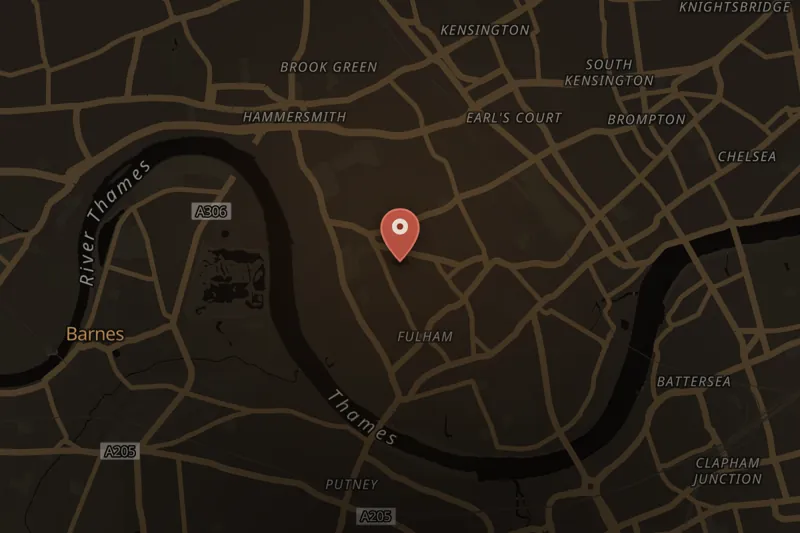
On the morning of 26 April 1999, Dando drove alone to a house she owned on Gowan Avenue in Fulham, southwest London, to collect documents. As she reached her front door at about 11:32 BST, she was shot once in the head. Neighbours found her and called police at 11:47, and she was taken to the nearby Charing Cross Hospital, where she was declared dead on arrival at 13:03. She was 37 years old.
Forensic examination indicated that she had been shot at close range with a 9mm Short semi-automatic pistol held against her head. Ballistics tests found that the bullet had been fired from a smooth, unrifled barrel, indicating the weapon was almost certainly a blank-firing pistol that had been illegally modified to fire live ammunition. The cartridge appeared to have been altered, possibly to reduce its charge.
The Metropolitan Police inquiry, named Operation Oxborough, became one of the force's largest investigations. Within six months, officers had spoken to more than 2,500 people and taken over 1,000 statements. Investigators examined numerous possibilities, including a former partner, a contract killing linked to Crimewatch appeals, a fixated stranger, and mistaken identity, as well as a theory later raised at trial that the killing was ordered in retaliation for NATO's 1999 bombing campaign in Serbia. Most of these lines of inquiry were ruled out.
With little progress after a year, attention turned to a local man, Barry George, who lived near Dando's home and had a documented history of stalking and other offences. He was arrested on 25 May 2000 and charged three days later. His trial at the Old Bailey began in May 2001, and on 2 July 2001 he was convicted by a 10 to 1 majority verdict and given a mandatory life sentence.
The conviction drew sustained concern that the evidence against George was thin. After firearm-discharge-residue evidence central to the prosecution was later discredited and excluded, his conviction was quashed in November 2007. A retrial followed, and on 1 August 2008 he was acquitted. No other person has been charged, and the case remains unsolved; cold-case reviews after 2008 characterised the killing as a "hard contact execution."
In Dando's memory, the Jill Dando Institute of Crime Science was founded at University College London on 26 April 2001, the second anniversary of her death.
Jill Dando is shot dead as she reaches the front door of her home on Gowan Avenue, Fulham, in southwest London.
Barry George is arrested by the Metropolitan Police.
Barry George is charged with Dando's murder.
The Jill Dando Institute of Crime Science is founded at University College London.
Barry George is convicted by a majority verdict at the Old Bailey and given a mandatory life sentence.
George's conviction is quashed after discredited firearm-discharge-residue evidence is excluded.
George is acquitted at a retrial; no other person has been charged and the case remains unsolved.
Victims first. Every legal label is set from public records and court outcomes, not from the prose.
Coverage is not a source: every fact in this file rests on the records below.
Are you family of someone named in this file? Corrections and removal requests from victims’ families are prioritized.
 SOLVEDListen
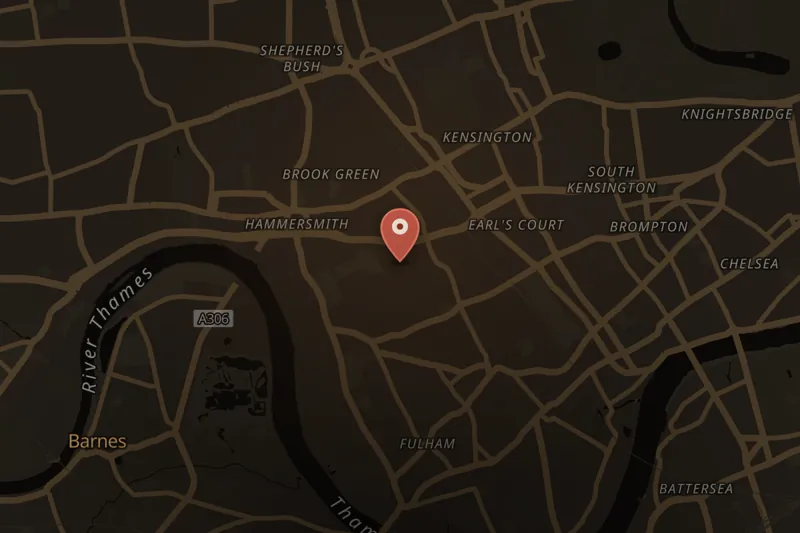
Junction of Charleville Road and Gledstanes Road, West Kensington, London · 1970s
Off-duty PC Stephen Tibble was fatally shot in West Kensington, London, on 26 February 1975 while trying to stop a fleeing suspect who turned out to be Provisional IRA member Liam Quinn. Quinn was convicted of murder in 1988 after a lengthy extradition battle and was released in 1999 under the Good Friday Agreement.
 Credit: Via WikipediaEditorial useSourceCOLDListen
Shorrolds Road, Fulham, West London · 1980s
Estate agent Suzy Lamplugh, 25, vanished in Fulham, West London, on 28 July 1986 after going to meet a client known only as "Mr Kipper." Despite an extensive investigation, her body has never been found; she was declared legally dead, presumed murdered, in 1993. Convicted murderer John Cannan was named by police as the prime suspect in 2002, but the Crown Prosecution Service concluded there was insufficient evidence to charge him.
 SOLVEDListen
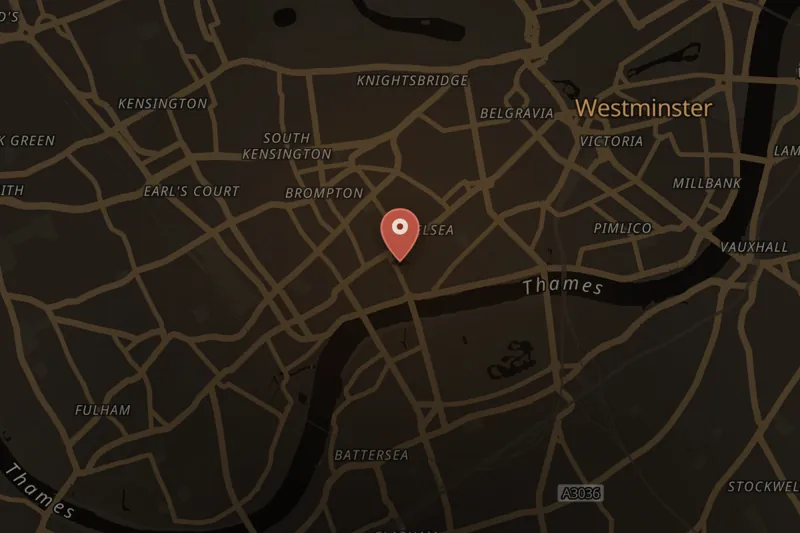
Upper Cheyne Row, Chelsea, Royal Borough of Kensington and Chelsea, London · 2000s
Financier John Monckton was murdered and his wife severely assaulted during a home invasion at their Chelsea house in November 2004; Damien Hanson, who was on probation after serving half of a 12-year sentence for attempted murder, was convicted of the murder alongside accomplice Elliot White.
 Credit: Woodlawn High SchoolEditorial useSourceSOLVEDListen
Leakin Park, Baltimore, Maryland · 1999
Hae Min Lee, an 18-year-old Baltimore County high school student, was strangled and found buried in Leakin Park in February 1999. Her ex-boyfriend Adnan Syed was convicted of first-degree murder in 2000; the case gained international attention after the 2014 podcast Serial, and Syed's conviction underwent multiple vacaturs, appeals, and reinstatements through 2025.
 Image recordEditorial useSourceSOLVEDListen
California Polytechnic State University (Cal Poly), San Luis Obispo, California · 1996
Kristin Smart, a 19-year-old Cal Poly San Luis Obispo student, disappeared in the early hours of May 25, 1996, after leaving an off-campus party with fellow student Paul Flores, the last person known to have seen her. Flores was convicted of her murder in 2022 and his conviction was upheld on appeal; Smart's remains have never been recovered.
 Image recordCC BY-SA 2.0SourceSOLVEDListen
Gilgo Beach / Ocean Parkway, Long Island, New York · 1993
Between 1993 and 2010, at least eleven people were killed on Long Island, New York, with remains of ten victims discovered near Gilgo Beach in late 2010 and 2011 during a search for missing woman Shannan Gilbert. In 2023–2024, Manhattan architectural consultant Rex Heuermann was charged with seven of the murders; in April 2026 he pleaded guilty to those seven and admitted to an eighth, and in June 2026 he was sentenced to life without parole.
 Credit: English WikipediaEditorial useSourceSOLVEDListen
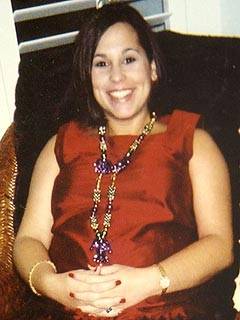
Modesto, California · 2002
Laci Peterson, 27 and eight months pregnant, disappeared from her Modesto, California home on December 24, 2002; her body and that of her unborn son Conner were found in San Francisco Bay in April 2003, and her husband Scott Peterson was convicted in 2004 of murdering both.
 Credit: Family/Instagram photograph, widely distributed in press coverageEditorial useSourceSOLVEDListen
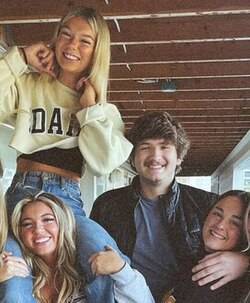
Moscow, Idaho · 2022
Four University of Idaho students—Madison Mogen, Kaylee Goncalves, Ethan Chapin, and Xana Kernodle—were fatally stabbed inside an off-campus house in Moscow, Idaho, in the early morning hours of November 13, 2022. Bryan Kohberger, a criminology PhD student at nearby Washington State University, was arrested that December and pleaded guilty in 2025, receiving four consecutive life sentences.
 Credit: English WikipediaEditorial useSourceSOLVEDListen
Delta, Fulton County, Ohio · 2016
Sierah Joughin, a 20-year-old Ohio college student, was abducted while bicycling home in Fulton County on July 19, 2016, and found dead three days later. James Dean Worley, a neighbor with a 1990 abduction conviction who was not listed in any offender database, was convicted of her murder in 2018 and sentenced to death, prompting Ohio's Sierah's Law, which created a searchable violent-offender registry.
 Credit: CBS News / Travis Alexander (personal photo)Editorial useSourceSOLVEDListen
Mesa, Arizona, United States · 2000s
Travis Alexander, 30, was stabbed, slashed, and shot to death in his Mesa, Arizona home on June 4, 2008. His ex-girlfriend, Jodi Arias, was convicted of first-degree murder in 2013 and sentenced to life without parole in 2015 after two juries deadlocked on the death penalty.
 Image recordEditorial useSourceSOLVEDListen
Austin, Texas · 2022
Moriah Wilson, a 25-year-old professional cyclist, was shot and killed at a friend's residence in Austin, Texas, on May 11, 2022, and Kaitlin Armstrong was later convicted and sentenced to 90 years in prison for the killing.
 Credit: Instagram/@gabspetito, widely distributed in press coverageEditorial useSourceSOLVEDListen
Bridger–Teton National Forest, Wyoming · 2021
Gabby Petito, a 22-year-old travel vlogger, was killed by strangulation and blunt-force trauma in August 2021 while on a cross-country van trip with her fiancé, Brian Laundrie. Laundrie returned to Florida alone, was named a person of interest, and later died by suicide, leaving a note admitting he had killed her.