Skip to content
Casepin

Solved case · 2008

Murder of Lakshmanananda Saraswati

Also known as Lakshmanananda Saraswati's murder · Lakshmanananda Saraswati murder

SOLVEDCONVICTED
Updated
Updated Jul 7, 2026
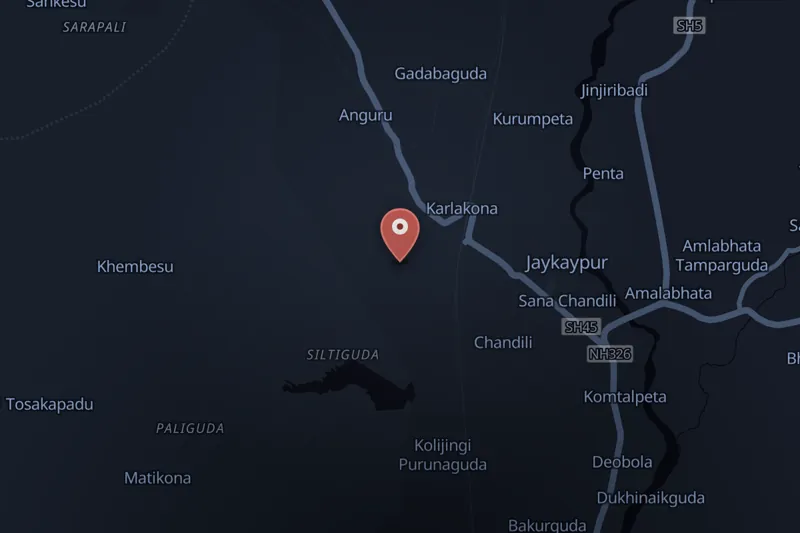
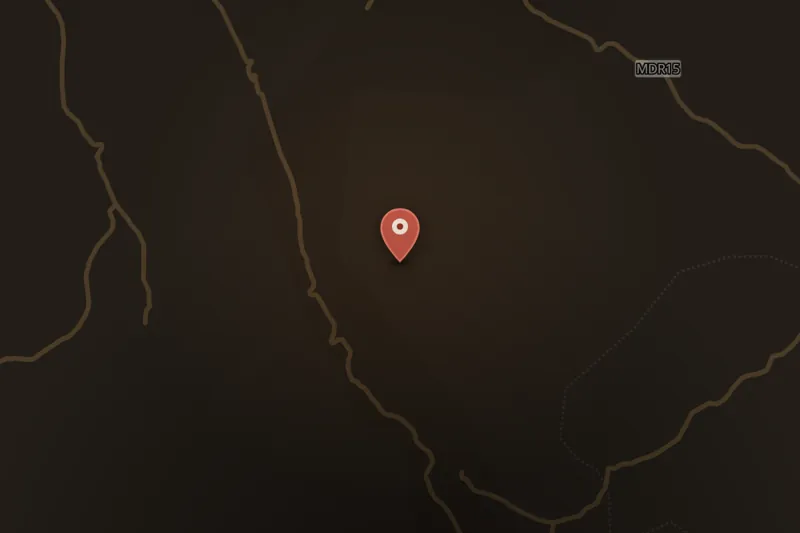
Kanya Ashram, Tumudibandh, Kandhamal district, Odisha, IndiaView on the map

The short answer

Murder of Lakshmanananda Saraswati in brief

Vishva Hindu Parishad leader Lakshmanananda Saraswati and four disciples were shot dead by an armed group at a girls' ashram in Kandhamal district, Odisha, on 23 August 2008, triggering widespread communal riots targeting Christians. A Maoist faction claimed responsibility, but in 2013 a court convicted seven Pano Catholics for the killings.

Key facts

Year
2008
Place
Kanya Ashram, Tumudibandh, Kandhamal district, Odisha, India
Status
SOLVEDSolved
Victims
Amritananda Baba, Mata Bhaktimayee, Puranjan Ganthi, Kishore Baba and Lakshmanananda Saraswati
Outcome
Convicted: Bhaskar Sunamajhi, Duryadhan Sunamajhi, Bijaya Kumar Shyamseth, Sanatan Badamajhi, Munda Badamajhi, Buddha Nayak and Gadanath Chalanseth

The coverage index

Where to watch & listen

No one's coverage is attached to this file yet.

Know great coverage of this case?

A documentary, a podcast episode, a careful long-form video. Suggest it and an editor will review it before it appears here.

Suggest coverage for Murder of Lakshmanananda Saraswati

The case file

What happened

Lakshmanananda Saraswati, a leader of the Vishva Hindu Parishad (VHP) — a subsidiary of the Rashtriya Swayamsevak Sangh — was killed along with four of his disciples on 23 August 2008, during the Janmashtami festival, at the Kanya Ashram, a residential girls' school in Tumudibandh, Kandhamal district, Odisha. The ashram housed 130 girls at the time, many of whom were reported by The Indian Express to have witnessed the attack. A group of 30 to 40 armed men, four of them carrying AK-47s and others with locally made revolvers, surrounded the compound. Of the four government-provided security guards assigned to the ashram, two had left to eat and the remaining two were tied and gagged by the assailants.

The killing set off widespread civil disorder. As Saraswati's funeral procession passed through areas with Catholic populations, riots broke out and Catholics were targeted, including some who belonged to Scheduled Castes; Hindu supporters of the Indian National Congress were also attacked in some places. Participants in the violence reportedly included activists of the VHP, the Bajrang Dal, other Sangh Parivar organisations, and members of the Bharatiya Janata Party, then the ruling party in Odisha under Chief Minister Naveen Patnaik. The Kui Samaj, representing both Hindu and Protestant members of the Kondh tribal community, was allied with the groups involved in the attacks.

The investigation produced competing narratives. Police initially arrested a World Vision employee while he attempted to leave the district, and separately arrested two more men at the home of a local Catholic activist; both reportedly admitted joining a larger group of assailants. A letter purportedly from a Maoist unit denied central approval for the attack but suggested some Maoists may have been paid by Pano Catholics to carry it out. Maoist leader Azad subsequently claimed personal responsibility, and on 9 September 2008 the CPI (Maoist) issued an official statement claiming the killing, with leader Sabyasachi Panda stating the group carried out the attack at the Jalespeta ashram. In March 2009, police arrested a CPI (Maoist) Central Committee and Politburo member in connection with the case. A later police reconstruction, based on the account of a surrendered Maoist, described a six-member team led by Azad (alias Duna Keshav Rao) carrying out the killings after encountering four policemen who fled. Despite these claims, doubts about the official version persisted among some investigators and experts on left-wing extremism, who viewed the resolution of the case as disputed.

On 30 September 2013, an Additional District and Sessions Court in Phulbani, presided over by Judge Rajendra Kumar Tosh, convicted seven Pano Catholics for the murders: Gadanath Chalanseth, Bijaya Kumar Shyamseth, Buddha Nayak, Sanatan Badamajhi, Duryadhan Sunamajhi, Bhaskar Sunamajhi, and Munda Badamajhi. Days later, the same court acquitted five people tried for burning a Catholic house during the riots that followed the murder. Sajan George of the Global Council of Indian Christians alleged bias against Dalit Catholics, and defence lawyer S. K. Padhi indicated an appeal would be filed in the Odisha High Court.

6 dated entries · 2008–2013

Timeline

  1. Lakshmanananda Saraswati and four disciples are shot dead by an armed group at the Kanya Ashram in Tumudibandh, Kandhamal district, Odisha.

  2. A letter purportedly from a Maoist unit denies central party approval for the attack, while suggesting some Maoists may have been paid by Pano Catholics.

  3. CPI (Maoist) issues an official statement claiming responsibility for the killings of Saraswati and his disciples.

  4. Police arrest a CPI (Maoist) Central Committee and Politburo member in connection with the attack.

  5. An Additional District and Sessions Court in Phulbani convicts seven Pano Catholics for the murders.

  6. The same court acquits five people tried for burning a Catholic house during the post-murder riots.

12 named in this file

People

Victims first. Every legal label is set from public records and court outcomes, not from the prose.

  • Amritananda Baba

    VICTIM

    Disciple killed alongside Saraswati, aged 62[3]

  • Kishore Baba

    VICTIM

    Disciple killed alongside Saraswati, aged 45[3]

  • Lakshmanananda Saraswati

    VICTIM

    VHP leader killed at the Kanya Ashram on 23 August 2008[3]

  • Mata Bhaktimayee

    VICTIM

    Disciple killed alongside Saraswati, aged 40[3]

  • Puranjan Ganthi

    VICTIM

    Disciple killed alongside Saraswati, aged 28, brother of a girl inmate of the ashram[3]

  • Bhaskar Sunamajhi

    CONVICTED

    Convicted 30 September 2013 for the murders of Saraswati and his disciples[3]

  • Bijaya Kumar Shyamseth

    CONVICTED

    Convicted 30 September 2013 for the murders of Saraswati and his disciples[3]

  • Buddha Nayak

    CONVICTED

    Convicted 30 September 2013 for the murders of Saraswati and his disciples[3]

  • Duryadhan Sunamajhi

    CONVICTED

    Convicted 30 September 2013 for the murders of Saraswati and his disciples[3]

  • Gadanath Chalanseth

    CONVICTED

    Convicted 30 September 2013 for the murders of Saraswati and his disciples[3]

  • Munda Badamajhi

    CONVICTED

    Convicted 30 September 2013 for the murders of Saraswati and his disciples[3]

  • Sanatan Badamajhi

    CONVICTED

    Convicted 30 September 2013 for the murders of Saraswati and his disciples[3]

From the record

Quick answers

Who were convicted?
Bhaskar Sunamajhi: Convicted 30 September 2013 for the murders of Saraswati and his disciples Duryadhan Sunamajhi: Convicted 30 September 2013 for the murders of Saraswati and his disciples Bijaya Kumar Shyamseth: Convicted 30 September 2013 for the murders of Saraswati and his disciples Sanatan Badamajhi: Convicted 30 September 2013 for the murders of Saraswati and his disciples Munda Badamajhi: Convicted 30 September 2013 for the murders of Saraswati and his disciples Buddha Nayak: Convicted 30 September 2013 for the murders of Saraswati and his disciples Gadanath Chalanseth: Convicted 30 September 2013 for the murders of Saraswati and his disciples

3 cited

Sources

Coverage is not a source: every fact in this file rests on the records below.

  • 2 Press
  • 1 Encyclopedic
  1. Contemporaneous coverage — thehindu.com

    Pressthehindu.comAccessed Jul 7, 2026

  2. Contemporaneous coverage — indianexpress.com

    Pressindianexpress.comAccessed Jul 7, 2026

  3. Murder of Lakshmanananda Saraswati

    EncyclopedicWikipediaAccessed Jul 7, 2026

Trust

Record history

First published
Jul 7, 2026
Corrections
None

Are you family of someone named in this file? Corrections and removal requests from victims’ families are prioritized.