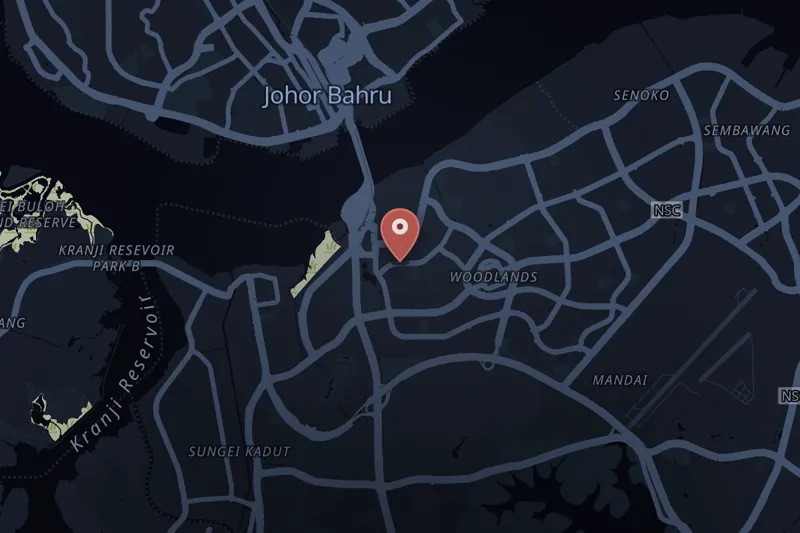
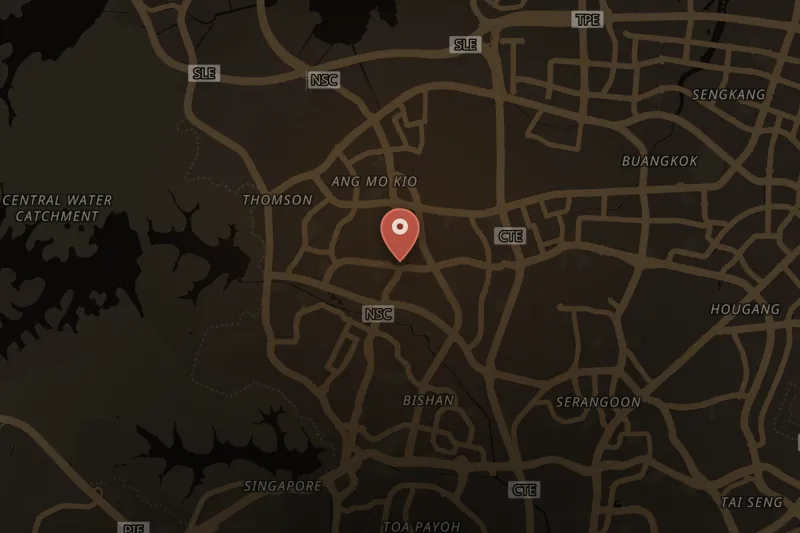
Liang Shan Shan, a 17-year-old Malaysian schoolgirl attending Mayflower Secondary School in Singapore, was reported missing on 2 October 1989 after she failed to return home from school. She had last been seen boarding her school bus around 1:00 PM that day, alone with the driver. Liang's family, who had immigrated from Sabah, Malaysia, six years earlier, reported her disappearance and offered a reward for information.
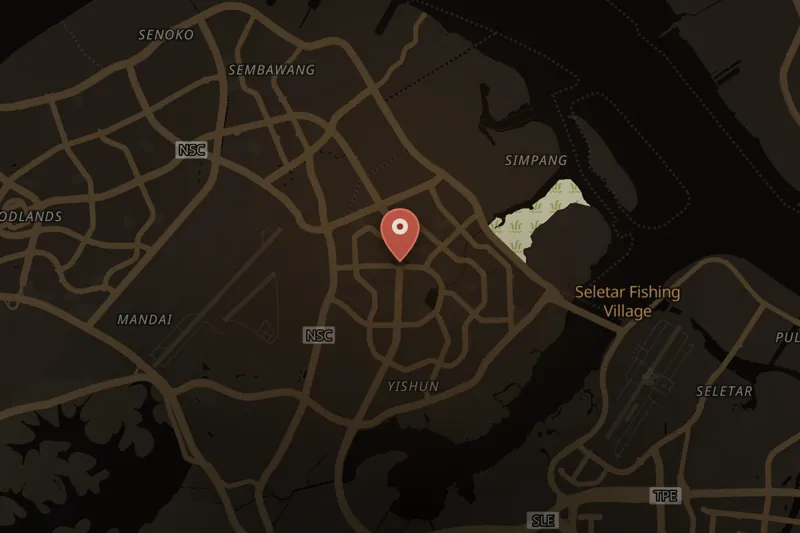
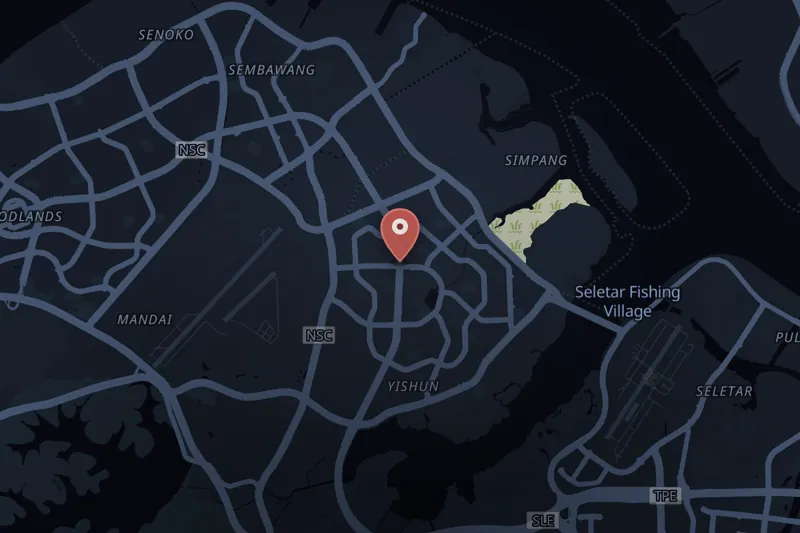
On 14 October 1989, twelve days after she went missing, a group of National Servicemen training at Yishun Industrial Park discovered her highly decomposed body, with some body parts scattered in the forested area. A nametag on a school uniform blouse found nearby confirmed the remains belonged to Liang. Forensic pathologist Chao Tzee Cheng conducted a post-mortem examination and found injuries to her ribcage and cheekbone, but due to the advanced state of decomposition and missing body parts, the exact cause of death could not be determined, and there were no strong signs of sexual assault, though her skirt showed signs of having been forcibly pulled.
Police investigations led to the arrest of Oh Laye Koh, a 34-year-old school bus driver who had driven Liang to school for five years. He was charged with murder on 18 October 1989. A month later, Oh was also charged with the 1982 murder of an 18-year-old lounge waitress, Rohayah binti Mohd Ali, whose case had remained unsolved for seven years. Both cases were later transferred to the High Court.
At his first trial in August 1992, the prosecution presented circumstantial evidence, including testimony that Oh had harassed Liang, forged a false alibi, and attempted to persuade a witness to lie about seeing Liang board the bus. On 11 September 1992, trial judge Amarjeet Singh acquitted Oh, finding the evidence insufficient without allowing him to take the stand. The prosecution appealed, and in March 1994 the Court of Appeal ordered a re-trial.
At the re-trial in April 1994, Oh was called to give his defence but chose to remain silent. On 3 May 1994, Judicial Commissioner Amarjeet Singh found that Oh's silence "arose from a consciousness of guilt" and, combined with the circumstantial evidence, found him guilty of murder. Oh was sentenced to death. Following the conviction, prosecutors withdrew the separate murder charge relating to Rohayah's 1982 death.
Oh's appeal against the sentence was dismissed by the Court of Appeal on 29 July 1994. Amnesty International appealed for clemency, and Oh submitted a plea for presidential clemency, which was denied on 5 April 1995. Oh Laye Koh was hanged at Changi Prison on 19 May 1995. The case became notable in Singapore's legal history as an early example of an acquittal followed by a retrial conviction based substantially on circumstantial evidence and an adverse inference drawn from a defendant's silence.

 SOLVEDListen