Lori Ann Slesinski, a 24-year-old Auburn University graduate, disappeared from Auburn, Alabama, on June 10, 2006. She failed to arrive for plans with a friend, and people close to her soon reported her missing. Four days later, her car was found burning on DeKalb Street in Auburn. Slesinski's body has never been recovered, leaving investigators to build a case from circumstances surrounding her disappearance and physical evidence rather than from an identified recovery site or autopsy.
The investigation continued for years as a cold case. Alabama investigators revisited the evidence, and authorities arrested Derrill Richard “Rick” Ennis in 2018. Ennis knew Slesinski and denied causing her disappearance or death. Prosecutors charged him with capital murder during a burglary and capital murder during a kidnapping. At trial, the state argued that evidence from Slesinski's home, her burned vehicle, and Ennis's conduct established that he killed her even though her remains had not been found. Ennis testified in his defense and maintained his innocence.
The Lee County trial lasted ten days. On April 14, 2022, after deliberating across two days, the jury found Ennis guilty of both capital-murder counts. The prosecution did not pursue a death sentence after consulting Slesinski's family. Lee County Circuit Judge Jacob Walker sentenced Ennis to life imprisonment without the possibility of parole. The verdict made the case a no-body murder conviction nearly sixteen years after Slesinski vanished.
Ennis appealed. Alabama appellate records show that the Court of Criminal Appeals rejected his challenge and overruled his application for rehearing on October 13, 2023. Later court records cited in subsequent reporting indicate that further review was denied and the judgment became final in early 2024. The standing capital-murder convictions and life-without-parole sentence support classifying the case as solved, although Ennis continues to deny guilt and Slesinski's remains have not been located.
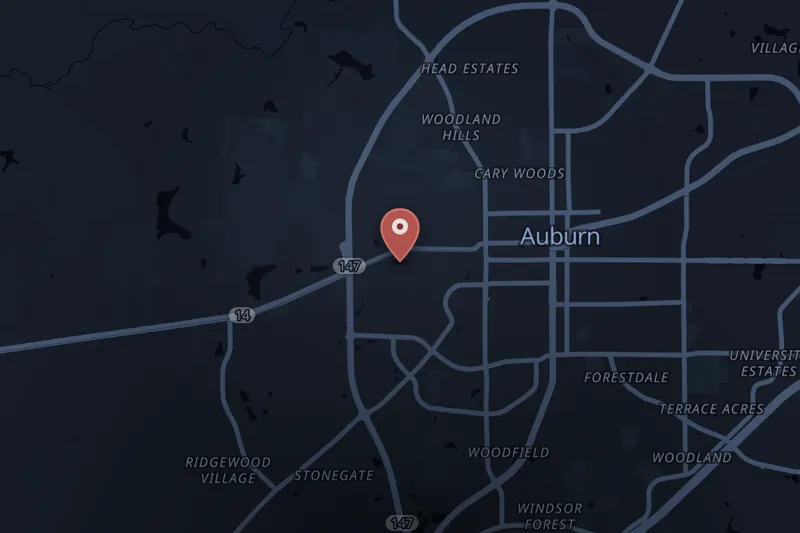
The coordinates identify Auburn generally rather than Slesinski's private home or the DeKalb Street vehicle site. The alternate title preserves the disappearance framing by which the case was known during the long period before conviction, while the victim-first primary title reflects the final murder judgments.


 Credit: Wfsa 12 NewsEditorial useSourceSOLVEDListen