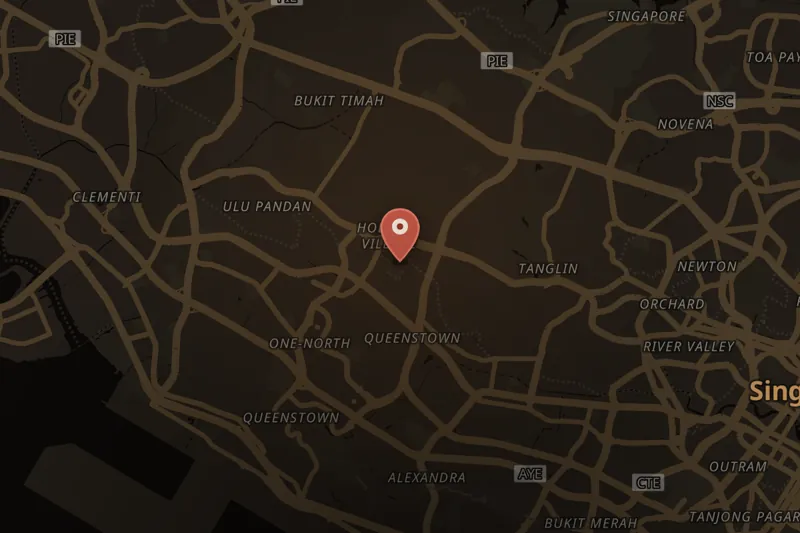
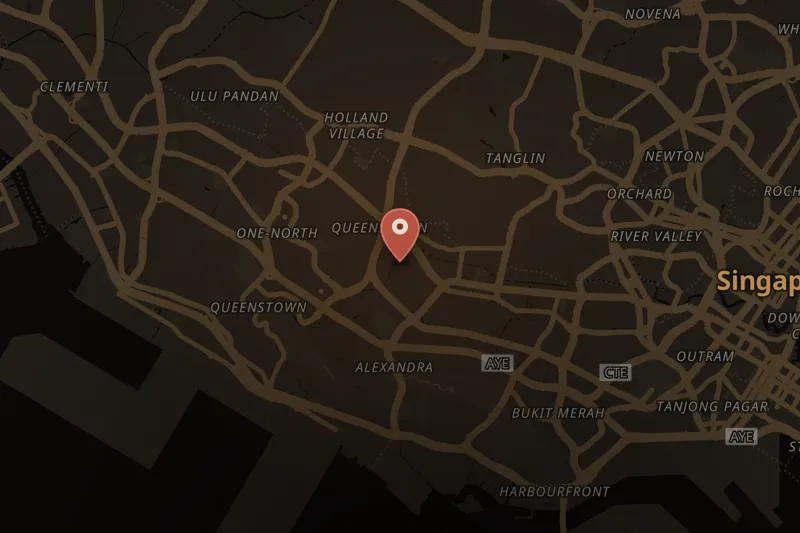
On 22 January 1988, workers arriving at a construction site in Jalan Kampong Chantek off Dunearn Road, Bukit Timah, Singapore, forced open a locked storage container after receiving no response to their knocking. Inside, they found the body of Mohamed Shafiqul Islam, a 20-year-old Bangladeshi construction worker also known by the alias Mohd Abdul Islam. He had suffered extensive fatal injuries to his head and neck and had been mutilated. An autopsy by forensic pathologist Dr Clarence Tan found that skull fractures from multiple blows to the head, and a broken neck, were each independently sufficient to cause death. A bloodstained crank handle recovered at the scene was believed by police to be the murder weapon.
Investigators noted that Mohamed Shafiqul's wallet and shoes were missing, and identified a suspect wearing the stolen shoes. On 2 February 1988, police announced the arrest of three suspects; two — Mohamed Bachu Miah and Mohamed Mahmuduzzaman Khan — were charged with murder, while a third continued to assist investigations. Both charged men were illegal immigrants from Bangladesh who had previously worked in Singapore. Investigators established a motive of revenge: Mohamed Bachu's younger brother had been arrested for working illegally, allegedly after Mohamed Shafiqul reported him to authorities, prompting Mohamed Bachu to conspire with Mahmuduzzaman to kill him.
The pair stood trial at the High Court beginning 4 March 1991, before Judicial Commissioner M P H Rubin and Justice T. S. Sinnathuray, prosecuted by Deputy Public Prosecutor Yang Ing Loong. The prosecution's case, based on the defendants' confessions, described a night of drinking and visiting a prostitute with the victim before Mahmuduzzaman strangled him and Mohamed Bachu struck him with a crank handle; the pair then mutilated him. The defence argued the confessions were involuntary and that the death resulted from a drunken brawl rather than a planned killing, seeking a manslaughter conviction. A trial-within-a-trial found the confessions admissible. On 27 March 1991, after an 18-day trial, both Mohamed Bachu Miah (32) and Mohamed Mahmuduzzaman Khan (26) were convicted of murder and sentenced to death, the mandatory penalty under Singapore law at the time.
On 11 September 1992, the Court of Appeal — Chief Justice Yong Pung How and Judges of Appeal L P Thean and Chao Hick Tin — dismissed both men's appeals, rejecting arguments about the confessions and lack of intent. In March 1993, Amnesty International appealed to the Singapore government to commute the sentences to life imprisonment. Mahmuduzzaman sought presidential clemency, including a letter from Mohamed Bachu taking sole responsibility, but the petition was rejected by then-President Wee Kim Wee. Both men were hanged at Changi Prison on 23 July 1993, among seven people executed in Singapore that year.

 SOLVEDListen