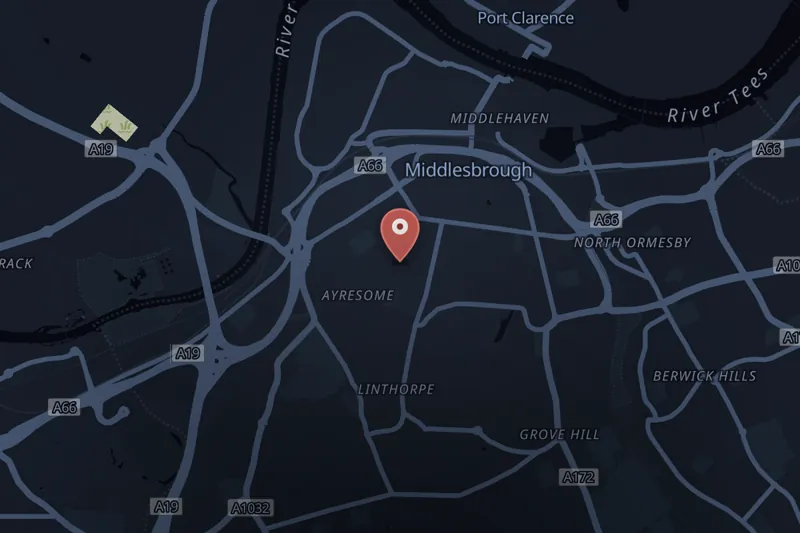
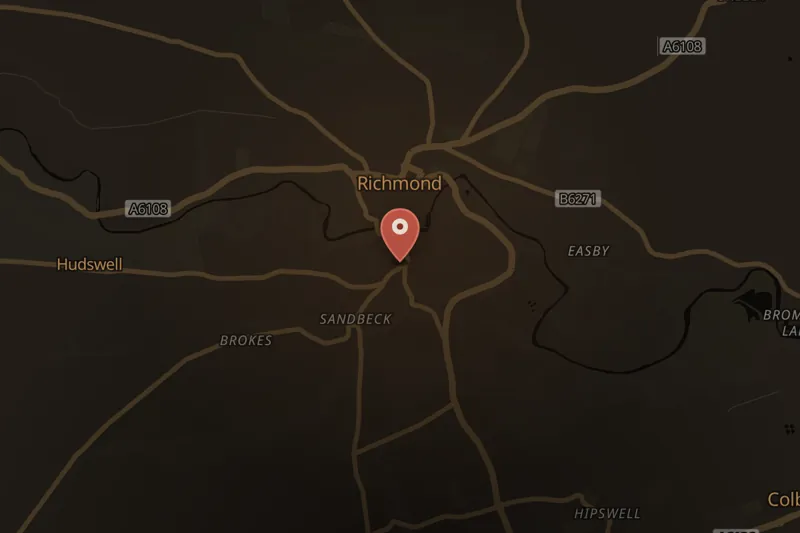
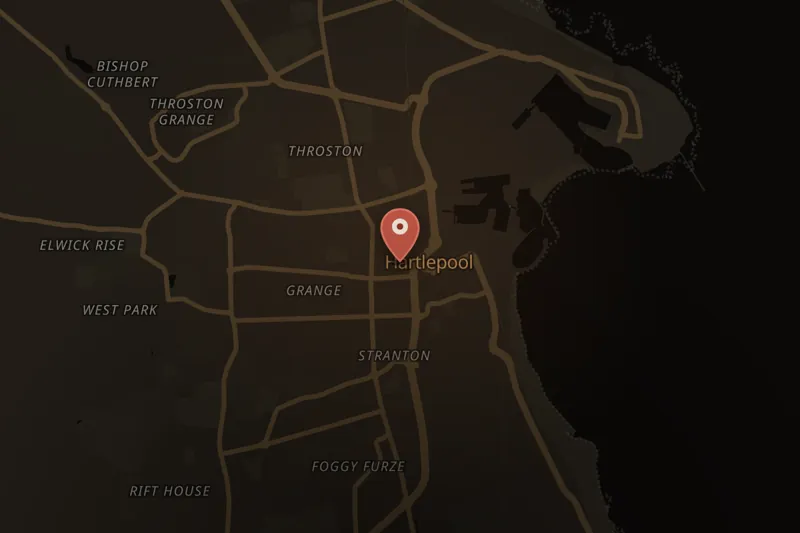
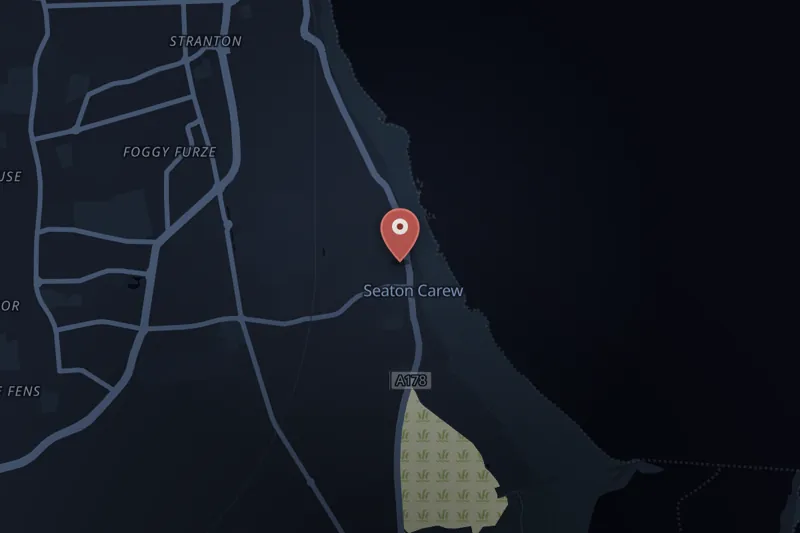
On 30 June 1994, three-year-old Rose Frances Palmer was playing at a neighbour's house on Henrietta Street, Hartlepool, County Durham, having been collected from nursery by her stepfather, John Thornton. At around 15:30, she went to buy an ice pop from a local ice cream van; the vendor, Gary Amerigo, later recalled she was "bright and cheerful" as her only customer that afternoon. As she walked away from the van, Palmer was abducted. It took approximately two hours before Thornton realised she was missing, prompting a search by residents and, from 20:45, the police.
The police search, led by Detective Superintendent Doug Smith of Cleveland Police, involved door-to-door enquiries, tracker dogs, volunteers, HM Coastguard, a police helicopter, and an RNLI lifeboat. Officers first visited the flat of neighbour Tony Armstrong on 1 July as part of general door-to-door enquiries, and returned on 2 July to conduct a "cursory" search. On 3 July, detectives noted a marked change in Armstrong's demeanour, from cooperative to "shifty" and "on edge," and arrested him. A second search of his flat led to the discovery of Palmer's mutilated body under a settee in the loft, with her shorts and underwear in a separate bag nearby. Post-mortem examination determined she was dead by 16:30 on the day of her abduction, though the condition of her body prevented pathologists from establishing a specific cause of death; a sexual assault was cited as a possible contributing cause.
Armstrong, who had convictions and a documented history of psychiatric problems, was known locally as "Tony the Pervert" and was widely disliked and distrusted in the neighbourhood. A social worker had warned in March 1993 that he was "likely to be a risk to any child he comes into contact with," but Cleveland County Council did not act on the report. He had obtained his council flat after a psychiatric consultant described him as "vulnerable" in a supporting letter to the Housing Department.
While on remand awaiting trial, Armstrong wrote to crime author Bernard O'Mahoney, who had posed as a woman corresponding with him, admitting to the murder and revealing a plan to feign insanity and plead manslaughter by diminished responsibility. The letter was passed to police and shown to the jury, after which Armstrong changed his plea to guilty of murder. He was convicted on 27 July 1995 and sentenced to life imprisonment on 28 July 1995. In May 2006, a High Court ruling set his minimum term at 16 years, less time served on remand, making him eligible for parole from July 2010.
The case prompted a 1996 report criticising the standard of psychiatric care given to Armstrong as "inadequate and full of shortcomings," though it found the murder "could not have been predicted." A subsequent negligence compensation claim by Palmer's mother, Beverley Yates, against the relevant health authorities was struck out in 1998 and the ruling upheld on appeal in 1999. In 2010, renewed public attention focused on the fact that Armstrong, despite being eligible for parole, would not be required to sign the Sex Offenders' Register because he was never formally charged with a sexual offence. As of March 2023, Armstrong's seventh parole application had been rejected, with the Parole Board ruling he would not be reconsidered until at least 2025.

 SOLVEDListen