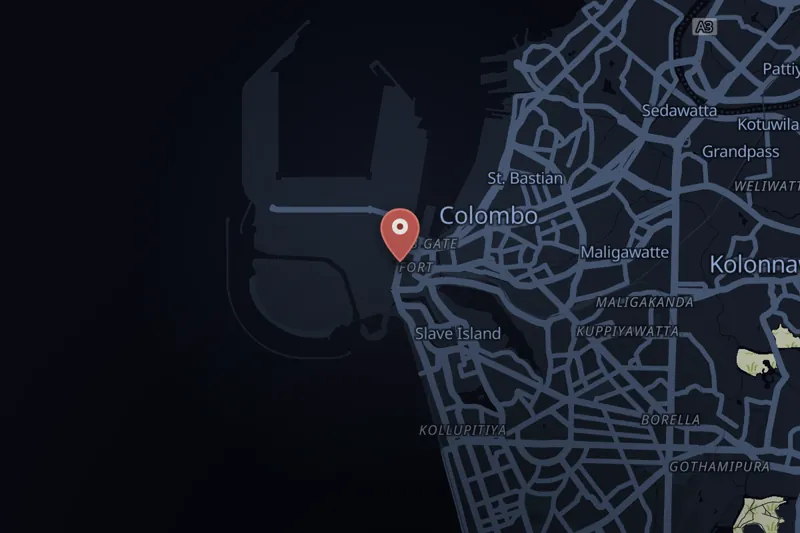
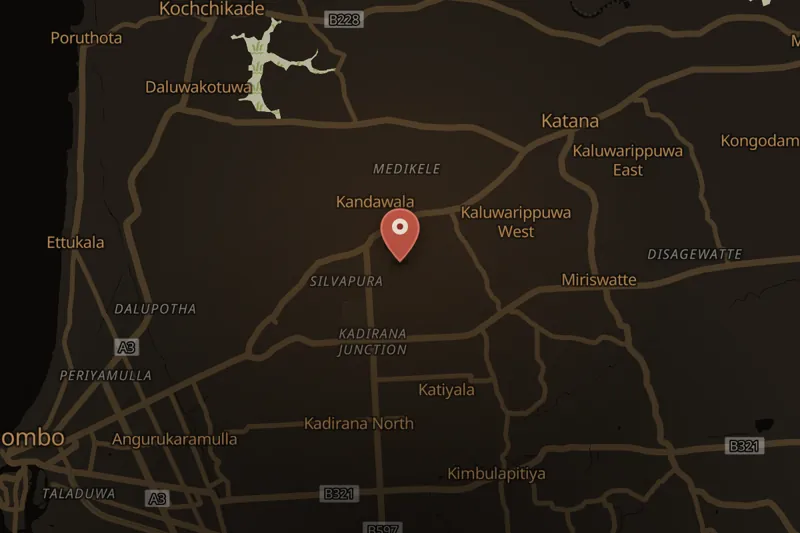
Seya Sadewmi, a four-year-old Sri Lankan child, went missing from her home in Kotadeniyawa on the night of 12 September 2015 while sleeping beside her mother. Her father was away at the time, and when he returned and asked about her whereabouts, her mother assumed she had gone to sleep in her grandmother's bed, as she had done before. The family did not investigate further that night. Sadewmi was reported missing the next morning, prompting an investigation by the Kotadeniyawa police, which was later joined by the police K9 unit and the Criminal Investigation Department (CID). Investigators found her clothes still on the bed where she had been sleeping, which prevented the K9 unit from tracing her scent, leading police to suspect she had been abducted while asleep. On the evening of 13 September 2015, her naked body was discovered near a canal approximately 200 meters from her home, with a piece of cloth wrapped around her neck. An autopsy determined she had been sexually assaulted and strangled to death.
The investigation, after being handed to the CID by the Inspector-General of Police, initially led to the arrest of two individuals by Kotadeniyawa police, including a 17-year-old student, on the basis of reasonable suspicion. Both were later exonerated after DNA testing showed their samples did not match evidence recovered from the crime scene. Both men alleged that police officers had assaulted and tortured them while in custody; the Kotadeniyawa police denied these allegations, and the Police Chief ordered an inquiry into the alleged human rights violations.
A third suspect, Dinesh Priyashantha, was then arrested in connection with the murder. After the first two suspects were cleared, Priyashantha confessed to the crime. He later retracted this confession, alleging that his brother, Saman Jayalath, had manipulated him into making a false statement. Once Jayalath was detained for further investigation, he corroborated Priyashantha's allegations. Subsequent DNA testing showed that Priyashantha's DNA did not match samples from the crime scene, while testing conducted by the Genetech Molecular Diagnostics Research Institute (GMDRI) established that Jayalath's DNA matched evidence recovered at the scene.
Jayalath was indicted on four charges related to the crime. On 15 March 2016, the Negombo High Court found him guilty on all charges and sentenced him to death.

 Credit: CIAPublic domainSourceUNSOLVEDListen