On April 3, 1982, Stephanie Roper, a 22-year-old student at Frostburg State University, was kidnapped, raped, tortured, shot, and her body burned and partially dismembered in Prince George's County, Maryland. Roper was home on a college break and had spent the evening with friends at a bar in Washington, D.C. After dropping off a friend in Brandywine, Maryland, she was driving toward her home in Croom when her car became disabled on a rural road. Two men, 26-year-old Jack Ronald Jones and 17-year-old Jerry Lee Beatty, stopped and kidnapped her at gunpoint, taking her to an abandoned shack in Oakville, St. Mary's County, where she was tortured and repeatedly raped.
One of the men used the other's first name during the assault, and fearing Roper could identify them, the two decided to kill her. She made several attempts to escape; upon her final capture, her skull was fractured with a logging chain and she was shot to death. To hinder identification, the men burned her body and severed her hands. They were apprehended after Beatty bragged about his involvement in the crime.
Both men were charged with kidnapping, rape, and felony murder. Jones was convicted in Baltimore County, while Beatty pleaded guilty to the same charges in Anne Arundel County. Both received two concurrent life sentences, with parole eligibility after 24 years.
The Roper family was excluded from observing the trial and was denied the opportunity to present a victim impact statement at sentencing. In response, Stephanie's mother, Roberta Roper, became an advocate for victims' rights, including the right of victims' families to address courts before sentencing. She and her husband, Vincent, founded the Stephanie Roper Committee and Foundation, Inc., which later became the Maryland Crime Victims' Resource Center, Inc. (MCVRC). Roberta Roper served as the organization's Executive Director for 20 years and continues to chair its board.
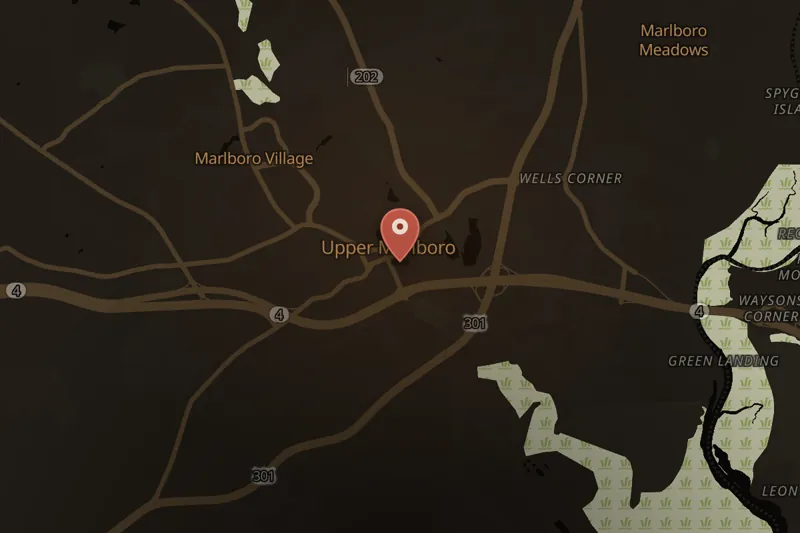
The case's legacy includes the federal Crime Victims' Rights Act of 2004, named in part for Stephanie Roper because her parents were not notified of trial continuances, were excluded from proceedings, and were prevented from giving a victim impact statement. Maryland also established an annual Crime Victims and Advocates Commemorative Day on April 3, named a portion of Maryland Route 4 the "Stephanie Roper Highway," created the Stephanie Ann Roper Gallery at Frostburg State University, and established the Roper Victim Assistance Academy to train victims' advocates.
In 2021, Maryland banned life without parole sentences for juveniles and allowed eligible individuals to petition for sentence reductions. As a juvenile at the time of the crime, Beatty became eligible to seek such a reduction; a court rejected this request in 2026.


 SOLVEDListen