
Solved case
Murder of Teresa Cormack
Teresa Cormack, a six-year-old girl, was abducted and killed in Napier, New Zealand, in June 1987; the case was solved fifteen years later when advances in DNA profiling matched preserved crime-scene evidence to Jules Mikus, who was convicted in 2002.

Teresa Maida Cormack was a six-year-old girl from Napier, New Zealand. On the morning of Friday 19 June 1987, the day after her sixth birthday, she left home to walk her usual route to Richmond Primary School but never arrived. When she failed to return home that evening, her family reported her missing, and it emerged that she had not reached school at all.
An extensive search followed. On the morning of Saturday 27 June 1987, a woman walking her dog discovered Teresa's partially buried body at the base of a tree on Whirinaki Beach, north of Napier. A post-mortem examination determined that she had been sexually assaulted and killed. The crime had a lasting effect on the Napier community and on a country where children had commonly walked to school unaccompanied.
Investigators recovered biological evidence from the scene, including hair and semen. In 1987, however, forensic science in New Zealand could not yet link such material to an individual; the country's first DNA testing laboratory would not open until 1989. A local man, Jules Mikus, was identified early as a person of interest and provided blood and saliva samples, but an alibi placing him elsewhere was accepted at the time and the available techniques could not connect him to the crime. The case went cold.
The investigation was reopened later, and preserved samples were re-examined as genetic profiling advanced. Around 2001, scientists at Environmental Science and Research profiled the sealed semen sample. Police collected hundreds of blood samples for comparison, and testing continued into early 2002. On 22 February 2002 the analysis was complete: a single profile matched the crime-scene sample, and it belonged to Mikus. Mitochondrial DNA analysis of pubic hairs recovered from the scene provided further corroboration.
On 26 February 2002, fifteen years after Teresa's death, police charged Mikus with her murder. His trial was held in Wellington rather than Napier to reduce the risk of prejudice. He pleaded not guilty, but the jury found him guilty of kidnapping, rape, sexual assault, and murder. He was sentenced to life imprisonment for the murder, with additional concurrent terms and a minimum non-parole period of ten years.
Mikus maintained his innocence and challenged the DNA evidence, including an unsuccessful bid for further testing in 2011. He remained in prison until his death in custody at Rimutaka Prison in December 2019, at the age of 62. The case became one of New Zealand's most significant examples of a long-unsolved crime resolved through advances in forensic DNA analysis, with preserved evidence and improved profiling techniques ultimately identifying the person responsible years after the investigation first stalled.
Key facts
- Victims
- Teresa Cormack
- Date
- 1987
- Location
- Napier, New Zealand
- Case status
- solved
Case timeline
1981-06-18
Teresa Maida Cormack is born in Napier, New Zealand.
1987-06-19
Teresa, aged six, disappears while walking to Richmond Primary School in Napier and is reported missing that evening.
1987-06-27
Teresa's partially buried body is found at Whirinaki Beach, north of Napier, by a woman walking her dog; a post-mortem finds she was sexually assaulted and killed.
1987-07
Jules Mikus, an early person of interest, provides blood and saliva samples but is not linked to the crime with the forensic methods then available.
1998
The unsolved case is reopened and preserved forensic evidence is re-examined.
2001
Scientists at Environmental Science and Research profile the sealed semen sample recovered from the scene.
2002-02-22
DNA comparison of hundreds of blood samples is completed; a single profile matches the crime-scene evidence and belongs to Mikus.
2002-02-26
Police charge Jules Mikus with the murder of Teresa Cormack, fifteen years after her death.
2002-10
At a trial held in Wellington, a jury finds Mikus guilty of kidnapping, rape, sexual assault, and murder; he is sentenced to life imprisonment with a minimum non-parole period of ten years.
2019-12-06
Jules Mikus dies in custody at Rimutaka Prison, aged 62, having maintained his innocence.
Best coverage
No coverage has been attached to this file yet.
People
Teresa Cormack
VICTIMSix-year-old girl from Napier who was abducted and killed in June 1987 while walking to school.
Jules Mikus
CONVICTEDNapier man convicted in 2002 of the kidnapping, rape, sexual assault, and murder of Teresa Cormack after DNA profiling matched him to preserved crime-scene evidence; sentenced to life imprisonment and died in custody in 2019.
Roles reflect public records and court outcomes at the time of writing — supporting citations are on file under Sources.
Places
Common questions
- What happened to the victim?
- Teresa Cormack, a six-year-old girl, was abducted and killed in Napier, New Zealand, in June 1987; the case was solved fifteen years later when advances in DNA profiling matched preserved crime-scene evidence to Jules Mikus, who was convicted in 2002.
- Where did the murder happen?
- Napier, New Zealand.
- Who was convicted?
- Jules Mikus (Napier man convicted in 2002 of the kidnapping, rape, sexual assault, and murder of Teresa Cormack after DNA profiling matched him to preserved crime-scene evidence; sentenced to life imprisonment and died in custody in 2019.).
- What is the current status of the case?
- Status: solved. Last verified July 2026.
Related cases
View all cases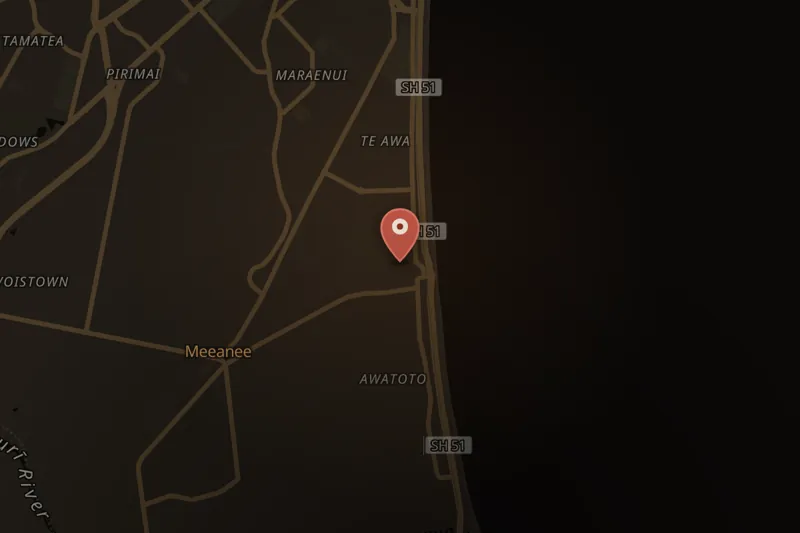
Disappearance of Kirsa Jensen
Awatoto Beach, near the mouth of the Tutaekuri River
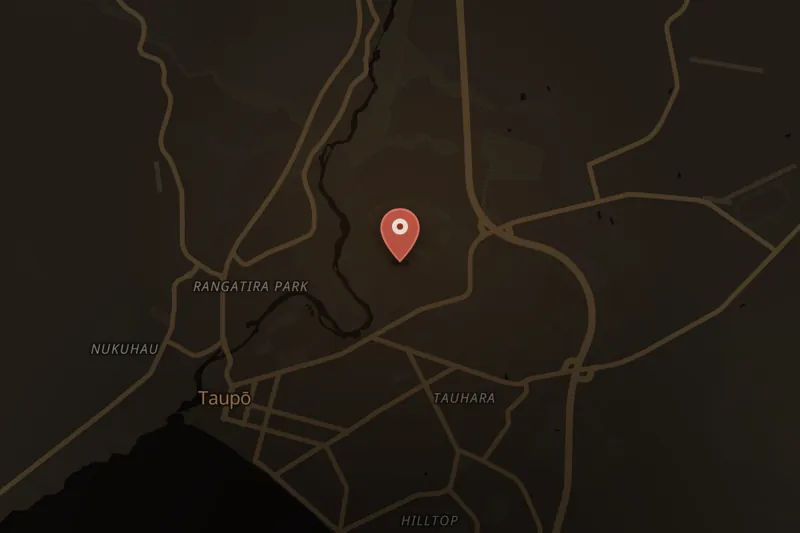
Disappearance of Mona Blades
Napier–Taupo Road area, New Zealand
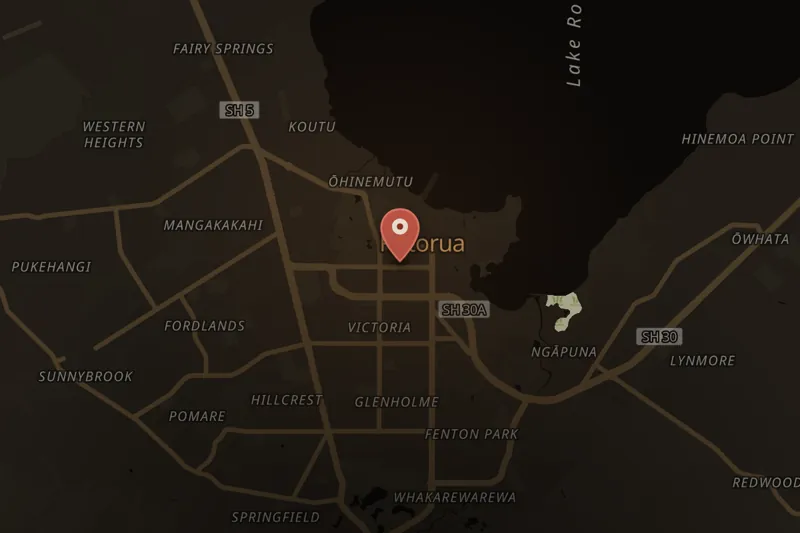
Murder of Nia Glassie
Rotorua, New Zealand

Robin Hood Hills murders
Robin Hood Hills, West Memphis, Arkansas

Murder of Shanda Sharer
Madison, Jefferson County, Indiana

Murder of Polly Klaas
Petaluma, California, United States
Sources
- ENCYCLOPEDICMurder of Teresa CormackWikipedia · 2026-07-05
- PRESSTeresa Cormack's killer Jules Mikus dies in prison aged 621News (TVNZ) · 2026-07-05
Record history
- First published
- JUL 06, 2026
- Last verified against sources
- JUL 06, 2026
When a file you follow changes — a new development, a correction, fresh coverage — the Dispatch is how you hear about it.
The Casepin Dispatch
A calm weekly briefing from the archive — one case worth understanding, meaningful updates to files you follow, and the best new coverage. You’ll also get the one-time note when the apps land. No gore, no rumor, no drip.