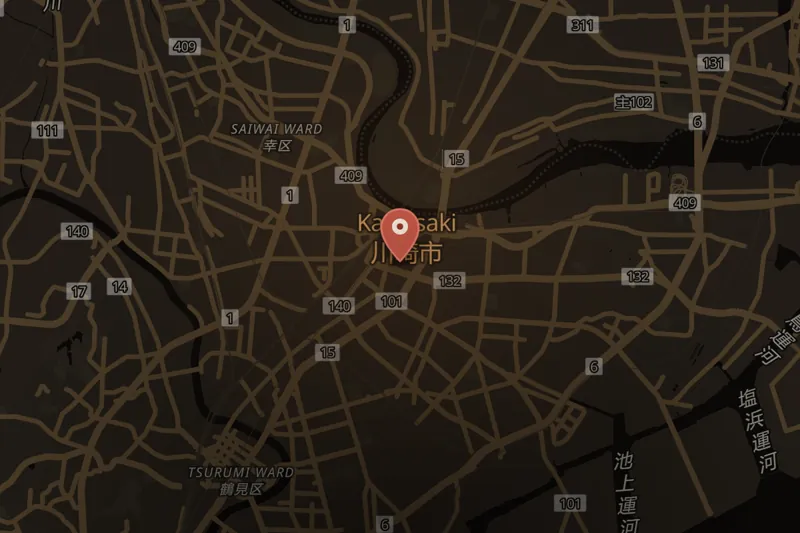
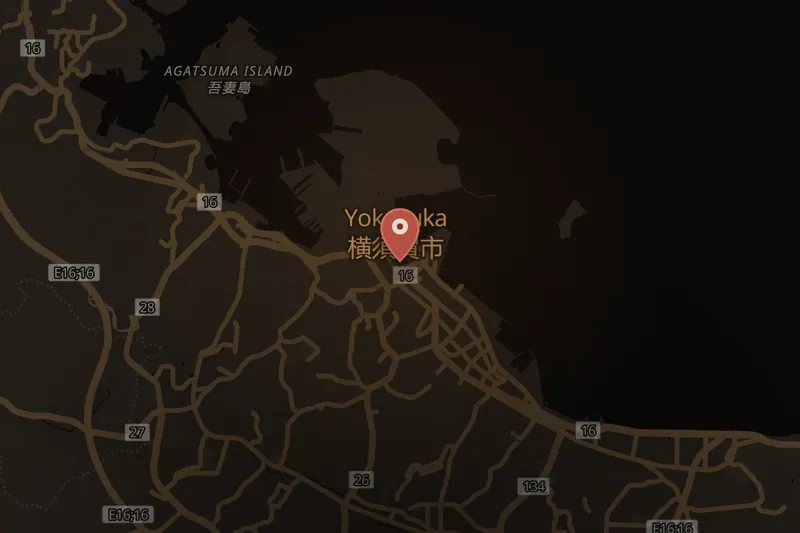
On 3 January 2006, Yoshie Sato, a 56-year-old bus cleaner, was killed near Yokosuka-Chūō train station in Yokosuka, Japan. She was on her way to work despite the Japanese New Year holiday period. Sato was born in Yokosuka in 1949, the eldest of three children, and had three children and six grandchildren; following her second divorce she had entered a common-law relationship and purchased an apartment with her fiancé.
The perpetrator, William Oliver Reese, was a 21-year-old U.S. Navy seaman from Pittsgrove, New Jersey, stationed aboard the USS Kitty Hawk (CV-63) in Japan since 2004 on his first assignment. Reese, who was intoxicated, first asked Sato for directions to the nearby naval base. After she pointed it out, he attempted to steal her purse. When Sato yelled for help, he dragged her to a nearby stairwell and beat her for approximately 11 minutes; the initial robbery attempt was captured on surveillance footage. Sato later died of a ruptured kidney. Reese took 15,000 yen (about $131) from her purse before leaving the scene. Accounts differ on the circumstances of his apprehension: some state he was stopped by Navy sentries at the main gate of Yokosuka Naval Base after they noticed bloodstained clothing, while others state he was caught aboard the Kitty Hawk while attempting to return to work. Reese later said he did not know why he had killed her.
Reese was indicted and gave a full confession, pleading guilty while maintaining he had not intended to kill Sato. He was convicted on 3 June 2006 and sentenced to life imprisonment; judges described the murder as "shocking" and "dreadful" but cited his confession, among other factors, in declining to impose the death penalty.
The case prompted a U.S. Navy official to issue a formal apology at Sato's funeral. Sato's brother, Shuichi Sanada, called for greater military education of troops to prevent what he termed "a serious social problem," while her son Katsuki said he had hoped for the death penalty but held no ill will toward the Navy generally. On 6 January 2006, the U.S. Navy imposed restrictions on sailors in Yokosuka, including a four-day "period of reflection," curfews, off-base entry bans, and mandatory "liberty plans" detailing sailors' whereabouts. The killing was cited as the most severe in a series of publicized crimes by U.S. servicemen in Japan around that period, and renewed public calls to revise the U.S.–Japan Status of Forces Agreement.
In October 2006, the Sato family filed a civil suit against the Japanese government, the U.S. Navy, and Reese seeking 200 million yen. In 2013 Japan's Supreme Court ruled that only Reese was liable for payment. Sato's husband, Masanori Yamazaki, rejected a subsequent U.S. offer to pay 40% of the sum because it required a liability-release clause; in 2017 he agreed to sign if the immunity demand was dropped. As of 2020, no further updates on the settlement had been reported.


 Credit: photo: Qurren (talk) Taken with Canon IXY DIGITAL 450 (Digital IXUS 430)CC BY-SA 3.0SourceSOLVEDListen