
Solved case
Murder of the Sakamoto family
Anti-cult lawyer Tsutsumi Sakamoto, his wife Satoko, and their infant son Tatsuhiko were killed in 1989 by members of the Aum Shinrikyo cult, whose involvement was uncovered in 1995.

Tsutsumi Sakamoto was a lawyer with the Yokohama Bar Association who, from 1987, worked at Yokohama Law Offices. He had earlier led a successful class-action suit against the Unification Church on behalf of members' relatives, and by the late 1980s he had turned to Aum Shinrikyo, a Japanese doomsday cult. In 1988 he helped establish a group to assist people affected by Aum, later known as the Aum Shinrikyo Victims' Association, and he prepared a class action arguing that members had been drawn in by deception and that the group used high-pressure "spiritual sales" to drain money from followers' households. A judgment in his clients' favour could have bankrupted the organisation.
In October 1989, Tokyo Broadcasting System Television (TBS) recorded an interview with Sakamoto about his anti-Aum work. The network secretly showed the footage to Aum members and, under pressure from cult officials, cancelled the planned broadcast.
On November 3, 1989, several Aum members drove to Yokohama intending to abduct Sakamoto at a Shinkansen station, carrying hypodermic needles and potassium chloride, but he did not appear because of a public holiday. In the early hours of November 5, the group entered his apartment through an unlocked door. Sakamoto, his wife Satoko, aged 29, and their 14-month-old son Tatsuhiko were killed. The family's remains were sealed in metal drums and concealed in rural parts of three separate prefectures — Niigata, Toyama, and Nagano — a distribution intended to keep investigators from linking the cases.
For six years the family's whereabouts remained unknown. According to NHK, Tokyo police received a tip in 1991 and briefly investigated Aum facilities, but closed the inquiry after two months because the crime fell outside their jurisdiction. The cult's involvement was established only after senior members were arrested in connection with the 1995 Tokyo subway attack; the perpetrators then revealed the burial sites, where the skeletal remains were recovered.
Police charged four Aum members with the murders. One of them, chief scientist Hideo Murai, was killed during a police transfer in April 1995 before he could be tried. Kazuaki Okazaki pleaded guilty and was found guilty in October 1998; Tomomasa Nakagawa and Satoro Hashimoto were convicted in 2000. On July 25, 2000, the three were sentenced to death, and on July 28, 2000, Kiyohide Hayakawa was also sentenced to death for his role. A court found that the killings had been ordered by the cult's founder, Shoko Asahara, who denied involvement.
Nakagawa was executed on July 6, 2018, and Okazaki and Hashimoto on July 26, 2018. In 2017, Nakagawa had published a prison memoir renouncing his Aum beliefs and apologising to the victims' families. After TBS's role in exposing Sakamoto to the cult became public, the broadcaster faced widespread criticism and its president resigned.
Key facts
- Victims
- Tsutsumi Sakamoto, Tatsuhiko Sakamoto, Satoko Sakamoto
- Date
- 1989
- Location
- Yokohama, Kanagawa, Japan (city-level; exact apartment address not specified in sources)
- Case status
- solved
Case timeline
1956-04-06
Tsutsumi Sakamoto is born in Yokosuka, Kanagawa Prefecture.
1984
Sakamoto passes the bar examination at age 27.
1987
Sakamoto begins working as a lawyer at Yokohama Law Offices.
1988
Sakamoto helps establish a support group for people affected by Aum Shinrikyo, later the Aum Shinrikyo Victims' Association.
1989-10
TBS records an interview with Sakamoto and secretly shows it to Aum members; the planned broadcast is later cancelled under pressure from the cult.
1989-11-03
Aum members drive to Yokohama intending to abduct Sakamoto at a train station, but he does not appear.
1989-11-05
Sakamoto, his wife Satoko, and their infant son Tatsuhiko are killed in their apartment; the remains are later hidden in three prefectures.
1991
Tokyo police investigate Aum facilities after a tip but close the inquiry after two months on jurisdictional grounds (as reported by NHK in 2015).
1995
Following arrests connected to the Tokyo subway attack, Aum Shinrikyo's involvement is established and members reveal the burial sites.
1995-04
Hideo Murai, one of the men charged with the murders, is killed during a police transfer before trial.
1998-10
Kazuaki Okazaki is found guilty of the murders.
2000-07-25
Okazaki, Tomomasa Nakagawa, and Satoro Hashimoto are sentenced to death.
2000-07-28
Kiyohide Hayakawa is sentenced to death for his role in the murders.
2017
Nakagawa publishes a prison memoir renouncing his Aum beliefs and apologising to the victims' families.
2018-07-06
Tomomasa Nakagawa is executed.
2018-07-26
Kazuaki Okazaki and Satoro Hashimoto are executed.
Best coverage
No coverage has been attached to this file yet.
People
Tsutsumi Sakamoto
VICTIMAnti-cult lawyer with the Yokohama Bar Association; killed on November 5, 1989.
Satoro Hashimoto
CONVICTEDAum Shinrikyo member; convicted in 2000, sentenced to death on July 25, 2000, and executed on July 26, 2018.
Tomomasa Nakagawa
CONVICTEDAum Shinrikyo member; convicted in 2000, sentenced to death on July 25, 2000, and executed on July 6, 2018.
Kazuaki Okazaki
CONVICTEDAum Shinrikyo member; pleaded guilty, found guilty in October 1998, sentenced to death on July 25, 2000, and executed on July 26, 2018.
Hideo Murai
CHARGEDAum Shinrikyo chief scientist; charged with the murders but killed during a police transfer in April 1995 before trial.
Tatsuhiko Sakamoto
VICTIMThe couple's 14-month-old son; killed on November 5, 1989.
Satoko Sakamoto
VICTIMTsutsumi Sakamoto's wife, aged 29; killed on November 5, 1989.
Kiyohide Hayakawa
CONVICTEDSentenced to death on July 28, 2000 for his role in the murders.
Roles reflect public records and court outcomes at the time of writing — supporting citations are on file under Sources.
Archival records
archival location
Omachi Dam park Sakamoto Tatsuhiko cenotaph
Credit: photo: Qurren (talk) Taken with Canon IXY DIGITAL 450 (Digital IXUS 430) · CC BY-SA 3.0 · Source
Places
Common questions
- What happened to the victim?
- Anti-cult lawyer Tsutsumi Sakamoto, his wife Satoko, and their infant son Tatsuhiko were killed in 1989 by members of the Aum Shinrikyo cult, whose involvement was uncovered in 1995.
- Where did the murder happen?
- Yokohama, Kanagawa, Japan (city-level; exact apartment address not specified in sources).
- Who was convicted?
- Satoro Hashimoto (Aum Shinrikyo member; convicted in 2000, sentenced to death on July 25, 2000, and executed on July 26, 2018.), Tomomasa Nakagawa (Aum Shinrikyo member; convicted in 2000, sentenced to death on July 25, 2000, and executed on July 6, 2018.), Kazuaki Okazaki (Aum Shinrikyo member; pleaded guilty, found guilty in October 1998, sentenced to death on July 25, 2000, and executed on July 26, 2018.), and Kiyohide Hayakawa (Sentenced to death on July 28, 2000 for his role in the murders.).
- What is the current status of the case?
- Status: solved. Last verified July 2026.
Related cases
View all cases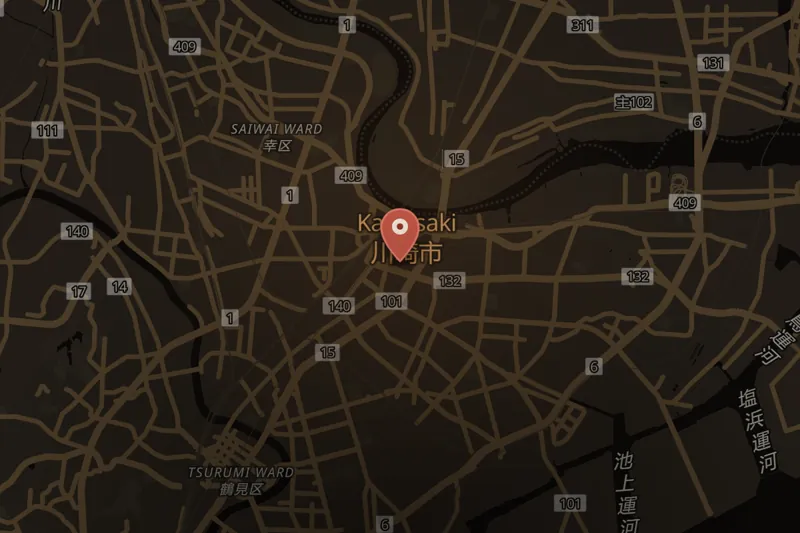
Murder of Ryōta Uemura
Tama River bank, Kawasaki, Kanagawa Prefecture, Japan
Tokaido Shinkansen stabbings
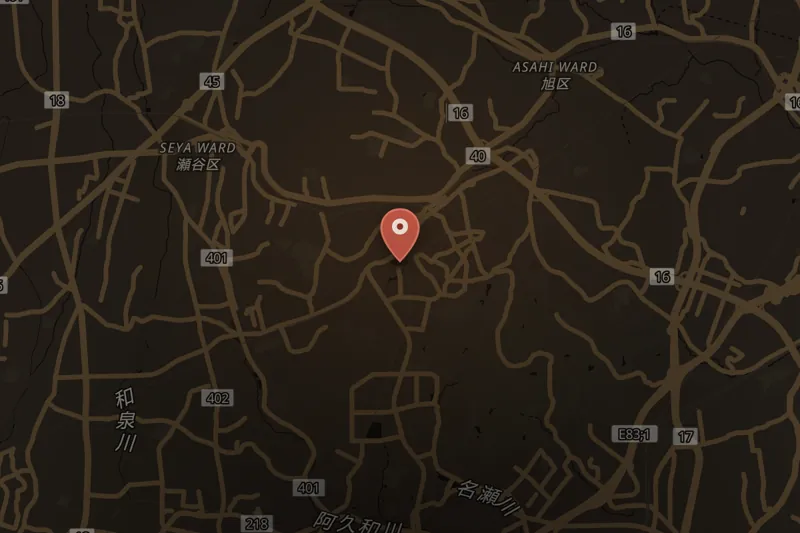
Tokaido Shinkansen, Kanagawa Prefecture, Japan

Murder of Yoshie Sato
Near Yokosuka-Chūō Station, Yokosuka, Japan

Murder of Anita Cobby
Blacktown / Prospect, New South Wales, Australia

Brighton hotel bombing
Grand Hotel, Brighton, England
Murder of Cara Knott
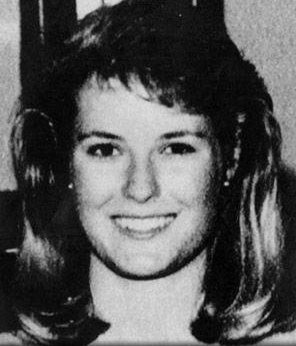
Mercy Road offramp, Interstate 15, San Diego County, California
Sources
- ENCYCLOPEDICSakamoto family murderWikipedia · 2026-07-05
- PRESSBBC News — contemporaneous coverage of the Sakamoto family murder caseBBC News · 2026-07-05
- PRESSABC News — contemporaneous coverage of the Sakamoto family murder caseABC News · 2026-07-05
Record history
- First published
- JUL 06, 2026
- Last verified against sources
- JUL 06, 2026
When a file you follow changes — a new development, a correction, fresh coverage — the Dispatch is how you hear about it.
The Casepin Dispatch
A calm weekly briefing from the archive — one case worth understanding, meaningful updates to files you follow, and the best new coverage. You’ll also get the one-time note when the apps land. No gore, no rumor, no drip.