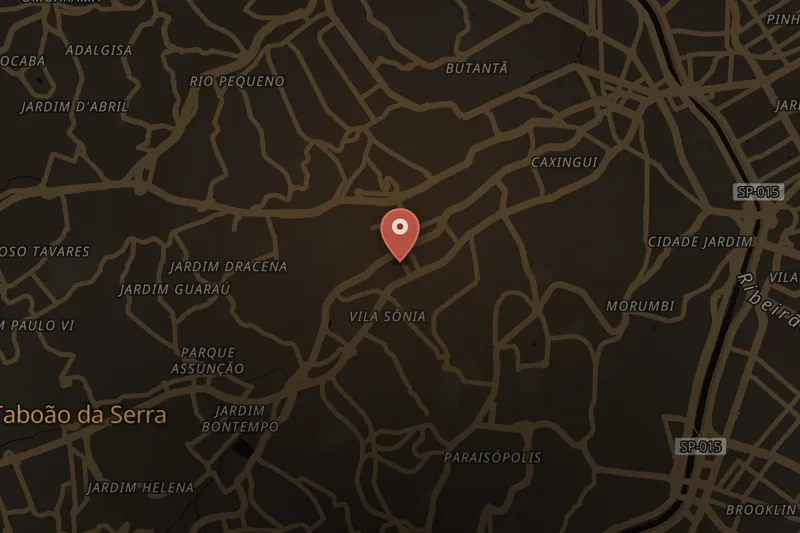
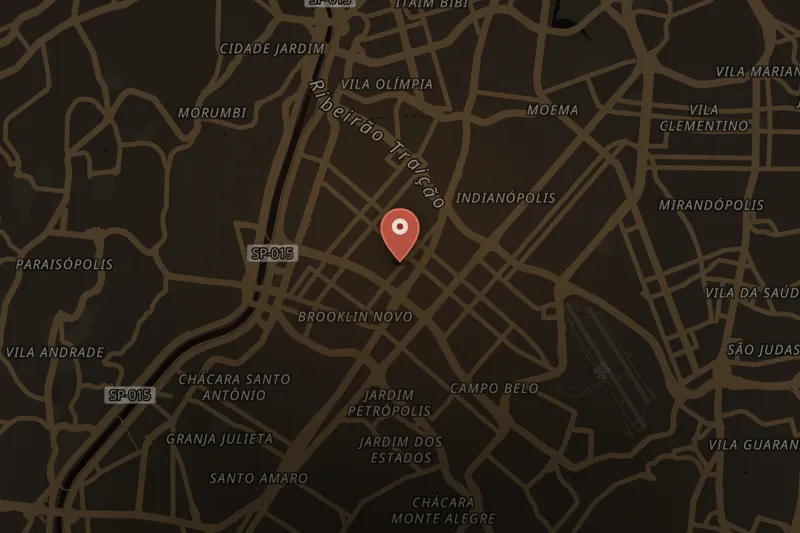
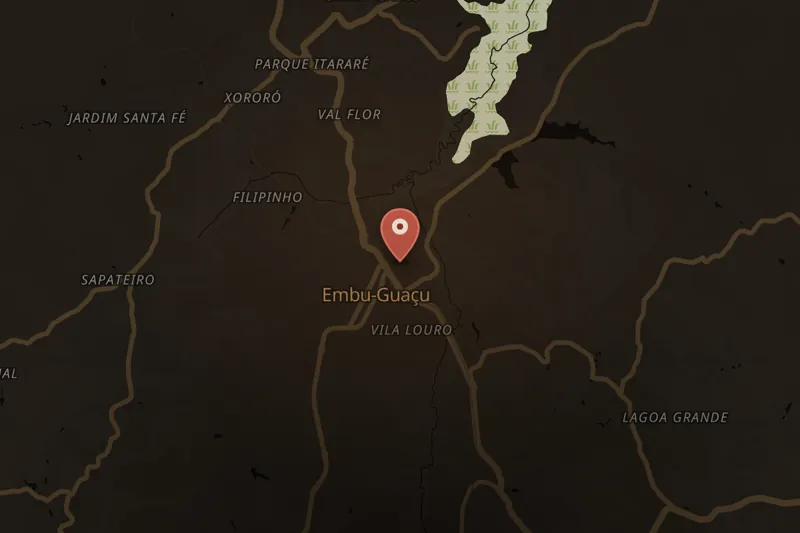
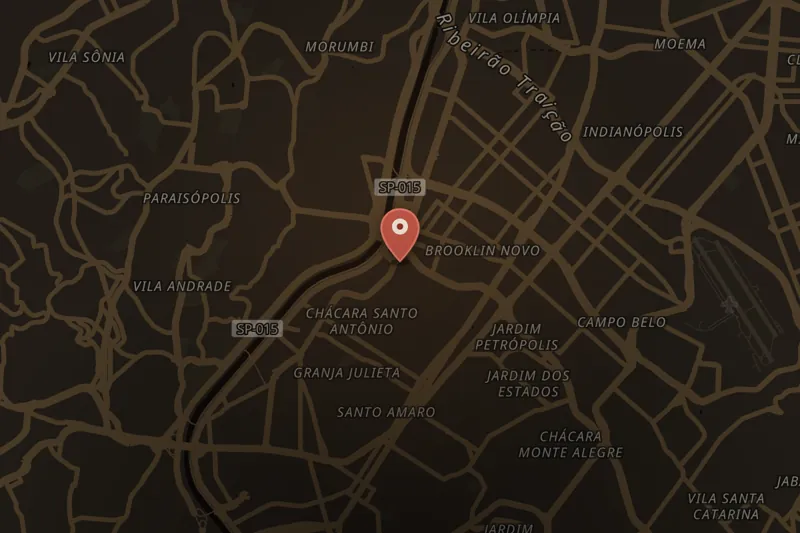
Liana Bei Friedenbach, 16, and her boyfriend Felipe Silva Caffé, 19, were students who traveled from São Paulo to camp at an abandoned farm in the rural area of Embu-Guaçu, Greater São Paulo, in late October 2003. They had told their families different stories about their plans: Liana said she was going to Ilhabela with a group from the Jewish community, while Felipe's family believed he was camping with friends. After spending the early hours of October 31 near MASP on Avenida Paulista, the couple traveled by bus to Embu-Guaçu and then walked about 4.5 km to their campsite.
Two men — later identified by the nickname "Champinha" and an accomplice known as "Pernambuco" — encountered the couple while fishing and initially planned to rob them. Finding the students had no money, they instead kidnapped them. Liana, believing her family could pay a ransom, proposed this to her captors, but no ransom demand was ever made. Over the following days, Liana was raped by multiple men involved in holding the couple. Felipe was shot in the back of the head near a ravine and killed. Liana was later killed by stabbing on November 5, 2003, in a wooded area, reportedly after the group became aware that police search efforts (initiated by Liana's father through the Special Operations Command) were closing in. The bodies were discovered on November 10, 2003.
Those arrested in connection with the crimes were tried and sentenced in the years following the murders. In July 2006, Antonio Caetano da Silva, Agnaldo Pires, and Antônio Mathias de Barros were sentenced to 124, 47, and 6 years in prison, respectively. In November 2007, Paulo César da Silva Marques ("Pernambuco") was sentenced to 110 years and 18 days in prison. Roberto Aparecido Alves Cardoso ("Champinha"), described as the group's leader, was 16 at the time of the killings and therefore tried under Brazil's Child and Adolescent Statute (ECA) rather than the adult criminal system. He was interned at a CASA Foundation unit and later, after turning 18, was evaluated as posing a high danger to society and transferred to indefinite civil interdiction, citing diagnoses of antisocial personality disorder and mild intellectual disability. He briefly escaped custody in May 2007 before being recaptured within hours.
The case drew significant public attention in Brazil, particularly after a December 2007 television broadcast showed Champinha living in comparatively comfortable conditions at his health-unit placement, prompting criticism of state officials, including then-governor José Serra, who defended the arrangement. The case remains frequently cited in Brazilian debates over the minimum age of criminal responsibility.

 SOLVEDListen