Active case
North Korean Abductions of Japanese Citizens

Between 1977 and 1983, North Korean government agents abducted Japanese citizens from coastal areas of Japan. The Japanese government officially recognizes 17 citizens (eight men and nine women) as victims of these abductions, though it is estimated that hundreds more people may have been taken. Non-Japanese citizens, including eight from European countries and one from the Middle East, are also believed to have been abducted from Japan by North Korea. Victims were largely ordinary Japanese citizens in their 20s who were opportunistically taken from coastal areas; the youngest known victim, Megumi Yokota, was 13 when she disappeared from Niigata in November 1977. Some victims were reportedly abducted to teach Japanese language and culture at North Korean spy schools, to have their identities used by agents, or possibly because they witnessed North Korean agent activity in Japan.
For decades North Korea denied involvement, and the allegations were widely dismissed as conspiracy theory, including by groups such as Chongryon and the Japan Socialist Party. This changed on September 17, 2002, when North Korean leader Kim Jong Il met Japanese Prime Minister Junichiro Koizumi at the First Japan–North Korea Summit. Kim admitted North Korea had abducted at least 13 Japanese citizens, issued an oral apology, and stated that those responsible had been punished. North Korea also provided death certificates for eight people it claimed had died, though it later admitted these certificates were hastily prepared, and Japanese authorities have questioned their validity.
Five surviving victims — Fukie Chimura, Yasushi Chimura, Yukiko Hasuike, Kaoru Hasuike, and Hitomi Soga — were returned to Japan on October 15, 2002, with their identities confirmed via DNA testing, dental records, and fingerprint analysis. Children of the Chimura and Hasuike families born in North Korea were reunited with their parents in Japan in July 2004. Hitomi Soga's husband, U.S. Army defector Charles Robert Jenkins, and their daughters also relocated to Japan in July 2004; Jenkins was later convicted of desertion and aiding the enemy by a U.S. court-martial and received a dishonorable discharge.
In November 2004, North Korea returned cremated remains it said belonged to Megumi Yokota and Kaoru Matsuki. Japanese DNA testing at Teikyo University, conducted by lecturer Tomio Yoshii, concluded the remains did not match either victim, though the scientific journal Nature later published criticism of the testing methodology, and Yoshii acknowledged he lacked prior experience analyzing cremated remains. Two returned abductees identified alleged abductors to police, and Japanese authorities have sought the arrest of named suspects in South Korea. In March 2006, Osaka police raided facilities linked to Chongryon in connection with the 1980 disappearance of Tadaaki Hara.
The issue has remained central to Japan–North Korea relations and has drawn international attention, including from the United Nations, the U.S. Congress, and successive Japanese prime ministers. As of recent National Police Agency counts, several hundred additional Japanese citizens remain listed as suspected abduction victims, with the count revised over time as some cases have been resolved through other explanations.

Key facts
- Victims
- Yaeko Taguchi, Yukiko Hasuike, Minoru Tanaka, Kyoko Matsumoto, Kaoru Matsuki, Hitomi Soga, Tadaaki Hara, Fukie Chimura, Megumi Yokota, Kaoru Hasuike, Yasushi Chimura
- Date
- 2002
- Location
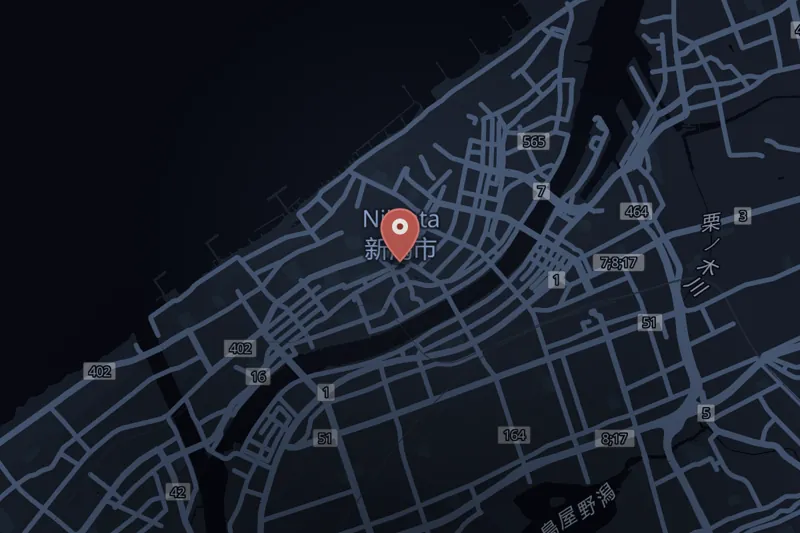
- Niigata, Japan (site of Megumi Yokota's 1977 abduction; abductions occurred at multiple coastal locations in Japan)
- Case status
- ongoing
Case timeline
1977-11
Megumi Yokota, aged 13, disappears from Niigata; she is the youngest known victim of the abductions.
2002-09-17
Kim Jong Il meets Japanese Prime Minister Junichiro Koizumi at the First Japan–North Korea Summit and admits North Korea abducted at least 13 Japanese citizens, issuing an oral apology.
2002-10-15
Five surviving abductees — Fukie Chimura, Yasushi Chimura, Yukiko Hasuike, Kaoru Hasuike, and Hitomi Soga — are returned to Japan.
2004-05-22
Second visit of Prime Minister Koizumi to Pyongyang secures agreement to allow children of returned victims to join their parents in Japan.
2004-07-18
Children of the Chimura and Hasuike families, and Hitomi Soga's husband Charles Robert Jenkins with their daughters, arrive in Japan.
2004-09-11
Charles Robert Jenkins reports to Camp Zama, is later found guilty of desertion and aiding the enemy by court-martial, and is dishonorably discharged.
2004-11
North Korea returns cremated remains claimed to be those of Megumi Yokota and Kaoru Matsuki; Japanese DNA testing later disputes the identification.
2005-04-27
Minoru Tanaka is added as the sixteenth officially recognized abduction victim.
2006-03
Osaka police raid six facilities linked to Chongryon in connection with the 1980 disappearance of alleged abductee Tadaaki Hara.
2006-11
Kyoko Matsumoto is added as the seventeenth officially recognized abduction victim.
2019-02
Japanese government sources report that Minoru Tanaka has been living in Pyongyang since his abduction around 1978.
2022-07-12
The National Police Agency's count of suspected Japanese abduction victims is revised to 871.
2024-03-29
North Korean Foreign Minister Choe Son Hui restates Pyongyang's policy of rejecting contact with Japan on the abduction issue.
Best coverage
No approved coverage links are attached yet.
People
Yaeko Taguchi
VICTIMAlleged abduction victim reportedly among a group believed moved to Wonhwa-ri, South Pyongan Province, per 2011 South Korean intelligence reports.
Yukiko Hasuike
VICTIMOfficially recognized abduction victim; returned to Japan on October 15, 2002.
Minoru Tanaka
VICTIMSixteenth officially recognized abduction victim, added to the list April 27, 2005; reported in 2019 to have been living in Pyongyang since roughly 1978.
Kyoko Matsumoto
VICTIMSeventeenth officially recognized abduction victim, added to the list in November 2006.
Kaoru Matsuki
VICTIMAlleged abduction victim; North Korea claimed he died, returning cremated remains in 2004 that Japanese DNA testing disputed.
Charles Robert Jenkins
CONVICTEDU.S. Army defector who married Hitomi Soga in North Korea; convicted by U.S. court-martial of desertion and aiding the enemy, dishonorably discharged in 2004.
Hitomi Soga
VICTIMOfficially recognized abduction victim; returned to Japan on October 15, 2002; later reunited with husband Charles Robert Jenkins.
Tadaaki Hara
VICTIMAlleged abduction victim who disappeared in June 1980; subject of 2006 Osaka police raids on facilities linked to Chongryon.
Fukie Chimura
VICTIMOfficially recognized abduction victim; returned to Japan on October 15, 2002.
Megumi Yokota
VICTIMOfficially recognized abduction victim; disappeared at age 13 from Niigata in November 1977.
Kaoru Hasuike
VICTIMOfficially recognized abduction victim; returned to Japan on October 15, 2002; identified alleged abductors to Japanese police.
Yasushi Chimura
VICTIMOfficially recognized abduction victim; returned to Japan on October 15, 2002; identified alleged abductors to Japanese police.
Roles reflect public records and court outcomes at the time of writing — supporting citations are on file under Sources.
Places
Common questions
- What happened to the victim?
- Between 1977 and 1983, North Korean government agents abducted Japanese citizens from coastal areas of Japan; 17 people are officially recognized as victims by Japan, though hundreds more disappearances are suspected to be linked.
- Where did the crime happen?
- Niigata, Japan (site of Megumi Yokota's 1977 abduction; abductions occurred at multiple coastal locations in Japan).
- Who was convicted?
- Charles Robert Jenkins (U.S. Army defector who married Hitomi Soga in North Korea; convicted by U.S. court-martial of desertion and aiding the enemy, dishonorably discharged in 2004.).
- What is the current status of the case?
- Status: ongoing.
Sources
- ENCYCLOPEDICNorth Korean abductions of Japanese citizensWikipedia · 2026-07-07
- PRESSContemporaneous coverage — The New York TimesThe New York Times · 2026-07-07
- PRESSContemporaneous coverage — The TelegraphThe Telegraph · 2026-07-07
Record history
- First published
- JUL 10, 2026