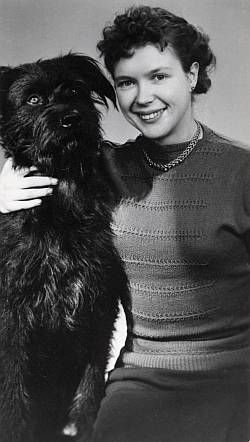
On January 30, 1957, Naka Sakai, a 46-year-old Japanese housewife and mother of six, entered Sōmagahara Air Base in Soma, Gunma Prefecture, to collect spent shell casings for scrap metal, a common practice among local residents near the U.S. Forces Japan live-fire range. Specialist Third Class William S. Girard, a 21-year-old U.S. Army enlisted man from Ottawa, Illinois, used a grenade launcher mounted on an M1 Garand rifle to fire an empty grenade cartridge at Sakai. The cartridge struck her in the back and killed her.
The killing caused a major diplomatic crisis between the United States and Japan, centering on which country had jurisdiction to try Girard. The U.S. Army argued that Girard was on "active duty" at the time and therefore subject to U.S. military jurisdiction under the U.S.–Japan Security Treaty, while Japanese authorities contended that Girard had been resting between firing exercises and was therefore subject to Japanese law. Secretary of State John Foster Dulles and Secretary of Defense Charles E. Wilson ultimately ruled that Girard's action was unauthorized, and he was turned over to Japanese authorities for trial. Girard's appeal to the U.S. Supreme Court was unsuccessful in the case Wilson v. Girard. The decision to extradite Girard provoked significant backlash in the United States, including protests from veterans' organizations and criticism from lawmakers such as Senator John Bricker.
At trial, a prosecution witness testified that Girard had shouted a warning before firing, which Girard denied. A fellow soldier, Victor Nickel, testified that Girard had lured Sakai and other scavengers by tossing casings onto the range and then fired at Sakai "for a joke." Girard maintained the shooting was accidental. Presiding judge Yuzo Kawachi visited the scene and stated he was "baffled" by inconsistencies in Girard's account but found no evidence of deliberate murder. Girard received a three-year suspended sentence and was demoted to private by the U.S. Army; a murder conviction would have resulted in dishonorable discharge.
The public outcry in Japan contributed to the Eisenhower administration's announcement of a 40 percent reduction in U.S. troops stationed in Japan and helped prompt renegotiation of the U.S.–Japan Security Treaty toward greater mutuality. Sakai's husband, Akikichi, and their six children received compensation of $1,748.32, which many in Japan viewed as inadequate; Akikichi told U.S. authorities he did not "thank" them for it. Girard later returned to the United States with his wife, Haru "Candy" Sueyama, amid a cool reception from fellow servicemen.

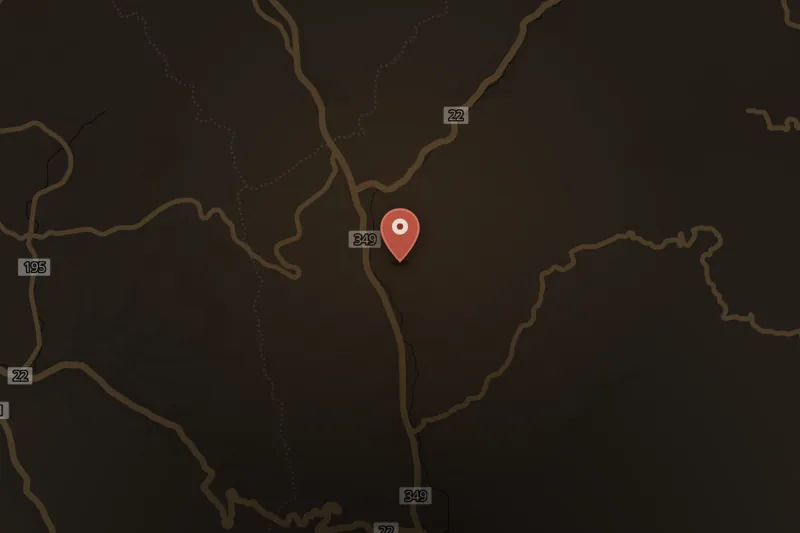
 Credit: 663highlandCC BY-SA 4.0SourceUNSOLVEDListen