
Solved case
Novocherkassk massacre
On 2 June 1962, Soviet troops and KGB-linked units fired on unarmed strikers and demonstrators in Novocherkassk who were protesting food price increases and factory pay cuts, killing 24 people and wounding dozens more.

On 1 June 1962, workers at the Novocherkassk Electric Locomotive Works (NEVZ) in the Russian SFSR spontaneously struck after the Soviet government announced steep price increases for meat and butter, which coincided with factory pay cuts of up to 30 percent imposed under new work-norm reforms. The strike escalated after plant director Boris Kurochkin dismissively told a worker to eat "pirozhki with liver" if she could not afford meat. Thousands of workers gathered, blocked a passenger train on the adjacent railway line for over fourteen hours, and overwhelmed police and early military attempts to disperse them. That night, military and MVD forces, including tank units under General Matvei Shaposhnikov, were concentrated in the city, and a curfew was imposed.
On the morning of 2 June, thousands of demonstrators — estimated between 5,000 and 12,000 — marched roughly nine kilometers from the factory district to the city's central square, bypassing tanks and fire engines stationed to block them. Presidium officials sent from Moscow, including Frol Kozlov and Anastas Mikoyan, fled the party headquarters (gorkom) building before the marchers arrived. Frustrated demonstrators occupied the gorkom. Separately, a group led by worker E. P. Levchenko rushed the nearby police station to free reportedly detained workers; a struggle over a soldier's rifle led to gunfire that killed several people there, with two wounded teenagers dying later.
At the main square, General Oleshko ordered the crowd to disperse and warned that soldiers would fire. When the crowd did not move, a warning volley was fired over their heads, followed by sustained gunfire lasting one to four minutes. Sixteen people were killed in the square and adjoining garden. An official investigation conducted decades later concluded that fatal shots may have come from snipers positioned on rooftops rather than only from soldiers on the ground, suggesting a premeditated element to the shooting. In total, 24 people were confirmed killed and at least 69 were documented as severely wounded, with some other sources describing higher totals.
Soviet authorities immediately covered up the killings: bodies were secretly buried in unmarked graves in remote locations, personnel involved were forced to sign non-disclosure pledges, and families were not able to recover remains until 1992. Over 100 people were prosecuted in secret trials during 1962; fourteen defendants faced the most serious charges, and seven were sentenced to death and executed after being convicted of "banditry," a charge later found to have been legally baseless. Information about the massacre was suppressed until the glasnost era, when former participant Petr Siuda and journalists began publishing accounts starting in 1988. In 1991, the RSFSR Supreme Court exonerated the seven executed men of the banditry charge, and further rehabilitations followed through the 1990s, including a 1996 edict from President Boris Yeltsin providing additional measures of support for victims and their families.
Key facts
- Victims
- A. E. Shul'man
- Date
- 1962
- Location
- Novocherkassk, Russian SFSR, Soviet Union
- Case status
- solved
Case timeline
1962-05-31
Soviet government announces nationwide price increases of 30 percent for meat and 25 percent for butter, effective the next day.
1962-06-01
Strike begins spontaneously at the Novocherkassk Electric Locomotive Works (NEVZ) over price increases and factory pay cuts; protesters block a passenger train and clash with police and early troop deployments.
1962-06-02
Demonstrators march to the city center; troops and KGB-linked units fire on the crowd at Lenin Square and clashes occur at the police station, killing 24 people in total.
1962-06-03
Bodies of victims are secretly transported out of the city overnight and buried in unmarked graves in remote locations.
1962-08
Trials of accused strike participants begin in Novocherkassk and Rostov-on-Don.
1962-09
Seven defendants convicted under banditry and mass-disorder charges are executed by firing squad; trials concluded around this period.
1988-06
Rostov Komsomol newspaper Komsomolets publishes the first officially sanctioned article on the massacre.
1989-06
Komsomolskaya Pravda publishes a nationally prominent exposé on the massacre.
1991-01
Authorities declassify the locations of the secret burial sites.
1991-03-27
The Plenum of the RSFSR Supreme Court exonerates the seven executed men of the banditry charge and repeals verdicts against nineteen others.
1992-06-02
Recovered remains of victims are reburied in Novocherkassk on the 30th anniversary of the massacre, following a day of public mourning.
1994
The Chief Military Procuracy's investigation, led by Colonel Iurii Bagraev, concludes that the shooting was a cold-bloodedly prepared and executed act against unarmed demonstrators.
1996
President Boris Yeltsin issues an edict providing supplementary rehabilitation and support measures for victims.
Best coverage
No coverage has been attached to this file yet.
People
A. E. Shul'man
VICTIMShot dead by a sentinel late on the night of 2 June 1962 for violating the curfew; one of the 24 confirmed dead.
Petr Siuda
CONVICTEDNEVZ worker arrested on 1 June 1962 and imprisoned for several years in connection with the strike; later led the glasnost-era campaign to publicize the massacre and secure rehabilitation of victims.
E. P. Levchenko
CONVICTEDConvicted of mass disorders in the August 1962 trial and sentenced to twelve years in prison; led a group that rushed the police station during the demonstration.
Roles reflect public records and court outcomes at the time of writing — supporting citations are on file under Sources.
Places
Common questions
- What happened to the victim?
- On 2 June 1962, Soviet troops and KGB-linked units fired on unarmed strikers and demonstrators in Novocherkassk who were protesting food price increases and factory pay cuts, killing 24 people and wounding dozens more.
- Where did the massacre happen?
- Novocherkassk, Russian SFSR, Soviet Union.
- Who was convicted?
- Petr Siuda (NEVZ worker arrested on 1 June 1962 and imprisoned for several years in connection with the strike; later led the glasnost-era campaign to publicize the massacre and secure rehabilitation of victims.) and E. P. Levchenko (Convicted of mass disorders in the August 1962 trial and sentenced to twelve years in prison; led a group that rushed the police station during the demonstration.).
- What is the current status of the case?
- Status: solved.
Related cases
View all cases
Indonesian mass killings of 1965–66
Indonesia (nationwide, beginning in Jakarta)

Ikiza (1972 Burundi Killings)
Burundi (nationwide, centered on Bujumbura)
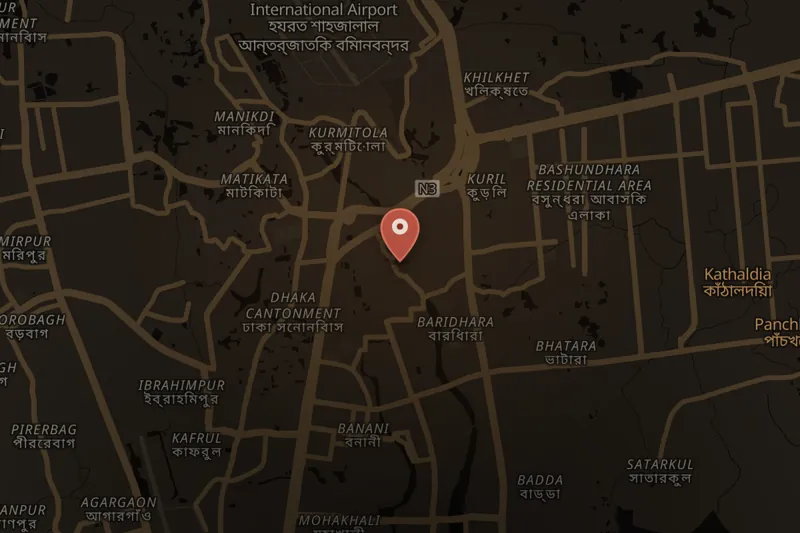
1964 East Pakistan riots
Dhaka and surrounding districts, East Pakistan (present-day Bangladesh)
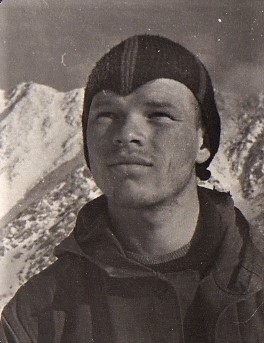
Dyatlov Pass incident
Dyatlov Pass, Ural Mountains, Sverdlovsk Oblast, Russia

Assassination of Anna Politkovskaya
Apartment block, central Moscow, Russia
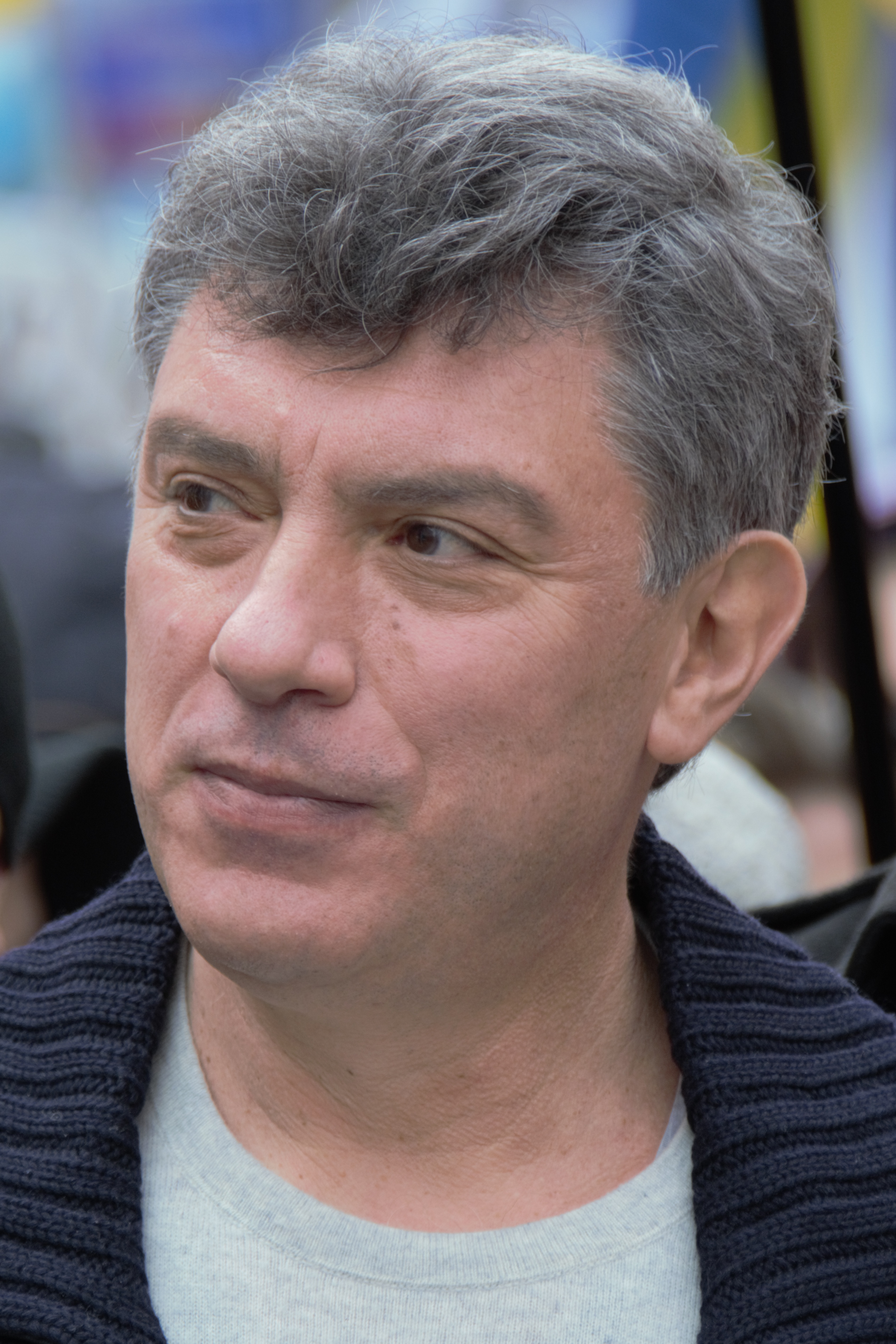
Assassination of Boris Nemtsov
Bolshoy Moskvoretsky Bridge, Moscow, Russia
Sources
- PRESSНовочеркасская трагедия 1962 годаCity of Novocherkassk · 2026-07-11
- ENCYCLOPEDICNovocherkassk massacreWikipedia · 2026-07-10
When a file you follow changes — a new development, a correction, fresh coverage — the Dispatch is how you hear about it.
The Casepin Dispatch
A calm weekly briefing from the archive — one case worth understanding, meaningful updates to files you follow, and the best new coverage. You’ll also get the one-time note when the apps land. No gore, no rumor, no drip.