Case file
Ratcliff Highway murders

The Ratcliff Highway murders were two attacks on separate households in the East End of London in December 1811 that left seven people dead. The first occurred on 7 December at 29 Ratcliffe Highway, the home and shop of linen draper Timothy Marr. Marr, his wife Celia, their 14-week-old son Timothy, and apprentice James Gowan were bludgeoned and had their throats cut; servant Margaret Jewell survived because she had been sent out on an errand and returned to find the house locked. Neighbour John Murray and night watchman George Olney discovered the bodies. A bloodstained shipwright's maul, later linked to a sailor named John Petersen, was recovered at the scene, along with footprints in blood and sawdust. Several suspects, including sailors, carpenter Cornelius Hart, and Marr's brother, were questioned and released for lack of evidence.
Twelve days later, on 19 December, a second attack occurred half a mile away at The King's Arms tavern on New Gravel Lane. Publican John Williamson, his wife Elizabeth, and their servant Bridget Anna Harrington were killed with a crowbar and a sharp weapon that cut their throats. A lodger, John Turner, escaped by lowering himself from an upper window on knotted sheets and raised the alarm; the Williamsons' granddaughter, Catherine Stillwell, was found asleep and unharmed. A coroner's inquest returned a verdict of willful murder by a person or persons unknown.
Public pressure led the Home Secretary, Richard Ryder, to appoint Bow Street magistrate Aaron Graham to the inquiry. Suspicion focused on John Williams, a seaman lodging at The Pear Tree public house, after the maul was traced to a chest belonging to sailor John Petersen, kept at Williams's lodging house. Williams had unexplained money, bloodstained and torn shirts noted by his laundress, and had returned to his lodgings shortly after the second killings. He was remanded to Coldbath Fields Prison. On 28 December 1811, before he could be tried, Williams hanged himself in his cell using his scarf. Authorities declared him the sole perpetrator of both attacks, though he had not previously been linked to the Marr murders, and cases against other suspects, including seaman William "Long Billy" Ablass and carpenter Cornelius Hart, were dropped. On 31 December, Williams's body was paraded through Wapping and Shadwell before crowds reported to number around 180,000, then buried at a crossroads with a stake driven through the heart, a practice reserved for suicides.
The true motive for the killings has never been conclusively established, and later researchers, including P.D. James and T.A. Critchley, have questioned whether Williams acted alone or was wrongly blamed to close a case that had caused widespread public fear. In 1886, a skeleton believed to be Williams's, with the remains of a wooden stake, was unearthed during excavation work near the reported burial site.

Key facts
- Victims
- John Williamson, Celia Marr, Timothy Marr, Bridget Anna Harrington, James Gowan, Elizabeth Williamson, Timothy Marr (infant)
- Date
- 1811
- Location
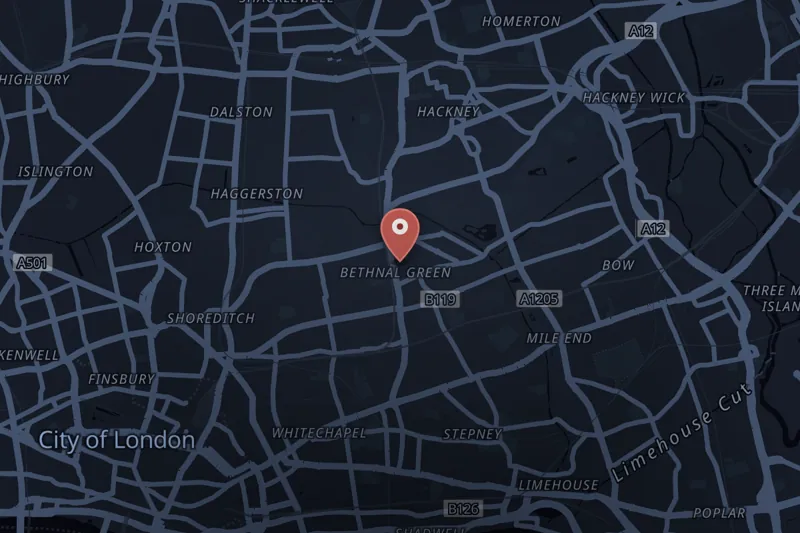
- Ratcliffe Highway, Wapping, London
- Case status
- solved
Case timeline
1811-12-07
The Marr family and apprentice James Gowan are murdered at 29 Ratcliffe Highway; servant Margaret Jewell survives, having been out on an errand.
1811-12-10
A coroner's jury hears evidence about the timing and circumstances of the Marr family killings.
1811-12-19
John Williamson, his wife Elizabeth, and servant Bridget Anna Harrington are murdered at The King's Arms tavern on New Gravel Lane; lodger John Turner escapes and the Williamsons' granddaughter is found unharmed.
1811-12-23
Suspect John Williams is examined at the Shadwell Police Office along with other suspects.
1811-12-24
The bloodstained maul is identified as belonging to sailor John Petersen; evidence against Williams, including bloodstained shirts, is presented.
1811-12-28
John Williams is found dead, having hanged himself in his cell at Coldbath Fields Prison before facing trial.
1811-12-31
Williams's body is paraded through Wapping and Shadwell and buried at a crossroads with a stake through the heart.
1886-08
A gas company excavating a trench reportedly unearths a skeleton believed to be Williams's, with remains of a wooden stake through the torso.
Best coverage
No approved coverage links are attached yet.
People
John Williamson
VICTIMPublican of The King's Arms, killed in the second attack, 19 December 1811.
Cornelius Hart
ACQUITTEDCarpenter who had worked in the Marr shop and was detained as a suspect but released for lack of evidence.
John Williams
CHARGEDSeaman identified as principal suspect in both attacks; died by suicide in custody at Coldbath Fields Prison before trial, and was subsequently declared by authorities to be the sole perpetrator.
Aaron Graham
LAW ENFORCEMENTBow Street magistrate appointed by the Home Secretary to lead the inquiry into the murders.
Celia Marr
VICTIMWife of Timothy Marr, killed in the first attack.
Timothy Marr
VICTIMLinen draper killed with his family and apprentice in the first attack, 7 December 1811.
Bridget Anna Harrington
VICTIMServant of the Williamson family, killed in the second attack.
James Gowan
VICTIMApprentice to Timothy Marr, killed in the first attack.
Elizabeth Williamson
VICTIMWife of John Williamson, killed in the second attack.
Timothy Marr (infant)
VICTIM14-week-old son of Timothy and Celia Marr, killed in the first attack.
Charles Horton
LAW ENFORCEMENTThames River Police officer, first officer on the scene of the Marr family murders.
William Ablass
ACQUITTEDSeaman, shipmate of John Williams, detained as a suspect in connection with the murders but not convicted.
Roles reflect public records and court outcomes at the time of writing — supporting citations are on file under Sources.
Places
Common questions
- What happened to the victim?
- In December 1811, seven people were killed in two separate nighttime attacks twelve days apart on Ratcliffe Highway in Wapping, East London — the Marr family and shop staff, then the Williamson family and their servant at a nearby tavern. The chief suspect, sailor John Williams, died by suicide in his cell before facing trial.
- Where did the murders happen?
- Ratcliffe Highway, Wapping, London.
- What is the current status of the case?
- Status: solved.
Sources
- ENCYCLOPEDICRatcliff Highway murdersWikipedia · 2026-07-10
- PRESSContemporaneous coverage — thamespolicemuseum.org.ukthamespolicemuseum.org.uk · 2026-07-10
- PRESSContemporaneous coverage — londonist.comlondonist.com · 2026-07-10