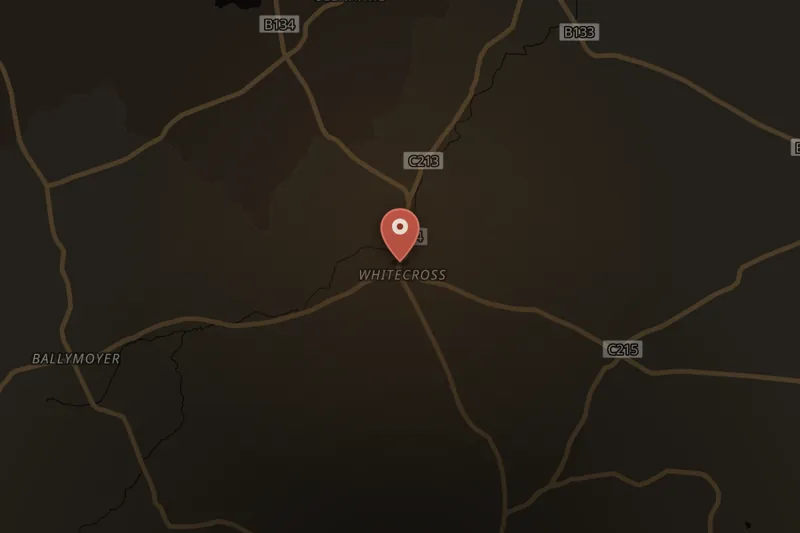
On the evening of 4 January 1976, masked gunmen carried out two coordinated attacks on Catholic families in County Armagh, Northern Ireland. At about 6:10pm, at least three men entered the unlocked home of the Reavey family in Whitecross, where brothers John (24), Brian (22) and Anthony Reavey (17) were watching television. The gunmen opened fire with two 9mm Sterling submachine guns, a 9mm Luger pistol and a .455 Webley revolver. John and Brian were killed outright. Anthony was shot multiple times while hiding under a bed but survived the initial attack, crawling roughly 200 yards to a neighbour's house for help. He died of a brain haemorrhage on 30 January, and is officially listed as a victim of the Troubles despite a pathologist finding the shooting played no part in his death.
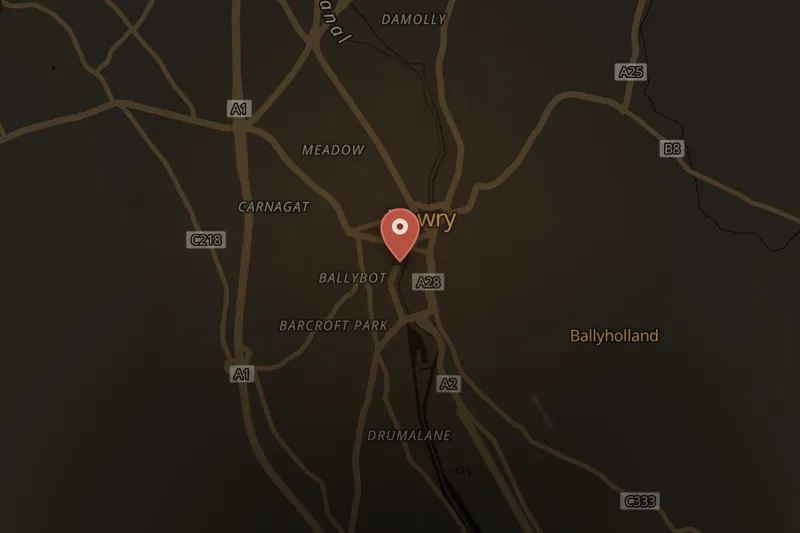
Ten minutes later and about fifteen miles away, three masked men burst into the O'Dowd family home in Ballydougan during a family reunion attended by sixteen people. The gunmen sprayed the sitting room with bullets, killing Joseph O'Dowd (61) and his nephews Barry (24) and Declan O'Dowd (19), all members of the Social Democratic and Labour Party. Barney O'Dowd, father of Barry and Declan, was wounded.
The attacks were claimed by the "Protestant Action Force," a cover name used by the Ulster Volunteer Force (UVF). Investigations later linked the killings to the "Glenanne gang," a loyalist alliance including UVF members, British soldiers from the Ulster Defence Regiment, and Royal Ulster Constabulary (RUC) officers. Former RUC officer Billy McCaughey admitted in 1988 to taking part in the Reavey attack, though he denied firing shots, and named RUC reservist James Mitchell as the getaway driver. Neither man was charged over the Reavey shootings. RUC officer John Weir, in an affidavit to Irish Supreme Court Justice Henry Barron, named British Army UDR soldier Robert McConnell, RUC officer Laurence McClure, and James Mitchell as involved in the Reavey killings, and named Mid-Ulster UVF leader Robin Jackson as the main gunman in the O'Dowd shootings. None of these named individuals were charged in relation to these killings. In 2021, the Police Ombudsman asked prosecutors to consider whether sufficient evidence existed to charge a former RUC officer with the Reavey killings.
The families reported that RUC officers investigating the shootings were hostile, though a police inquest found no paramilitary links to either family. The following day, gunmen killed ten Protestant workmen in what became known as the Kingsmill massacre, claimed as retaliation for the Reavey and O'Dowd attacks. Members of the security forces subsequently harassed the Reavey family and accused survivor Eugene Reavey of orchestrating the Kingsmill massacre; a 2010 Historical Enquiries Team report cleared him of involvement, and the Police Service of Northern Ireland apologised in 2007 for the harassment the family suffered.


 UNSOLVEDListen


