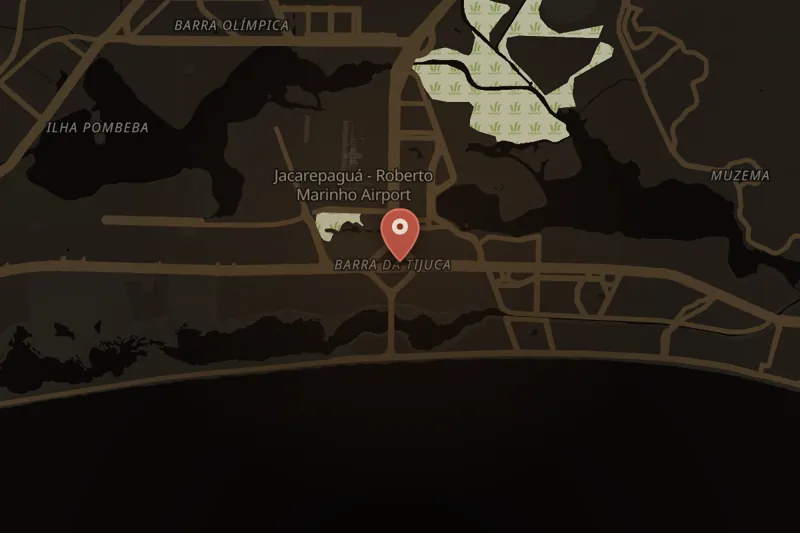
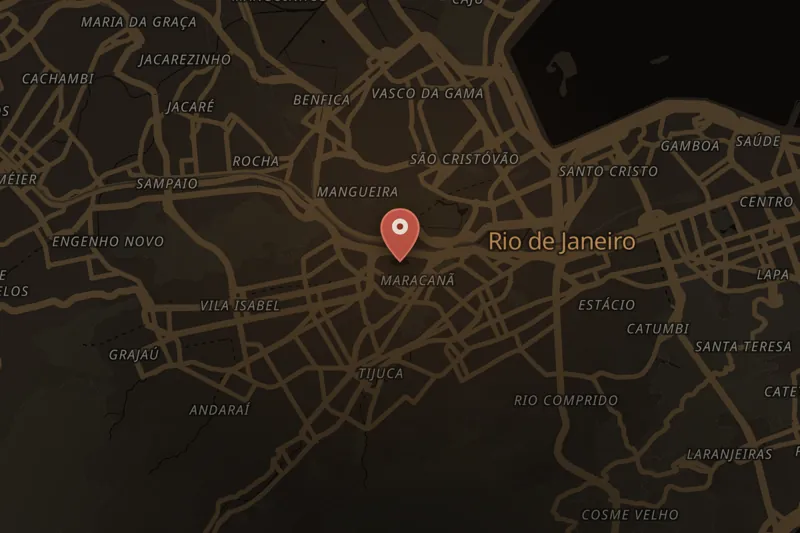
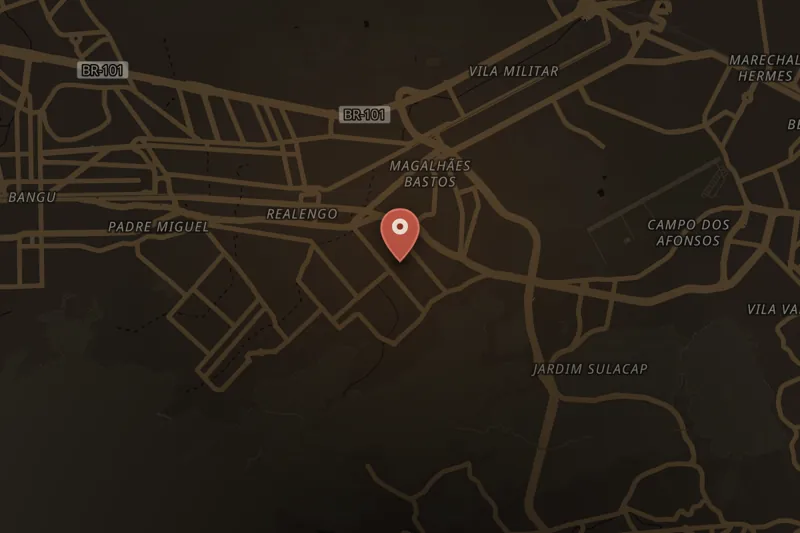
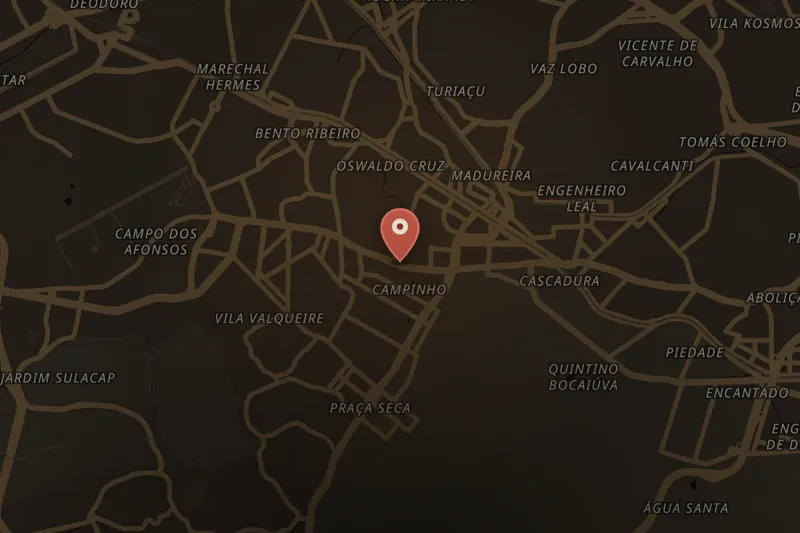
On the morning of 7 April 2011, a shooting occurred at Tasso da Silveira Municipal School, an elementary school in Realengo, a western neighbourhood of Rio de Janeiro, Brazil. Twelve students, aged 13 to 15, were killed and 22 others were seriously wounded. The perpetrator was Wellington Menezes de Oliveira, a 23-year-old former pupil of the school, who was armed with two revolvers. It was reported as the first mass shooting at a Brazilian school not tied to gang violence, and the second-deadliest mass shooting by a lone gunman in the country's history at the time.
According to accounts gathered by police and reported by media, Oliveira entered the school around 08:30 local time, falsely claiming to be a visiting lecturer. He proceeded to an eighth-grade classroom during a Portuguese class and opened fire, specifically targeting girls while largely wounding rather than killing boys. Witnesses said he referred to the girls as "impure beings." Police estimated more than 60 shots were fired in total. Many students and staff evacuated after the initial gunfire, and a Ministry of Transport officer alerted a nearby military police officer, Third Sergeant Márcio Alexandre Alves, who confronted Oliveira on a staircase and shot him in the leg and stomach. Oliveira then died by suicide with a gunshot to the head before he could be arrested.
Investigators reviewed Oliveira's computer and questioned associates, including a man he had communicated with online who was later cleared of any complicity. Police stated they found no concrete evidence of a religious or political motive but noted that materials recovered from Oliveira's home indicated an obsession with terrorist attacks and with Islam, a religion he reportedly converted to two years before the attack after having been raised as a Jehovah's Witness. His suicide letter combined religious references from multiple traditions, and he requested burial according to Islamic custom while also invoking Jesus and asking for "God's forgiveness." Analysts, theologians, and psychologists who examined the letter described it as syncretic and not clearly aligned with any single belief system. Oliveira's family and former schoolmates described him as reserved and having suffered bullying during his school years, a factor cited in videos he recorded before the attack. Some organizations also raised the possibility that misogyny played a role, given the apparent targeting of girls.
The attack prompted a strong national response. President Dilma Rousseff declared three days of national mourning and expressed shock, and officials including Rio de Janeiro's governor and mayor addressed the press. The three police officers involved in the response were later honored for bravery. The case drew extensive international coverage from outlets including the BBC, The Guardian, and The New York Times, and prompted expressions of sympathy from UNESCO and Pope Benedict XVI. The event also spurred discussion in Brazil about school safety and contributed to an acceleration of a national disarmament program.


 SOLVEDListen