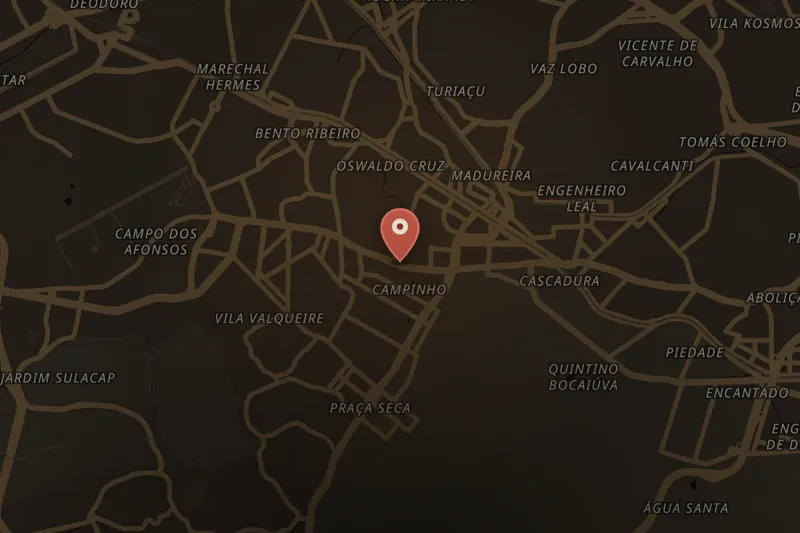
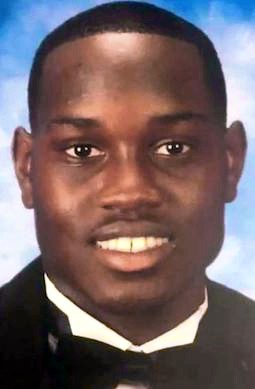
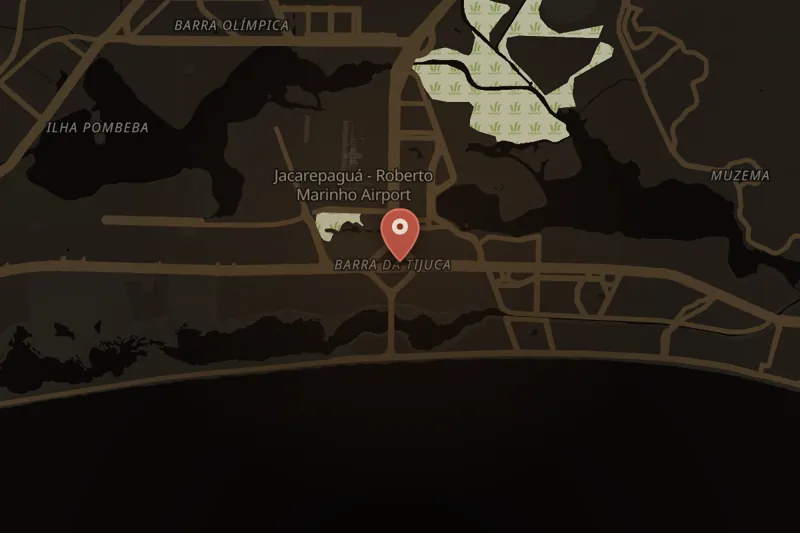
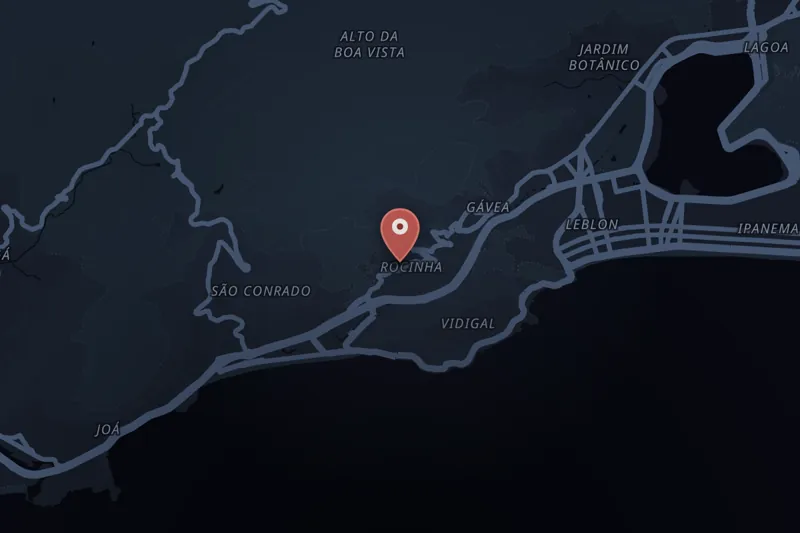
On January 24, 2022, Moïse Mugenyi Kabagambe, a Congolese immigrant working at the Tropicália beach kiosk in the Barra da Tijuca district of Rio de Janeiro, Brazil, went to the kiosk to collect two days' unpaid wages worth R$200 (US$38). According to family members, he was tied up and beaten with weapons including a baseball bat. A couple who witnessed the incident said they sought help from two municipal guards, who did not go to check on the kiosk. A video circulated by the press and on social media shows Kabagambe arguing with an employee who grabbed a piece of wood; Kabagambe briefly picked up a chair and a broom before releasing them. Another man then approached and began attacking Kabagambe, and two other unidentified men joined in. The video shows the aggressors later unsuccessfully attempting CPR before Kabagambe is dragged away. Rio de Janeiro's Instituto Médico Legal, the local body responsible for autopsies, determined Kabagambe died of blunt trauma to his chest.
Kabagambe was born in Bunia, in the Ituri Province of the Democratic Republic of the Congo, and had fled to Brazil with his family in 2011 due to the Ituri conflict. His family learned of his death the day after the killing, and news of it spread in Brazilian media by January 29, prompting widespread condemnation on social media and from politicians, celebrities, and human rights organizations.
Kabagambe's relatives reported being intimidated by military police agents on January 25 and 29. On February 1, 2022, police arrested three people in connection with his death; the Court of Justice of the State of Rio de Janeiro confirmed the arrests the next day, and Brazil's Public Ministry of Labor opened an investigation the same day. Authorities shut down the Tropicália kiosk and suspended the license of the adjacent Biruta kiosk. The three men arrested admitted to being involved in the killing but denied intent to kill or that the violence was motivated by racism or xenophobia. On March 15, 2025, Aleson Cristiano de Oliveira Fonseca and Fabio Pirineus da Silva were convicted over the murder; Fonseca was sentenced to 23 years and seven months in prison, and da Silva to 19 years and six months.
The killing prompted protests across Brazil and internationally, including in New York City, London, and Berlin, denouncing racism, xenophobia, and police brutality against Black people in Brazil, with some protesters also calling for the impeachment of then-President Jair Bolsonaro. International organizations including the UNHCR, IOM, Amnesty International, and Human Rights Watch issued statements condemning the killing. The Democratic Republic of the Congo's embassy in Brazil demanded answers from Brazilian authorities, and the Brazilian ambassador in Kinshasa was summoned by the DRC's Foreign Affairs Minister. The kiosks where Kabagambe was killed were later designated to become a memorial to Congolese culture, with one establishment given to his family.

 ONGOINGListen