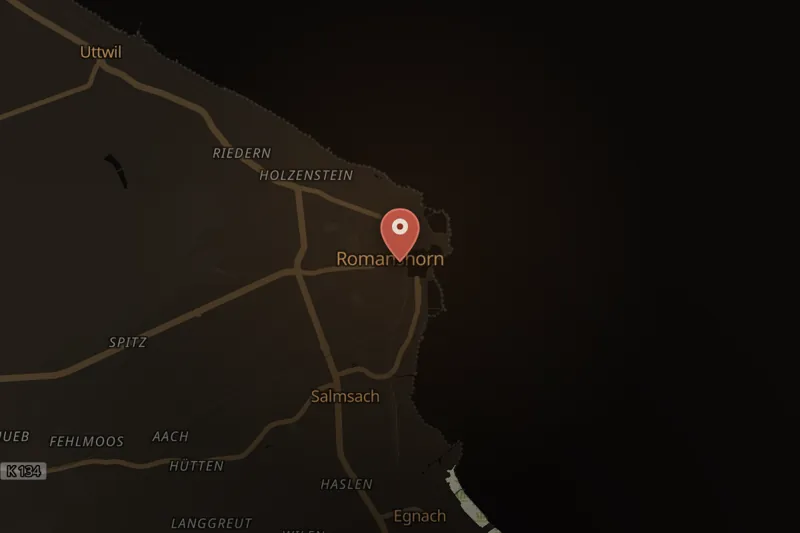
On the evening of August 30, 1912, Hermann Schwarz, a 25-year-old resident of Romanshorn, Switzerland, recently discharged from military service, opened fire on people in the street from a second-story window of his apartment. Schwarz had been sent home from a military exercise days earlier after a battalion physician found him mentally unfit for duty, but he was permitted to keep his service rifle and revolver. Angered by his dismissal, he reportedly threatened local officials and, on the day of the shooting, purchased 80 additional rounds of ammunition before resisting arrest by two police officers at his home.
During the shooting and the siege that followed, Schwarz killed Anton Fritsch, a butcher's journeyman who had been called to assist police in breaking into his room, then continued firing on people gathering outside, including bystanders, a police officer, and armed citizens who converged on the building. Among those killed were railway employee Franz Xaver Weber, 15-year-old Biagio Pedrollo, typesetter Rudolf Thommen, and innkeeper Friedrich Keller. Several others, including police officer Stäheli and letter carrier Hugelshofer, were wounded. In total, Schwarz shot twelve men during the initial attack and siege, six of them fatally, before escaping into a nearby forest at around 9:30 p.m., having fired more than 100 shots.
Police and armed townspeople conducted an extensive overnight and following-day search, using bloodhounds and combing a forest area near a shooting range. During the search on August 31, Schwarz killed another person, a firefighter who had been stationed near his hiding place, before being located again later that day on a nearby meadow. Police shot and wounded him, striking his arm and leg and grazing his neck, and he was taken into custody that evening. A crowd of about 1,000 people reportedly gathered and threatened to lynch him as he was brought to the police building in Romanshorn.
An additional victim, Tommaso Dal Farra, 68, died of his injuries on September 1, 1912. In the following months, Schwarz was examined by multiple psychiatrists, who diagnosed him with a mental illness described as prodromal schizophrenia, including auditory hallucinations and paranoia; his condition reportedly worsened into psychosis while institutionalized. On February 20, 1913, a court found him not guilty by reason of insanity and ordered his lifelong institutionalization at the asylum in Münsterlingen. Some acquaintances of Schwarz publicly doubted the insanity finding, suggesting instead that he had been influenced by pulp fiction.
The Carnegie Hero Fund later awarded the Carnegie Medal of Honor to several individuals for their roles in apprehending the gunman and assisting the wounded, and made a payment of 2,000 francs toward a fund established to aid victims and their families.

 SOLVEDListen