Skip to content
Casepin

Solved case · 1933

Rotter kidnapping

Also known as Rotter-affair · Rotter-Entführung

SOLVEDCONVICTED
Updated
Updated Jul 7, 2026
Landesarchiv Berlin A Rep 358-02 108586 3546 Rotter Bad RagazLandesarchiv Berlin A Rep 358-02 108586 3546 Rotter Bad RagazCredit: Unknown, Landesarchiv Berlin, A Rep. 358-02 Nr. 108586 Foto 3546Public domainSource

The short answer

Rotter kidnapping in brief

In April 1933, Liechtenstein Nazi sympathizers and German collaborators attempted to kidnap Jewish theatre directors Fritz and Alfred Rotter to forcibly return them to Nazi Germany; Alfred Rotter and his wife Gertrud died falling into a ravine while fleeing, and Fritz Rotter escaped with injuries.

Key facts

Year
1933
Place
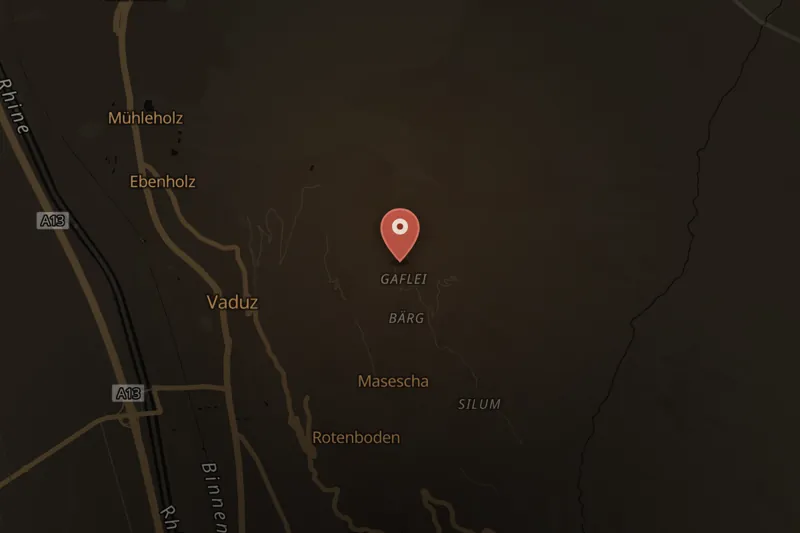
Gaflei, Liechtenstein
Status
SOLVEDSolved
Victims
Julie Wolff, Fritz Rotter, Gertrud Rotter and Alfred Rotter
Outcome
Convicted: Rudolf Schädler, Peter Rheinbeger, Franz Roeckle and Eugen Frommelt

The coverage index

Where to watch & listen

No one's coverage is attached to this file yet.

Know great coverage of this case?

A documentary, a podcast episode, a careful long-form video. Suggest it and an editor will review it before it appears here.

Suggest coverage for Rotter kidnapping

The case file

What happened

Background

Fritz and Alfred Rotter were German film directors and theatre managers of Jewish background who owned multiple successful theatres in Berlin during the Weimar Republic era. By 1933, due to rising Nazi persecution of Jewish people, they were forced to declare bankruptcy and emigrate to Liechtenstein, where they had been naturalized in 1931 as part of a wider government initiative. German press outlets falsely accused the Rotters of faking their bankruptcy and hiding money abroad, fueling public demands for their extradition back to Nazi Germany. Four Liechtensteiner Nazis — Rudolf Schädler, Franz Roeckle, Peter Rheinbeger, and Eugen Frommelt — used these press demands as justification to plan a kidnapping intended to coincide with the formation of an organized Nazi Party in Liechtenstein.

The Kidnapping Attempt

On 5 April 1933, Fritz and Alfred Rotter, Alfred's wife Gertrud Rotter, and Fritz's domestic partner Julie Wolff were persuaded by Schädler to stay at a health resort in Gaflei, which he managed. There, four men and five additional German nationals attempted to force the group into cars. The victims fought back and fled on foot. Alfred and Gertrud Rotter fell into a nearby ravine and died while escaping. Fritz Rotter was tricked into entering a car under false pretenses of safety, but escaped by jumping out, breaking his shoulder. He reunited with the injured Julie Wolff and reached safety, alerting the Liechtenstein government.

Trials and Aftermath

Several men involved were arrested in Liechtenstein or extradited after fleeing to Austria. In June 1933, trials proceeded, though the deaths of Alfred and Gertrud Rotter and the political motives behind the kidnapping were deliberately downplayed to avoid further German press attacks. Fritz Rotter's lawyer, Wladimir Rosenbaum, was barred from presenting a plea criticizing Nazi violence. Approximately 700 signatures were gathered demanding pardons for the German participants. Schädler received a one-year sentence; Roeckle, Rheinbeger, and Frommelt received four months each; four German participants were separately sentenced to three months in Konstanz. Diplomatic negotiations between Liechtenstein, Germany, and Switzerland later led to the early release of Schädler and Rheinbeger in exchange for an end to German press attacks against Liechtenstein.

The incident delayed formal organization of a Nazi Party in Liechtenstein until 1938. Fritz Rotter later lived in exile in France, with Rosenbaum's assistance, until his death in 1939. Commemorative efforts in later decades included a 2002 plaque at the site of the deaths and 2022 Stolpersteine placed in Vaduz honoring Alfred and Gertrud Rotter.

10 dated entries · 1931–2022

Timeline

  1. Fritz and Alfred Rotter are naturalized as Liechtenstein citizens.

  2. The Rotters are forced to declare bankruptcy amid Nazi-era persecution and emigrate to Liechtenstein.

  3. Kidnapping attempt occurs at a health resort in Gaflei; Alfred and Gertrud Rotter die falling into a ravine while fleeing; Fritz Rotter and Julie Wolff are injured but escape.

  4. Liechtenstein government sends a diplomatic protest to Nazi Germany over the incident.

  5. Trial of the men involved in the kidnapping begins in Liechtenstein.

  6. A conference is held in Berlin between German and Swiss representatives, with Liechtenstein represented by Josef Hoop, resulting in an agreement to release two convicted men early in exchange for an end to German press attacks.

  7. Schädler and Rheinbeger are released from prison early.

  8. Fritz Rotter dies in exile in France.

  9. A commemorative plaque is installed at the site where Alfred and Gertrud Rotter died.

  10. Two Stolpersteine are placed in Vaduz to commemorate Alfred and Gertrud Rotter.

8 named in this file

People

Victims first. Every legal label is set from public records and court outcomes, not from the prose.

  • Alfred Rotter

    VICTIM

    German theatre director and manager of Jewish background; died falling into a ravine on 5 April 1933 while fleeing a kidnapping attempt.[3]

  • Fritz Rotter

    VICTIM

    German theatre director of Jewish background; survived the kidnapping attempt with a broken shoulder.[3]

  • Gertrud Rotter

    VICTIM

    Wife of Alfred Rotter; died falling into a ravine on 5 April 1933 while fleeing a kidnapping attempt.[3]

  • Julie Wolff

    VICTIM

    Fritz Rotter's domestic partner; injured during the kidnapping attempt but escaped to safety.[3]

  • Eugen Frommelt

    CONVICTED

    Sentenced to four months in prison for involvement in the kidnapping attempt.[3]

  • Franz Roeckle

    CONVICTED

    Sentenced to four months in prison for involvement in the kidnapping attempt.[3]

  • Peter Rheinbeger

    CONVICTED

    Sentenced to four months in prison for involvement in the kidnapping attempt; later released early in November 1933.[3]

  • Rudolf Schädler

    CONVICTED

    Sentenced to one year in prison for organizing the kidnapping attempt; later released early in November 1933.[3]

From the record

Quick answers

Who were convicted?
Rudolf Schädler: Sentenced to one year in prison for organizing the kidnapping attempt; later released early in November 1933. Peter Rheinbeger: Sentenced to four months in prison for involvement in the kidnapping attempt; later released early in November 1933. Franz Roeckle: Sentenced to four months in prison for involvement in the kidnapping attempt. Eugen Frommelt: Sentenced to four months in prison for involvement in the kidnapping attempt.

3 cited

Sources

Coverage is not a source: every fact in this file rests on the records below.

  • 2 Press
  • 1 Encyclopedic
  1. Nazi Group Formed in Lichtenstein

    PressThe New York TimesAccessed Jul 7, 2026

  2. Rotter-Entführung

    Presshistorisches-lexikon.liAccessed Jul 7, 2026

  3. Rotter kidnapping

    EncyclopedicWikipediaAccessed Jul 7, 2026

Trust

Record history

First published
Jul 7, 2026
Last verified against sources
Jul 7, 2026
Corrections
None

Are you family of someone named in this file? Corrections and removal requests from victims’ families are prioritized.