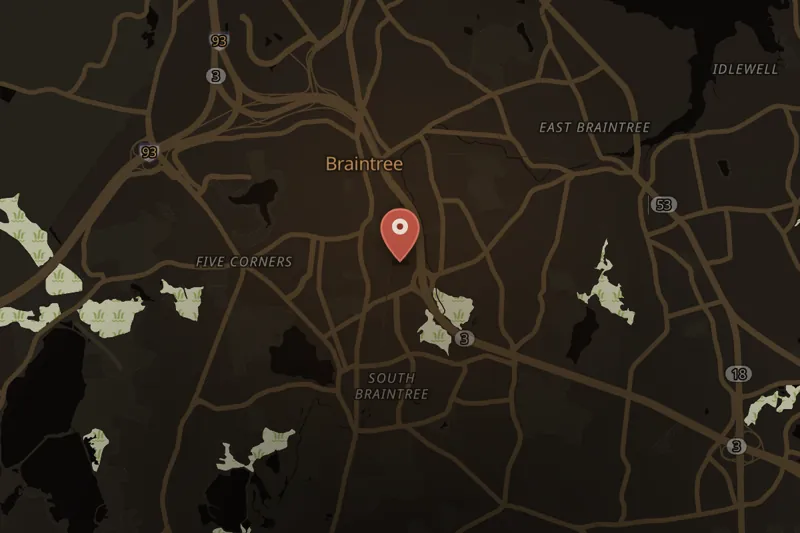
On April 15, 1920, two men, security guard Alessandro Berardelli and paymaster Frederick Parmenter, were shot and killed during an armed robbery of the Slater and Morrill Shoe Company payroll in Braintree, Massachusetts. Berardelli was shot four times as he reached for his revolver, which was never recovered from the scene; Parmenter, unarmed, was shot twice, fatally in the back while fleeing. The robbers escaped with the payroll boxes in a stolen Buick.
Investigators, already probing an earlier unsuccessful December 1919 payroll robbery attempt in Bridgewater, traced leads to Italian anarchists associated with Mario Buda. On May 5, 1920, police arrested Nicola Sacco and Bartolomeo Vanzetti, along with Buda and Riccardo Orciani, after they came to a garage linked to the investigation. Sacco and Vanzetti were found carrying loaded firearms and ammunition; both were charged with murder that day and indicted on September 14, 1920. Vanzetti was first tried and convicted in 1920 for the Bridgewater attempted robbery, receiving a 12-to-15-year sentence; a related murder count from that case was declared a mistrial after jurors were found to have tampered with evidence during deliberation.
Sacco and Vanzetti were tried together for the Braintree murders beginning May 31, 1921, in Dedham, Massachusetts, before Judge Webster Thayer, with Frederick Katzmann prosecuting. The prosecution presented ballistics testimony linking a bullet recovered from Berardelli's body to Sacco's pistol, eyewitness identifications placing the defendants near the crime scene and getaway car, and a cap allegedly belonging to Sacco found at the scene. The defense called alibi and rebuttal witnesses, challenged the ballistics conclusions, and put both defendants on the stand, where their testimony about anarchist activities and evading a feared deportation raid was used against them by the prosecution. On July 14, 1921 (after deliberation reported by Wikipedia as occurring on that date), the jury convicted both men of first-degree murder, and they were sentenced to death.
Multiple defense motions for a new trial, including ones based on a jury foreman's alleged prejudicial remarks, a prosecution ballistics expert's later equivocation, and a 1925 confession by Celestino Medeiros that implicated a different gang and absolved Sacco and Vanzetti, were all denied by Judge Thayer between 1924 and 1926. The Massachusetts Supreme Judicial Court unanimously upheld Thayer's procedural rulings on May 12, 1926, without reviewing the fairness of the trial as a whole.
The case drew international attention and protest, with demonstrations held across North America, Europe, Latin America, and elsewhere, and public appeals from figures including Harvard law professor Felix Frankfurter and author Anatole France. Massachusetts Governor Alvan T. Fuller appointed a three-member commission that, after interviews with the judge, lawyers, and witnesses, upheld the verdict. Sacco and Vanzetti were executed in the electric chair at Charlestown State Prison just after midnight on August 23, 1927. A 1961 ballistic re-examination suggested Sacco's pistol may have fired the fatal bullet, though later commentators questioned the reliability of that test given chain-of-custody concerns. On August 23, 1977, Governor Michael Dukakis proclaimed that the men had been unfairly tried and convicted, though the proclamation did not constitute a pardon.


 SOLVEDListen