Active case
Saint Valentine's Day Massacre

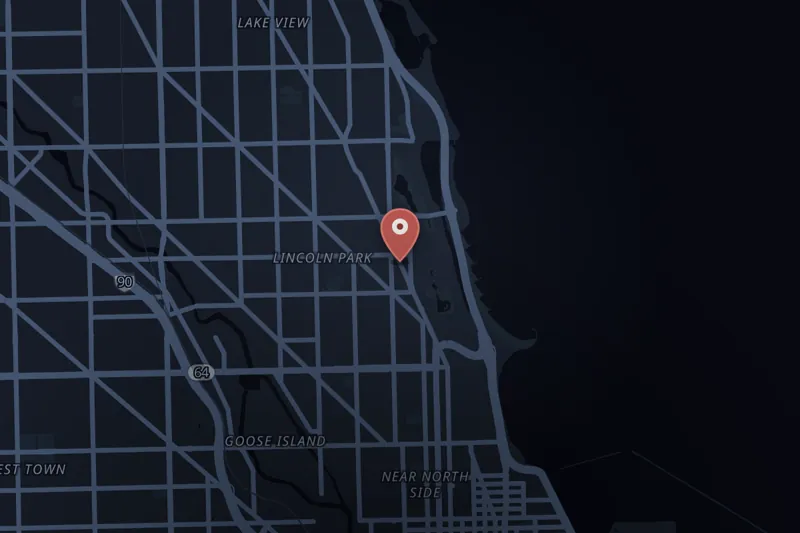
On the morning of February 14, 1929, seven men associated with Chicago's North Side Gang were gathered at a garage at 2122 North Clark Street in the Lincoln Park neighborhood. Between four and six attackers, two dressed as police officers, entered the garage, lined the men against a wall, and shot them with Thompson submachine guns and a sawed-off shotgun. Seventy rounds were fired from the machine guns and one from the shotgun. Six men died at the scene; a seventh, Frank Gusenberg, survived long enough to be questioned by police but refused to identify his attackers before dying.
The victims were Albert Kachellek (alias James Clark), Adam Heyer, Albert Weinshank, Frank Gusenberg, Peter Gusenberg, and two non-gang associates, Reinhardt H. Schwimmer and John May. The killings occurred amid ongoing violent competition for control of Chicago's Prohibition-era bootlegging trade between the North Side Gang, led by George "Bugs" Moran, and the Chicago Outfit, led by Al Capone. Police and historians have speculated the attack was intended to kill Moran himself, who had not yet arrived at the garage when the shooting began.
Multiple bodies investigated the massacre independently, including Chicago police, the Illinois Attorney General's office, and the Cook County coroner's office under Herman Bundesen. Forensic ballistics pioneer Calvin Goddard was engaged to examine shell casings and weapons. Two vehicles believed linked to the crime were later found destroyed. Several men, including Jack McGurn, John Scalise, and Albert Anselmi, were arrested and some charged, but the charges against them were dropped for lack of evidence. The coroner's inquest was closed in 1931 with the conclusion that "the killings were by persons unknown."
In 1935, Byron Bolton, previously identified as a possible lookout at the scene, was arrested on unrelated charges and told the FBI that the shooters were Fred Goetz, Gus Winkler, Fred Burke, Ray Nugent, and Bob Carey, acting on Capone's orders to kill Moran. This account was corroborated by the memoirs of Winkler's widow, Georgette. Some historians have disputed Bolton's account, proposing alternative suspects including "Three Fingered Jack" White and Tony Accardo. Fred Burke was later linked to weapons used in the massacre after a 1929 raid on his home following the killing of a Michigan police officer; he was convicted of that officer's murder and sentenced to life imprisonment, dying in prison in 1940. No one was ever convicted specifically for the Valentine's Day killings.
The massacre contributed to public shock over Prohibition-era gang violence and, along with other Thompson submachine gun-related crimes, influenced the passage of the National Firearms Act of 1934. The garage was demolished in 1967.

Key facts
- Victims
- John May, Albert Kachellek, Adam Heyer, Frank Gusenberg, Albert Weinshank, Peter Gusenberg, Reinhardt H. Schwimmer
- Date
- 1929
- Location
- 2122 North Clark Street, Lincoln Park, Chicago, Illinois
- Case status
- unsolved
Case timeline
1929-02-14
Seven men are shot dead at a garage on North Clark Street in Chicago's Lincoln Park neighborhood.
1929-02-22
Police find a burnt, partially dismantled Cadillac sedan believed used in the attack.
1929-02-27
A second vehicle, believed to be a plant, is found destroyed in Maywood, Illinois.
1929-03-12
A federal grand jury convenes in Chicago to hear evidence on bootlegging; Al Capone is subpoenaed.
1929-05-08
The bodies of John Scalise, Albert Anselmi, and Joe Giunta are found after their killing by Capone.
1929-12
Fred Burke shoots and kills a Michigan police officer; a subsequent raid on his home turns up weapons later linked to the massacre.
1931-03
Fred Burke is captured.
1931-11-17
Coroner Herman Bundesen closes his inquest, concluding the killings were by 'persons unknown.'
1935-01
Byron Bolton is arrested on unrelated charges and confesses to being a lookout, naming alleged shooters to the FBI.
1940
Fred Burke dies in prison.
Best coverage
No approved coverage links are attached yet.
People
John May
VICTIMOccasional mechanic at the garage, killed in the massacre
Jack McGurn
CHARGEDChicago Outfit gunman charged in connection with the murders; charges later dropped for lack of evidence
Albert Kachellek
VICTIMNorth Side Gang member (alias James Clark), killed in the massacre
Fred Burke
CONVICTEDConvicted and sentenced to life imprisonment for the murder of a Michigan police officer; weapons linked to him were forensically tied to the massacre, but he was never charged with the massacre itself
Adam Heyer
VICTIMNorth Side Gang bookkeeper and business manager, killed in the massacre
John Scalise
CHARGEDChicago Outfit member charged in connection with the murders; charges later dropped for lack of evidence
Albert Anselmi
CHARGEDChicago Outfit member charged in connection with the murders; charges later dropped for lack of evidence
Frank Gusenberg
VICTIMNorth Side Gang enforcer, killed in the massacre after surviving briefly
Albert Weinshank
VICTIMManaged cleaning and dyeing operations for the North Side Gang, killed in the massacre
Peter Gusenberg
VICTIMNorth Side Gang enforcer, killed in the massacre
Reinhardt H. Schwimmer
VICTIMFormer optician and gambler present at the garage, killed in the massacre
Roles reflect public records and court outcomes at the time of writing — supporting citations are on file under Sources.
Archival records

archival location
The Saint Valentine's Day Massacre scene, 1929
Credit: Public domain · Source
Places
Common questions
- What happened to the victim?
- Seven members and associates of Chicago's North Side Gang were shot dead in a Lincoln Park garage on February 14, 1929, in an attack widely attributed to the rivalry between the North Side Gang and Al Capone's Chicago Outfit; despite multiple investigations, no one was ever charged with the killings.
- Where did the massacre happen?
- 2122 North Clark Street, Lincoln Park, Chicago, Illinois.
- Who was convicted?
- Fred Burke (Convicted and sentenced to life imprisonment for the murder of a Michigan police officer; weapons linked to him were forensically tied to the massacre, but he was never charged with the massacre itself).
- What is the current status of the case?
- Status: unsolved.
Sources
- OFFICIAL / AGENCYAl CaponeFederal Bureau of Investigation · 2026-07-11
- ENCYCLOPEDICSaint Valentine's Day MassacreWikipedia · 2026-07-10