Background
Ii Naosuke served as Tairō (Chief Minister) of the Tokugawa shogunate during the Bakumatsu period and was a leading proponent of reopening Japan to foreign trade after more than two centuries of seclusion. He signed the 1858 Treaty of Amity and Commerce with the United States, negotiated by U.S. Consul Townsend Harris, in defiance of Emperor Kōmei's instructions not to do so. This act was widely seen as a betrayal of the emperor by the shogunate. From 1859, the ports of Nagasaki, Hakodate, and Yokohama were opened to foreign traders under the resulting treaties, which also granted foreigners extraterritoriality.
Ii further inflamed opposition by reinforcing shogunal authority over regional daimyōs through the Ansei Purge and by forcing the retirement of political opponents connected to the Mito, Hizen, Owari, Tosa, Satsuma, and Uwajima domains during a dispute over the shogunal succession. These actions generated strong anti-shogunate sentiment, particularly among adherents of the Mito school.
The Assassination
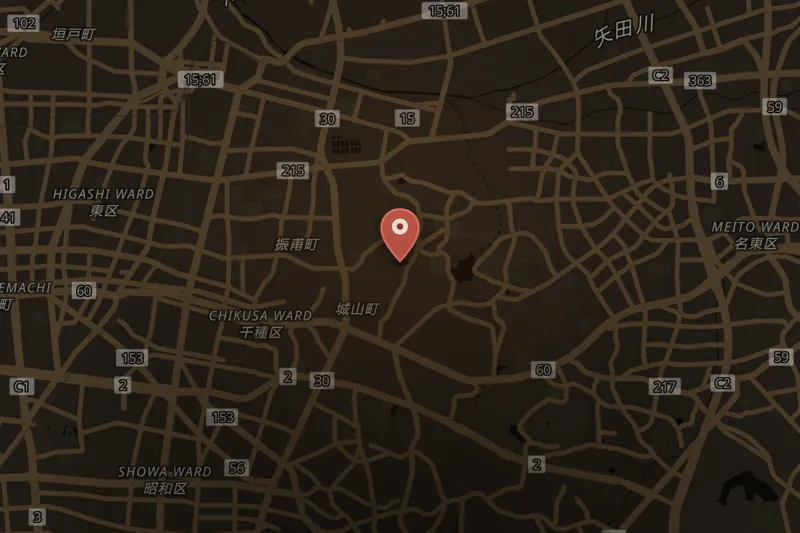
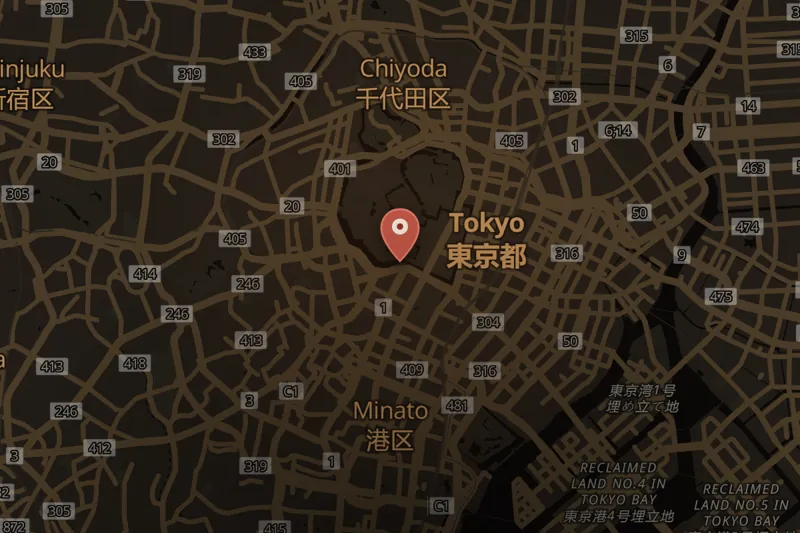
On March 24, 1860 — the day of the Double Third Festival, when daimyōs stationed in Edo were to enter Edo Castle for meetings — Ii's entourage of roughly 60 samurai guards and palanquin carriers was ambushed just outside Sakurada Gate. Despite prior warnings about his safety, Ii had refused to retire, reportedly stating that his own safety was nothing compared to the danger threatening the country's future.
Seventeen rōnin from Mito Domain, joined by Arimura Jisaemon of Satsuma Domain, carried out the attack. While a frontal assault drew the guards' attention, one assassin fired into Ii's palanquin using a Japanese-made copy of a Colt 1851 Navy Revolver. Arimura then pulled the wounded Ii from the palanquin, decapitated him, and committed seppuku. The conspirators carried a written manifesto justifying the killing as punishment for opening Japan to foreign commerce and religion.
News of the assassination traveled by ship to San Francisco and by Pony Express across the American West; The New York Times reported on June 12, 1860 that Japan's first diplomatic mission to the West had received word of the event. Shogunate officials concealed Ii's death for roughly a month, claiming he was merely recuperating from injury, before officially declaring the position of Tairō vacant in April.
Aftermath for the Guards
Of the 60 guards, four died in combat and four more died later from wounds; these were permitted to pass their hereditary samurai status to heirs. Surviving guards were punished for failing to protect Ii: following a two-year investigation concluded in 1862, seriously wounded guards were exiled with reduced stipends, lightly wounded guards were ordered to commit seppuku, and unharmed guards were beheaded and stripped of samurai status.
Consequences
The assassination weakened the shogunate's prestige and pushed it toward a compromise policy of kōbu gattai (union of emperor and shogun). It also fueled the broader Sonnō Jōi movement and a subsequent decade of political violence in Japan, contributing to the eventual fall of the Tokugawa shogunate in the Boshin War and the 1868 Meiji Restoration.

 Credit: Wikimedia CommonsPublic domainSourceSOLVEDListen