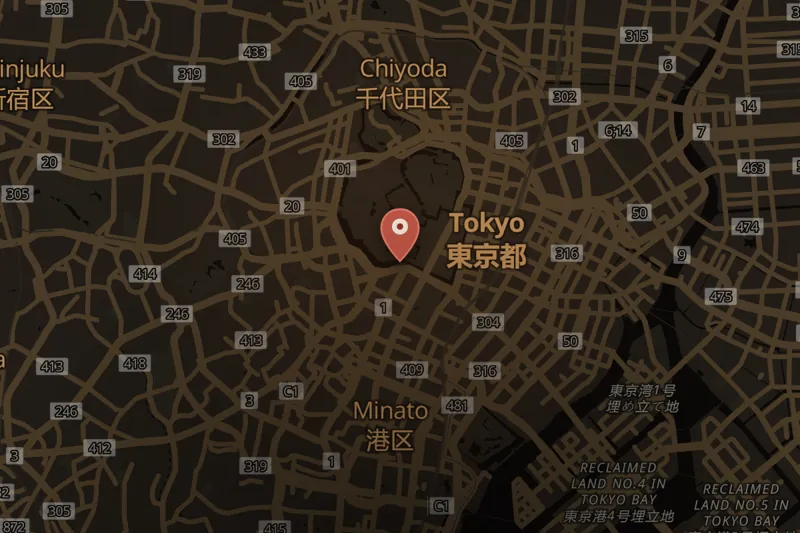
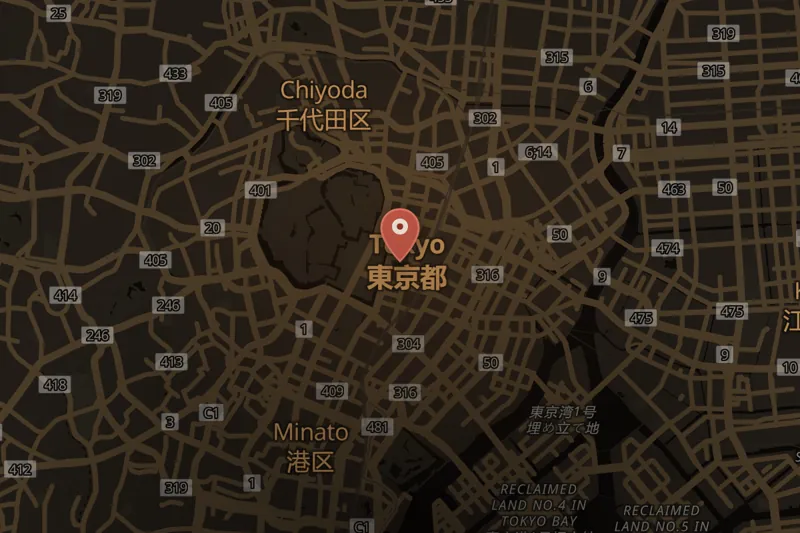
On 30 August 1974, a bombing occurred at the headquarters of Mitsubishi Heavy Industries in the Marunouchi district of Tokyo, Japan. The attack was carried out by the "Wolf" cell of the East Asia Anti-Japan Armed Front (EAAJAF), a far-left anti-Japanese organization founded in 1972 that held anarchist-influenced, anti-imperialist views condemning Japan's role in the Pacific War. The group targeted Mitsubishi Heavy Industries because the company manufactured military weapons that were used by the United States against North Vietnam during the Vietnam War.
The bombing followed two other EAAJAF actions earlier in August 1974: an aborted plot to bomb a bridge used by Emperor Hirohito's royal train, and an attempted assassination of South Korean President Park Chung-hee by a militant with ties to the group. These events reportedly encouraged the Wolf cell to escalate to lethal violence.
Members of the Wolf cell planted two home-made time bombs, containing a combined 45 kilograms of explosives, in a flower pot at the entrance of Mitsubishi Heavy Industries' head office block. The group telephoned a warning to people inside the building eight minutes before the explosion, and a second warning four minutes later, but both were dismissed and the building was not evacuated. One bomb detonated at 12:45 p.m. local time during the lunch hour; the second bomb failed to explode. Five people, including two Mitsubishi employees, were killed immediately, and three more died later in hospital, bringing the death toll to eight. An estimated 376 people were injured, with about 330 taken to hospital, including 116 Mitsubishi employees. The blast shattered windows up to the eleventh floor of the building and in nearby structures, including the Mitsubishi Electric headquarters, and was audible more than five kilometers away in Shinjuku.
The bombing drew strong condemnation from media outlets, with one editor describing it as "a most atrocious challenge to our society," while The Japan Times called for public outrage against the perpetrators. Prime Minister Kakuei Tanaka and leftist party leaders did not publicly comment on the attack. Public unease in Tokyo grew after two further bombings by the group later in 1974, with no arrests made at the time.
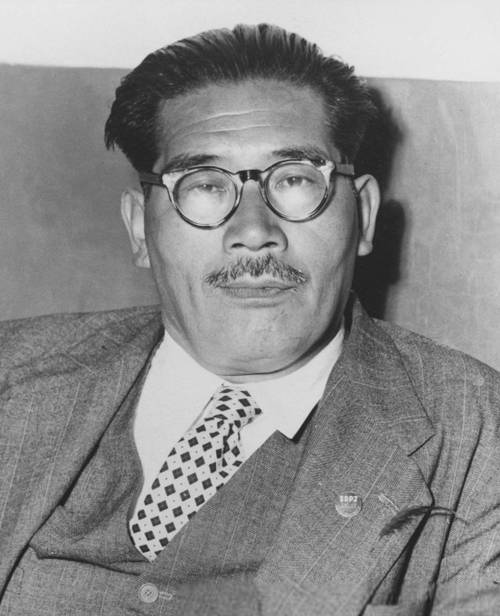
Seven EAAJAF members were arrested on 19 May 1975. In 1987, Masashi Daidoji, leader of the Wolf cell, and Toshiaki Masunaga were convicted and sentenced to death. Daidoji called the bombing "a mistake" during court proceedings and later, in May 1999, issued an apology to victims from death row. He died of multiple myeloma in 2017 while in the Tokyo Detention Center. A separate member of the group, wanted over a 1975 bombing rather than this one, evaded police for decades under a pseudonym and revealed his identity in January 2024, shortly before his death. The 1974 bombing remained the deadliest terrorist attack in Japan until the 1995 Tokyo subway sarin attack.


 Credit: Rs1421CC BY-SA 3.0SourceSOLVEDListen