Casepin
Back to cases

Case file

Assassination of Inejirō Asanuma

SOLVED1960Hibiya Public Hall, Tokyo, Japan3 SOURCESUPDATED JUL 2026

Documents violence · suicide — written to inform, not to shock.

Illustrative

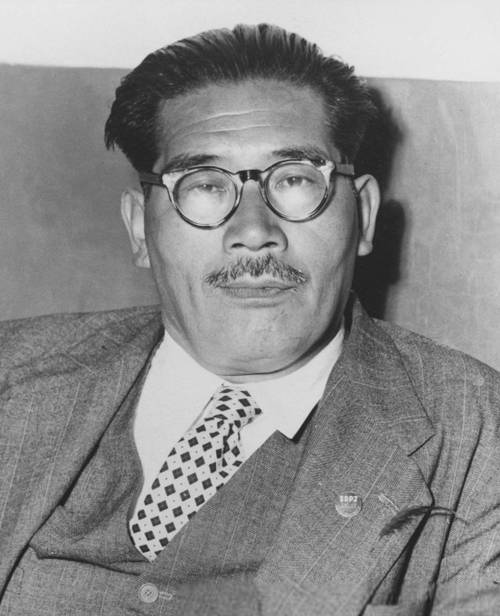
Inejirō Asanuma, chairman of the Japan Socialist Party (JSP), was assassinated on 12 October 1960 at Hibiya Public Hall in Tokyo. He was participating in a televised three-party election debate broadcast by NHK, alongside Suehiro Nishio of the Democratic Socialist Party and Prime Minister Hayato Ikeda of the Liberal Democratic Party, before an audience of roughly 2,500 people. As Asanuma spoke, 17-year-old Otoya Yamaguchi, a member of Bin Akao's ultranationalist Greater Japan Patriotic Party, rushed onto the stage and stabbed him with a 33-centimetre wakizashi stolen from his father, puncturing Asanuma's aorta. Asanuma died within minutes, before reaching the hospital. Yamaguchi was subdued by bystanders and arrested at the scene.

Background circumstances included Asanuma's 1959 visit to Communist China, where he called the United States "the shared enemy of China and Japan," a statement that drew backlash from conservative and right-wing groups. Asanuma had declined bodyguard protection despite the controversy. He was also a prominent leader of the 1960 Anpo protests against revision of the U.S.-Japan Security Treaty, which further angered right-wing groups including Akao's party, which Yamaguchi had joined at age 16.

Yamaguchi, held awaiting trial, gave extensive testimony to police and consistently maintained he had acted alone. On 2 November 1960, he wrote nationalist slogans on his cell wall using toothpaste and died by suicide, hanging himself with bedsheets. The following day, Asanuma's widow, Kyōko Asanuma, held a press conference expressing pity for Yamaguchi rather than hatred, while condemning the ideological influences that had radicalized him.

The assassination had significant political and cultural consequences in Japan. Emperor Hirohito sent a sacrificial offering to Asanuma's family and addressed the Diet on 18 October 1960 appealing for public order. Prime Minister Ikeda delivered an unusual and widely noted memorial speech praising Asanuma before the Diet. The event weakened the JSP's cohesion following Asanuma's death, contributing to the party's later decline. A photograph of the stabbing by Mainichi Shimbun photographer Yasushi Nagao won the 1960 World Press Photo of the Year and the 1961 Pulitzer Prize. The assassination also inspired copycat violence, including the 1961 Shimanaka incident, and Yamaguchi became a lasting figure of reverence among some Japanese far-right groups, which continue to hold annual memorial gatherings on the anniversary of his suicide. Asanuma is separately commemorated annually on 12 October, designated Asanuma Memorial Day by the JSP and successor groups.

This summary is based on the English Wikipedia article on the assassination, which is the primary detailed source used here; a contemporaneous New York Times report on Emperor Hirohito's Diet address and an aozora.gr.jp text are cited as corroborating references per the case record, though their full text was not independently reviewed for this dossier.

Key facts

Victims
Inejirō Asanuma
Date
1960
Location
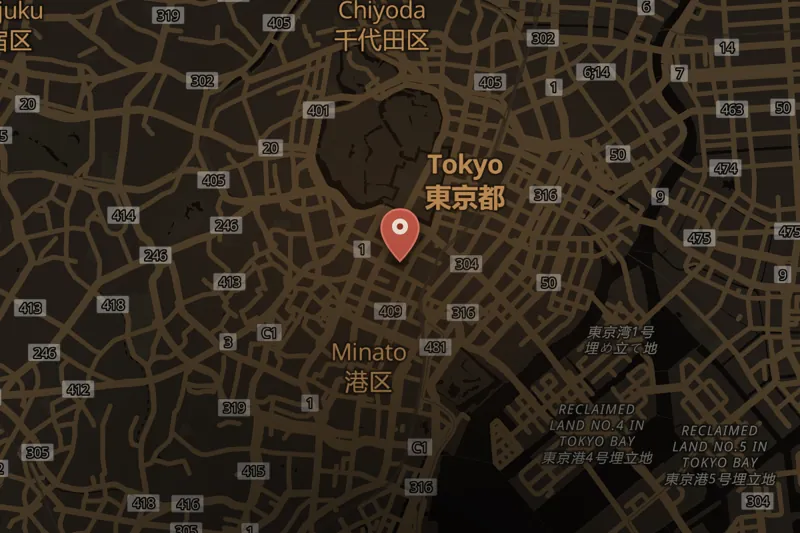
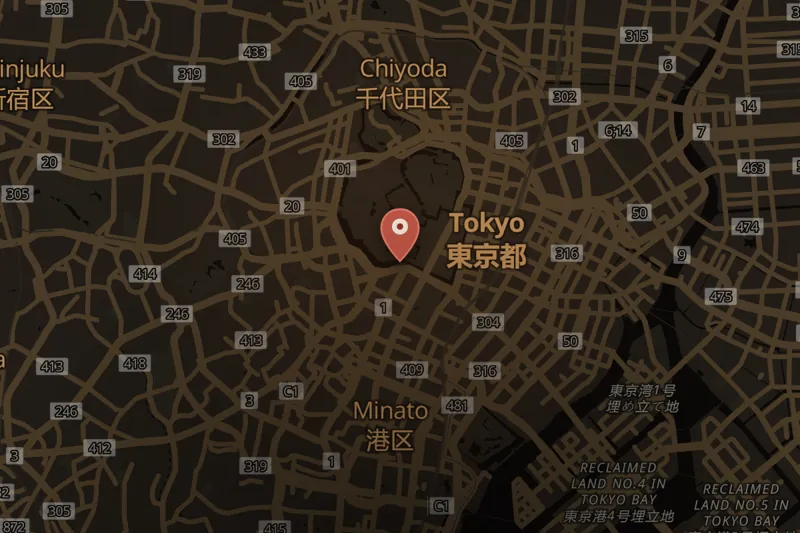
Hibiya Public Hall, Tokyo, Japan
Case status
solved

Case timeline

  1. 1959

    Asanuma visited Communist China and, in a speech in Beijing, called the United States "the shared enemy of China and Japan," prompting backlash from conservatives and right-wing groups in Japan.

  2. 1960-06-15

    Anti-Security Treaty protesters stormed the National Diet compound in the June 15th incident, leading to violent clashes with police and counter-protesters.

  3. 1960-10-12

    During a televised election debate at Hibiya Public Hall in Tokyo, 17-year-old Otoya Yamaguchi fatally stabbed Inejirō Asanuma with a wakizashi; Asanuma died within minutes.

  4. 1960-10-17

    An imperial envoy delivered a sacrificial offering from Emperor Hirohito to Asanuma's family; Kyōko Asanuma saw footage of the assassination for the first time on the noon news broadcast.

  5. 1960-10-18

    Emperor Hirohito addressed a special session of the Diet condemning the assassination and appealing for public order; Prime Minister Hayato Ikeda delivered a memorial speech praising Asanuma.

  6. 1960-11-02

    Otoya Yamaguchi wrote nationalist slogans on his cell wall using toothpaste and died by suicide, hanging himself with bedsheets.

  7. 1960-11-03

    Kyōko Asanuma held a press conference responding to Yamaguchi's suicide, expressing pity for him while condemning the influences that radicalized him.

  8. 1960-12-15

    Far-right groups gathered at Hibiya Public Hall to hold a "National Memorial Service for Our Martyred Brother Yamaguchi Otoya."

  9. 1961-02-01

    The Shimanaka incident, a copycat attack by a 17-year-old member of the Greater Japan Patriotic Party against the president of Chūō Kōron magazine, occurred.

Best coverage

No approved coverage links are attached yet.

People

  • Otoya Yamaguchi

    CHARGED

    17-year-old member of the Greater Japan Patriotic Party who stabbed and killed Asanuma; arrested and held awaiting trial, he died by suicide in custody on 2 November 1960 before any conviction.

    citation on file

  • Inejirō Asanuma

    VICTIM

    Chairman of the Japan Socialist Party, fatally stabbed during a televised debate on 12 October 1960.

    citation on file

Places

Common questions

What happened to the victim?
On 12 October 1960, Japan Socialist Party chairman Inejirō Asanuma was fatally stabbed with a wakizashi by 17-year-old ultranationalist Otoya Yamaguchi during a televised political debate in Tokyo. Yamaguchi was arrested, confessed, and died by suicide in custody on 2 November 1960.
Where did the crime happen?
Hibiya Public Hall, Tokyo, Japan.
What is the current status of the case?
Status: solved. Last verified July 2026.

Sources

  1. Assassination of Inejirō Asanumawikipedia · Wikipedia · 2026-07-07
  2. Hirohito Appeals for Public Order: Emperor in Speech to Diet Urges...news · The New York Times · 2026-07-07
  3. Contemporaneous coverage — aozora.gr.jpnews · aozora.gr.jp · 2026-07-07

Last verified JUL 2026