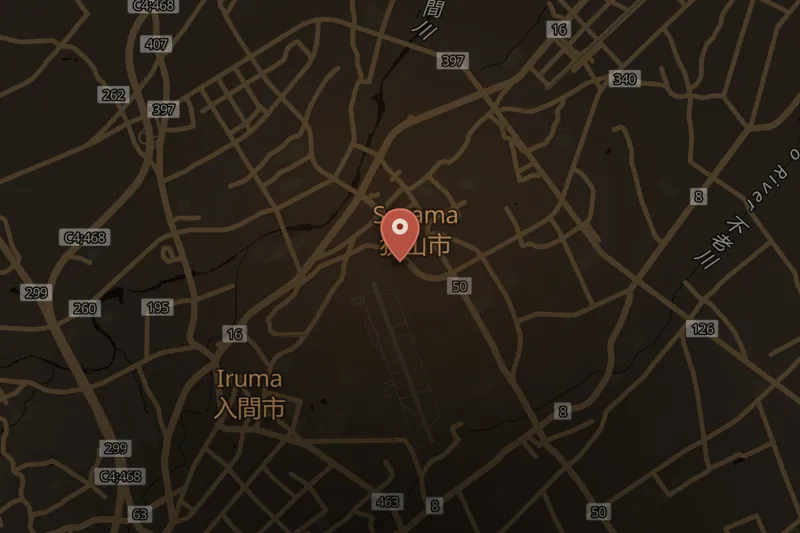
On May 1, 1963, 16-year-old Yoshie Nakata disappeared while walking home from school in Sayama, Saitama, Japan. A ransom note was delivered to her family that night, demanding ¥200,000 be brought to a location near her home. Her sister attempted to deliver fake money under police surveillance, but the man who approached her grew suspicious and fled before police could apprehend him. On May 4, Nakata's body was found buried on a farm; police determined she had been raped and murdered. Media coverage criticized police for failing to catch the suspect during the ransom exchange, drawing comparisons to a separate kidnapping case that had occurred a month earlier.
Police investigation focused on employees of the nearby Ishida Pig Farm, where the owner's family and most employees were burakumin, a Japanese minority group that has historically faced discrimination. Kazuo Ishikawa, a 24-year-old employee, was arrested on an unrelated charge and, after weeks of isolation, confessed on June 20, 1963, to the kidnapping and murder. Ishikawa and his supporters later stated that the confession was coerced through threats and isolation, and that he was illiterate and unfamiliar with legal rights, circumstances they say police exploited. Ishikawa was convicted of aggravated murder, rape, and kidnapping and sentenced to death; his sentence was later commuted to life imprisonment with the possibility of parole.
Supporters and defense teams have raised extensive challenges to the conviction, including questions about handwriting analysis of the ransom note, the circumstances under which a pen belonging to Nakata was found in Ishikawa's home only after two prior extensive police searches failed to locate it, inconsistencies between Ishikawa's confession and forensic evidence (including absence of expected bruising, blood traces, and ankle marks), and the lack of any witness placing Ishikawa and Nakata together despite the confession describing them walking together in a busy area during a local festival. The case became entangled in a dispute between the Buraku Liberation League and the Japanese Communist Party over Ishikawa's legal representation, with his lawyer resigning in 1975 over political disagreements.
Ishikawa was released on parole in 1994 after 31 years of imprisonment. He continued to seek a retrial to clear his name, stating in 2002 that he wanted the "label of murderer" removed. He died on March 11, 2025, at age 86, while still pursuing a retrial. Human rights groups and lawyers have argued that Ishikawa's status as a burakumin influenced the courts' assumption of his guilt, framing the case as an example of institutional discrimination within the Japanese legal system.

Key facts
- Victims
- Yoshie Nakata
- Date
- 1963
- Location
- Sayama, Saitama, Japan
- Case status
- solved
Case timeline
1947-05
Yoshie Nakata is born.
1939-01-14
Kazuo Ishikawa is born.
1963-05-01
Yoshie Nakata goes missing on her way home from school; a ransom note is delivered to her family that night.
1963-05-02
Attempted ransom exchange occurs; the man who approaches Nakata's sister flees before police can apprehend him.
1963-05-04
Nakata's body is found buried in an alley on a farm.
1963-05-06
A man from the same neighborhood, who shared the suspected blood type, dies by suicide the day before his planned wedding.
1963-05-23
Kazuo Ishikawa is arrested on an unrelated charge; police conduct a first search of his residence.
1963-06-18
Police conduct a second search of Ishikawa's residence looking specifically for Nakata's bag, watch, and pen; nothing is found.
1963-06-20
Ishikawa confesses to the kidnapping and murder after weeks of isolation.
1969
The Buraku Liberation League takes up Ishikawa's case.
1975
Ishikawa's lawyer resigns, citing Ishikawa's anti-Communist sympathies.
1981
Full contents of a key witness's police sessions and location during the crime are released to the defense, 18 years after Ishikawa's trial.
1994
Ishikawa is paroled and released from prison.
2002
Ishikawa publicly states he wants the 'label of murderer' removed.
2025-03-11
Kazuo Ishikawa dies at age 86 while on parole, still seeking retrial.
Best coverage
No approved coverage links are attached yet.
People
Kazuo Ishikawa
CONVICTEDConvicted of aggravated murder, rape, and kidnapping; originally sentenced to death, later commuted to life imprisonment with parole; paroled in 1994; disputed his guilt and sought retrial until his death in 2025.
Yoshie Nakata
VICTIM16-year-old kidnapped, raped, and murdered on May 1, 1963.
Roles reflect public records and court outcomes at the time of writing — supporting citations are on file under Sources.
Places
Common questions
- What happened to the victim?
- Sixteen-year-old Yoshie Nakata was kidnapped, raped, and murdered in Sayama, Saitama, Japan in May 1963; Kazuo Ishikawa, a burakumin farm worker, was convicted and imprisoned for 31 years in a case that remains disputed and tied to allegations of caste-based discrimination in Japan's justice system.
- Where did the crime happen?
- Sayama, Saitama, Japan.
- Who was convicted?
- Kazuo Ishikawa (Convicted of aggravated murder, rape, and kidnapping; originally sentenced to death, later commuted to life imprisonment with parole; paroled in 1994; disputed his guilt and sought retrial until his death in 2025.).
- What is the current status of the case?
- Status: solved. Last verified July 2026.
Sources
- Sayama incidentwikipedia · Wikipedia · 2026-07-07
- Contemporaneous coverage — search.japantimes.co.jpnews · search.japantimes.co.jp · 2026-07-07
- Contemporaneous coverage — blhrri.orgnews · blhrri.org · 2026-07-07
Last verified JUL 2026